Balendra Shah defeats ex-Prime Minister Sharma Oli in Nepal's general election, marking a significant political shift
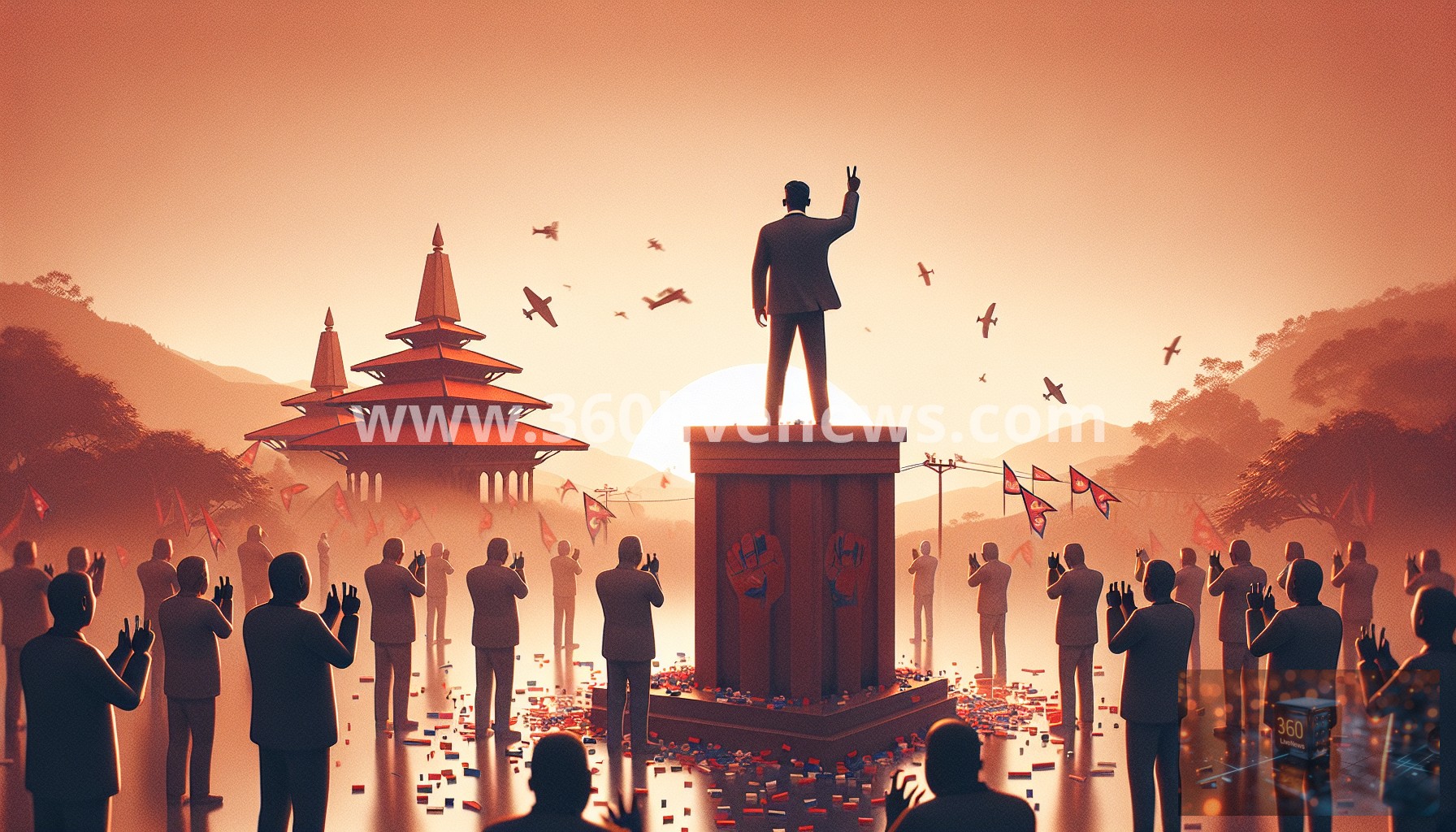
In a stunning political shift, amateur rapper and former mayor of Kathmandu, Balendra Shah, has unseated ex-Prime Minister Sharma Oli in Nepal's recent general election. Shah's victory, confirmed by the Nepalese Election Commission on Saturday, marks a significant moment in the country's political landscape, as he garnered 68,348 votes, decisively defeating Oli, who received 18,734 votes in their parliamentary race.
The election, which took place on Thursday, is particularly historic as it is the first since the violent youth-led protests that led to the downfall of the previous government in September. This election has been characterized by a confrontation between established political figures and a new wave of politicians appealing to younger voters, especially from Generation Z, who are increasingly vocal about their desire for change.
Balendra Shah is the presidential candidate of the Rastriya Swatantra Party (RSP), which has emerged as a significant force during this election cycle. He resigned from his position as Kathmandu’s mayor earlier this year to contest in a constituency that had long favored the ruling parties, particularly Oli's CPN-UML party. Shah’s victory signals a potential transformation in Nepal's political dynamics, which have for decades been dominated by a few major parties, including the Communist Party of Nepal.
The political atmosphere in Nepal has been a turbulent one, characterized by frequent changes in government. The last two decades have seen a "revolving door" of coalition governments, primarily involving three major political parties, two of which are communist. As such, Shah's rise can be seen as a response to the electorate's frustration with traditional political structures and a demand for fresh approaches to governance.
In earlier phases of the political turmoil, the youth-led protests galvanized public sentiment against corruption and ineffectiveness in governance, making Shah's message of change resonate deeply with voters. This wave of youth activism is reflected in the election results, as many of the electorate are now rallying behind candidates they believe can address their concerns and aspirations directly.
The implications of Shah’s victory extend beyond domestic politics; they also reflect broader regional trends of younger leadership challenging traditional political norms in South Asia. Countries such as India and Bangladesh are witnessing similar movements where younger leaders advocate for more progressive and inclusive policies, often contrasting against older political establishments.
The RSP’s ideology expresses a commitment to transparency, integrity, and a focus on beneficial policies for the youth. At the same time, Shah’s victory could also indicate a shift toward a more competitive two-party system in Nepal, moving away from decades of multi-party coalitions that have often been fraught with instability.
This election marks a pivotal moment not only for Shah and the RSP but also for the future trajectory of Nepal’s governance. Moving forward, how effectively Shah can implement his agenda will be crucial. He will face numerous challenges, including managing a divided parliament, meeting the expectations of a youth-driven base, and navigating relationships with entrenched political elites ready to resist change.
The official transition of power is yet to be ratified fully by the necessary parliamentary processes, but already, Shah's leadership is sparking discussions about potential reforms. Analysts are keen to observe how his administration might tackle pressing issues such as economic revitalization, infrastructure development, and enhancing capacity for youth engagement in Nepali politics.
In conclusion, Balendra Shah's electoral victory encapsulates a historical moment for Nepal, signifying a decline in support for traditional political parties and an increase in youthful ambition. As the country enters this new chapter, all eyes will be on how the new government addresses the profound aspirations of its electorate, particularly the young leaders who are no longer content to remain passive observers of their country's future.
#Nepal #Election #BalendraShah #GenZ #CPNUML #RSP #Politics #Protests #YouthLeadership #Democracy #SouthAsia #NepaleseElection
