Two Iranian vessels depart Chinese port carrying materials linked to rocketry amid escalating US-Iran tensions
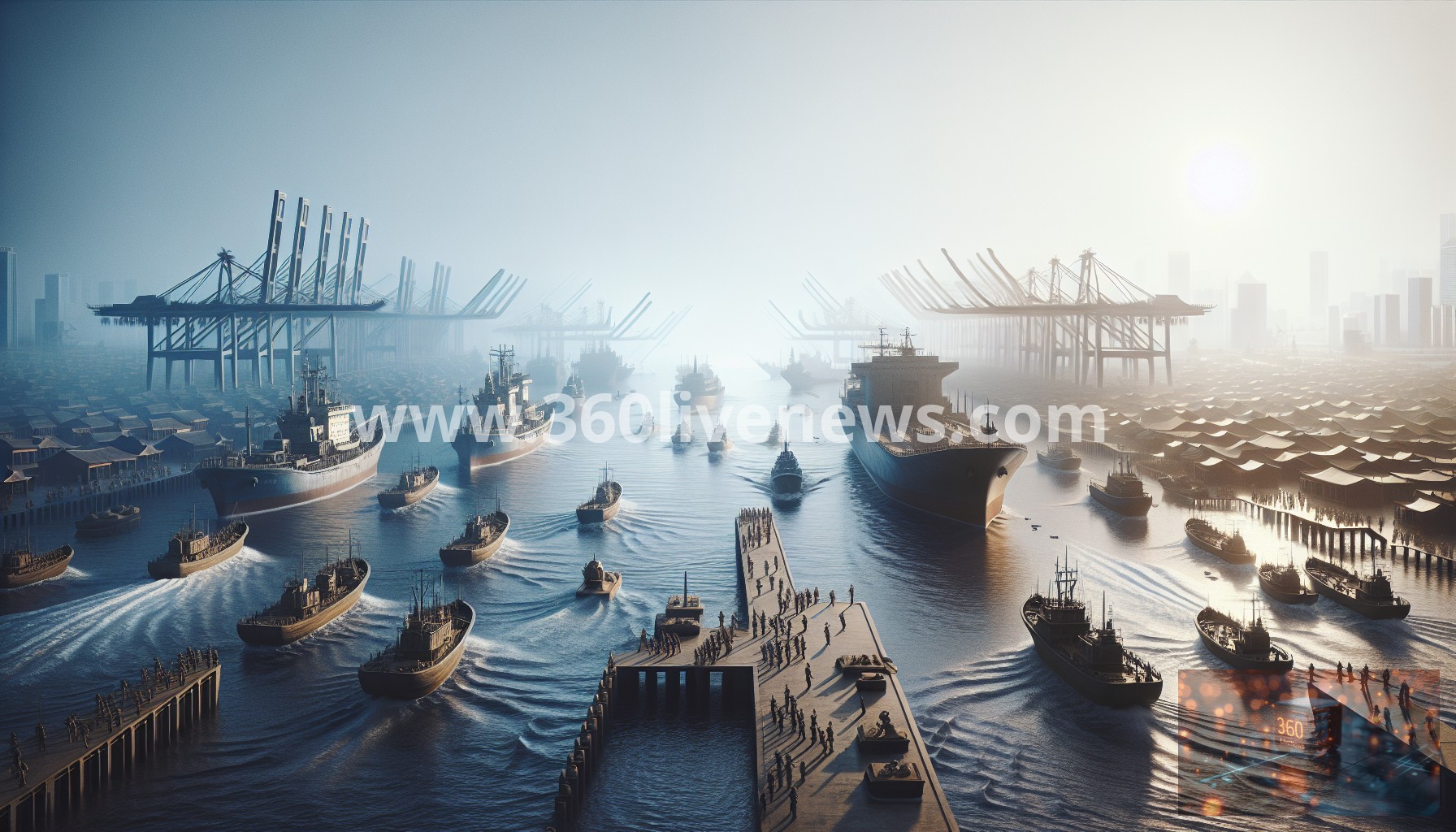
In a significant development amidst escalating tensions, two Iranian vessels have left a Chinese port reportedly carrying materials linked to rocketry. Experts believe these ships are transporting a crucial precursor for rocket fuel, raising concerns about their potential role in the ongoing conflict involving Iran. The departure of these vessels occurs while military hostilities between the United States and Iran continue to unfold, marking a potential pivot in the geopolitical landscape of the region.
Official confirmations surrounding the specific contents of the vessels remain sparse. However, the fact that they were permitted to depart from China during a time of heightened military engagement between the U.S. and Iran highlights the intricate relationships and strategic calculations at play. The actions of Chinese authorities in this context are particularly noteworthy, given the implications for international diplomatic ties and security dynamics in the region.
Separately, the Iranian government has made claims regarding the capture of U.S. soldiers during the recent outbreak of conflict. Ali Larijani, the head of Iran’s National Security Council, took to social media to assert that several American soldiers have been taken prisoner, contrasting sharply with U.S. military reports that categorize such incidents as combat fatalities. Larijani's remarks hint at heightened propaganda efforts by Iran, aiming to frame its military narrative in stark opposition to U.S. assertions.
This discrepancy illustrates the complexities of information warfare as both nations navigate the turbulent waters of public perception and military engagement. The stance taken by the United States categorically denying the capture of its soldiers underscores the friction characterizing U.S.-Iran relations. Larijani asserted that, despite U.S. claims of deaths in action, the truth would eventually surface, suggesting a belief in the resilience of his nation's narrative.
The backdrop of these developments is critical. Since hostilities began, Iran has reportedly ramped up its military operations, while the U.S. has intensified its surveillance and preparatory maneuvers in the region. According to analysts, these actions place further strain on an already fragile balance between military deterrence and diplomatic dialogue. As the situation continues to evolve, it is vital to understand how these military deployments and alleged captures, intertwined with munitions supply chains, will impact strategic stability in the Middle East.
Geopolitically, the collaboration between Iran and China amidst this conflict could lead to broader ramifications, challenging U.S. dominance in the region and potentially altering alliances. If the materials being transported by the Iranian ships are indeed related to missile production, as speculated, this could provoke significant international response and may alter the calculus for military engagements by the U.S. and its allies.
The international community watches closely as developments unfold. Statements from military analysts suggest that continued support for Iran by China may embolden Tehran in its regional ambitions. Moreover, this situation underscores the strategic importance of controlling arms and materials that could escalate conflicts involving state and non-state actors in densely populated areas.
This incident, defined by the departures of these Iranian vessels and the claims of captured U.S. soldiers, creates a landscape rife with uncertainty. Both nations face the challenge of navigating public sentiment while managing their tactical and strategic interests. The intertwining of military capabilities, political narratives, and international relations is palpable, hinting at a potentially protracted confrontation if diplomatic efforts fail.
#Iran #UnitedStates #China #military #geopolitics #rocketfuel #NationalSecurityCouncil #conflict #war #publicperception #internationalrelations #informationwarfare #diplomacy
