US Grants India 30-Day Waiver to Purchase Russian Oil Amid Middle East Tensions
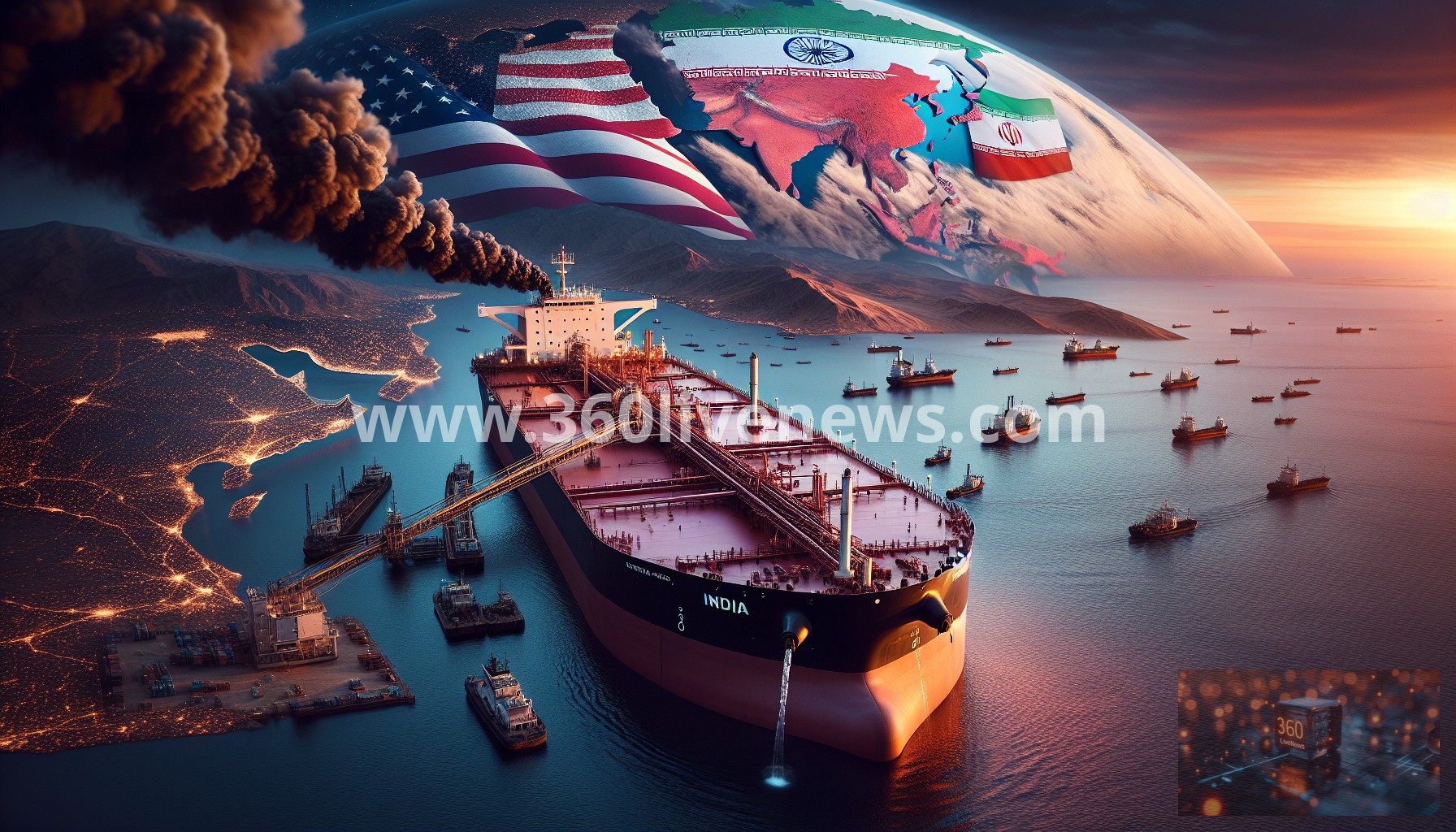
The United States has taken a significant step by granting India a temporary 30-day waiver, allowing it to purchase Russian oil trapped at sea. This decision, announced amidst escalating tensions in the Middle East, aims to maintain a steady flow of oil in global markets and prevent further price surges linked to current geopolitical strife. The waiver was confirmed by Scott Bessent, the Treasury Secretary, who stated that the measure is essential to counter the disruption of energy supplies, particularly in light of rising tensions resulting from the Iran conflict.
The impetus behind this waiver stems from the ongoing challenges within global crude markets, exacerbated by conflicts in the Middle East. With the Iranian situation intensifying, the US Treasury has opted for this "stopgap measure" to enable Indian refiners to access Russian oil, a move that diverges from previously imposed sanctions against Russia related to the war in Ukraine. This temporary relief is framed as a measure to alleviate pressures in light of potential Iranian attempts to monopolize global energy supplies.
This change in policy marks a notable departure from the US’s earlier hardline stance, particularly the heavy sanctions that were imposed on Russian oil imports which were aimed at lessening the financial resources available to Russia for its military operations. Just in August, President Trump had enforced a 25% import tariff on India's purchases of Russian oil, arguing that such acquisitions undermined US sanctions and financially supported Russia's aggression in Ukraine.
The decision to ease restrictions on Indian oil imports from Russia highlights the complex interplay of interests that characterize US foreign policy, particularly in energy matters. The waiver is particularly relevant now, as the US seeks to ensure that global supply chains remain intact and that oil prices do not undergo dramatic increases stemming from regional disruptions.
India’s response to this waiver reveals a strategic shift in its energy procurement practices. With its increasing dependence on Russian oil, India aims to balance its energy needs with the geopolitical realities posed by U.S. sanctions. This choice may have significant implications for the country's energy security strategies, particularly regarding its relations with Russia and the broader implications for US-India ties.
The ripple effects of the waiver extend beyond oil. This financial accommodation amidst the Iran-US tensions has triggered concerns among investors in China, particularly with respect to supply chains. Chinese retail investors are increasingly questioning companies about potential disruptions. Iran accounts for over 90% of global Saffron" target="_blank" rel="nofollow noopener">saffron exports, a commodity experiencing significant trade stoppages due to the conflict, underlining the expansive impact of geopolitical tensions on global markets.
Moreover, the waiver could influence diplomatic relations among key players in the region. India's evolving role as a buyer of Russian oil highlights its position in the geopolitical landscape that the US and its allies are closely monitoring. This shift, coupled with existing conflicts, signals the potential for a transformation in energy alliances, especially given the contest for influence in the Indo-Pacific region and beyond.
As the situation continues to develop, the pressing need for a stable energy market will remain a priority for many nations, especially those impacted by the Iranian conundrum. The US waiver allows Indian buyers to mitigate immediate supply concerns while showcasing the complex realities that continue to define international relations about energy commodities.
The diplomatic ramifications of this decision could extend further, as regional tensions between the US and Iran persist. The balancing act between maintaining sanctions against Russia and ensuring stable global oil supplies will be a critical focus for US policymakers in the coming weeks. As discussions continue, it will be imperative to watch how this policy may evolve depending on the geopolitical landscape and the responses from other nations involved.
#US #India #Russia #Iran #oil #geopolitics #energy #supplychain
