Balendra Shah's Rastriya Swatantra Party achieves significant victory in Nepal's parliamentary elections
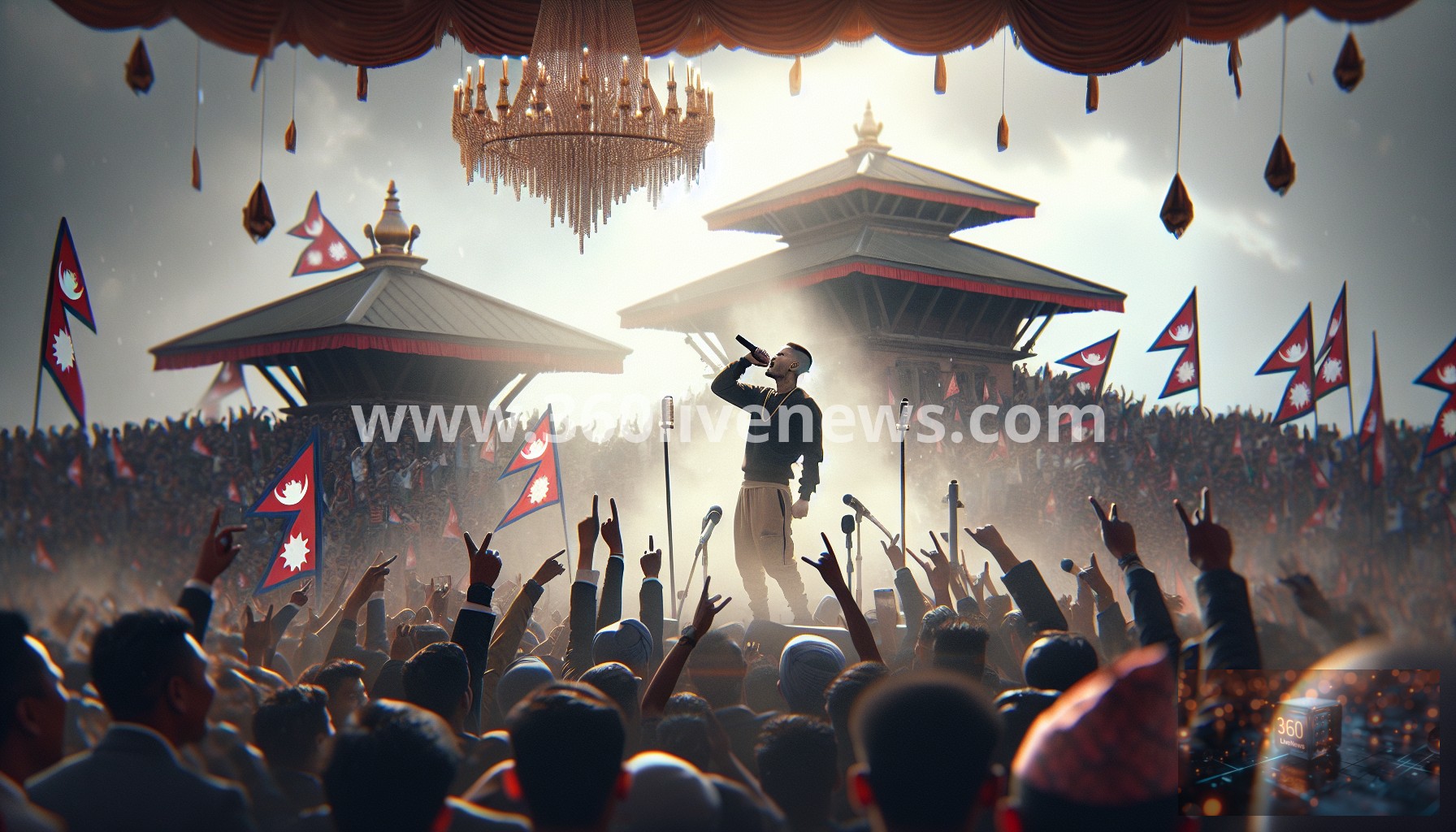
Nepal's political landscape has seen a remarkable shift with rapper-turned-politician Balendra Shah's Rastriya Swatantra Party (RSP) poised for a significant victory in the direct parliamentary elections, as confirmed by official results and trends from the election commission. Shah, widely known as "Balen," has led his party to a landslide victory following the election held on Thursday, which was held to select members for the 275-seat House of Representatives.
Reports indicate that Shah's RSP secured a commanding majority in the direct elections, while also leading in the proportional representation category. This electoral success marks the first election in Nepal since last year's youth-led uprising that resulted in the ousting of the previous government. The elections involved the selection of 165 members through direct votes and 110 through proportional representation.
In a significant upset, Shah has defeated veteran political figure Khadga Prasad Sharma Oli, who served as Prime Minister four times before his previous government's fall amid widespread protests. Shah obtained nearly four times as many votes as Oli in his constituency located in southeastern Nepal, further demonstrating the electorate's desire for change.
The RSP's rise to prominence symbolizes a broader reformist wave within Nepalese politics, particularly appealing to younger voters and those disillusioned by traditional political practices. Shah, at 35 years old, has attracted support from the Gen Z demographic, who played a crucial role in the uprising that paved the way for this recent electoral development.
The elections conducted on Thursday are reflective of a significant political realignment in Nepal, a nation that has continually grappled with political instability and frequent changes in leadership. This new turn is expected to herald changes, not just within domestic policy but potentially influencing Nepal's foreign relationships as well. The RSP, under Shah's leadership, is seen as an opportunity for renewed governance focused on transparency and accountability.
Shah's background as a former mayor of Kathmandu and popular rap artist has distinguished him in the political arena, presenting a contrasting image to the entrenched political elite represented by figures like Oli. His appeal lies in a promise of innovation and reform, which continues to resonate with voters prioritizing progressive changes over traditional political rhetoric.
The context of these elections stems from the turbulence following the last government led by the Communist Party of Nepal (Unified Marxist-Leninist) under Oli. The ousting of his administration due to mass protests highlighted a growing disenchantment with established parties and leaders. The new electoral outcomes suggest a shift towards governance that prioritizes the needs and voices of the younger population, who demonstrated their power during the recent protests.
This evolving political climate extends beyond mere domestic implications; it opens avenues for potential shifts in international relations. Should Shah’s leadership continue to amplify reform, it could lead to stronger ties with nations prioritizing democratic governance and human rights, while realigning Nepal's historical position in regional geopolitics.
As the RSP prepares to form the new government, observers are keenly analyzing how this victory will translate into tangible policy changes. The public's expectation is high for a government that not only addresses current socioeconomic issues but also paves the way for a sustainable and inclusive political environment. Shah's administration is anticipated to focus heavily on transparency, anti-corruption measures, and increased youth engagement in governance.
#Nepal #Election #BalendraShah #Politics #Reform #YouthUprising #RastriyaSwatantraParty #KhadgaPrasadSharmaOli
