Northern Territory Faces Flood Emergency as Rain Forecasts Continue
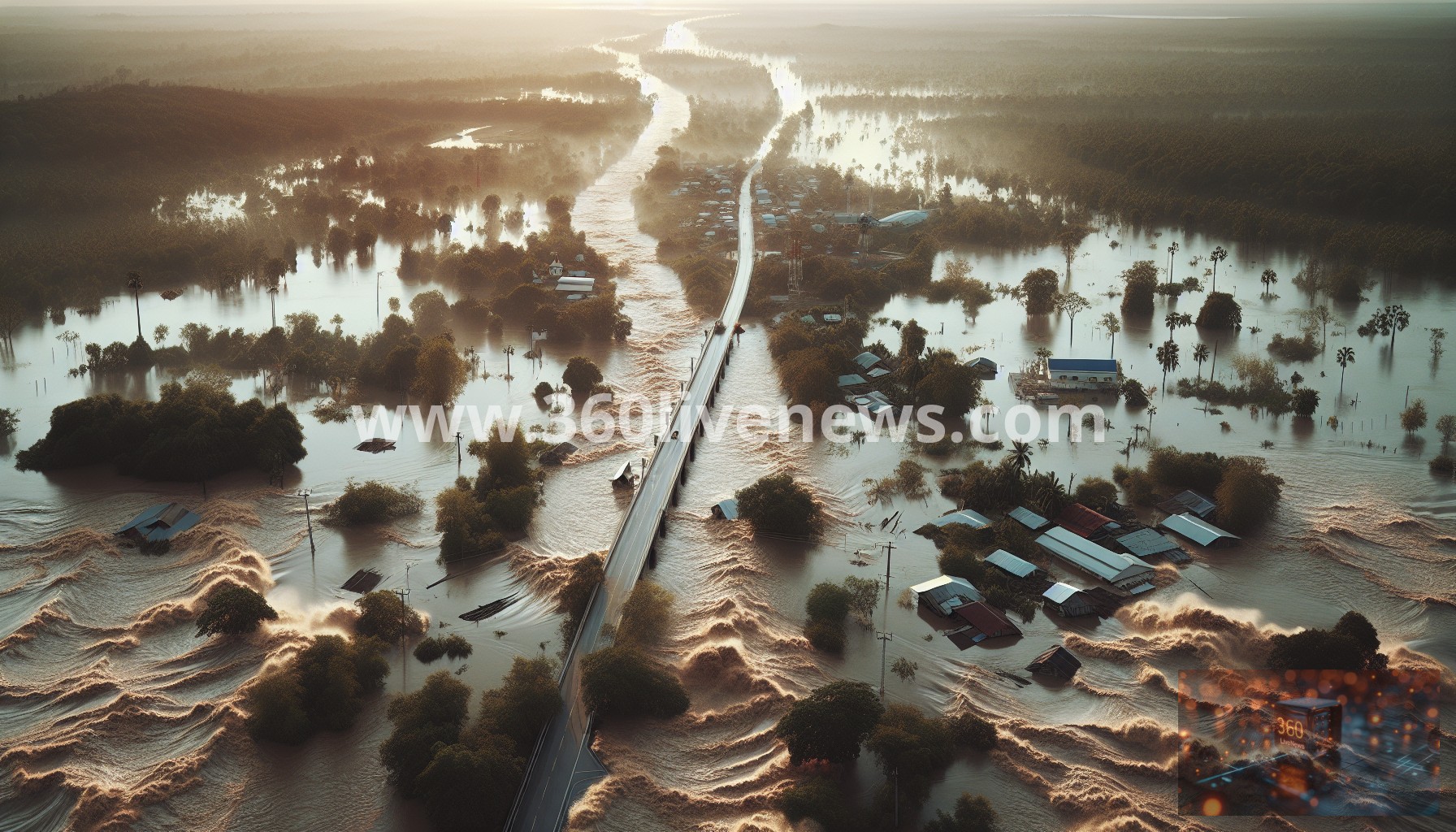
The Northern Territory is grappling with a significant flood emergency, which continues to escalate as more rain is expected in the days to come. The Chief Minister, Lia Finocchiaro, has reported that a large-scale emergency response is underway across the "Top End" to support affected communities. The Northern Territory Emergency Operations Centre is operational 24 hours a day with a dedicated team of 40 staff members coordinating efforts across various government agencies.
Katherine, a city in the Northern Territory, has been particularly hard hit, facing its worst flooding in nearly three decades. Reports indicate that significant rainfall has exacerbated the situation, leading to widespread disruptions. Officials are now focused on managing the immediate needs of residents as they recover from this severe flooding event, which is part of a larger pattern of climate change impacts.
According to Jude Scott from the Bureau of Meteorology, a persistent monsoon trough is set to continue dumping rain over parts of the region this week. This forecasting raises serious concerns about the potential for further flooding as infrastructure struggles to cope with the already saturated ground. The Bureau is closely monitoring the situation, providing updated rainfall totals to anticipate the impact on already vulnerable areas.
The emergency response strategy includes not just immediate relief efforts, but also comprehensive planning to ensure the safety of communities in the long run. Significant resources are currently being allocated to assist residents, including the distribution of essential supplies and the establishment of evacuation centers for those needing urgent help. The full extent of casualties is still being assessed, but authorities are urging residents to remain vigilant.
This flooding emergency in the Northern Territory is not an isolated incident but rather part of a broader context of severe weather patterns impacting Australia. Over recent years, the region has witnessed increasing extreme weather events, raising questions about preparedness and response capabilities. Such incidents are prompting both local and national discussions on improving infrastructure resilience and community readiness for successive weather-related crises.
The government's commitment to addressing these emergencies reflects a larger trend of integrating disaster response into regular governmental operations. Institutions like the Northern Territory Government Emergency Services are actively involved in these efforts, applying lessons learned from previous incidents to enhance their overall emergency management frameworks.
As the situation unfolds, the impact of flooding on local economies is becoming apparent. The agricultural sector, which is particularly vulnerable, faces significant risks due to potential crop damage and livestock losses. These implications could affect not only local farmers but also contribute to regional supply chain disruptions further down the line.
Additionally, the mental health toll on the affected populations is a growing concern. Community leaders and mental health professionals emphasize the need for comprehensive support systems for individuals facing the trauma of displacement and loss. Initiatives focusing on psychological well-being are critical to community recovery in the aftermath of such natural disasters.
#NorthernTerritory #Flood #EmergencyResponse #Katherine #Australia #BureauofMeteorology #CommunitySupport #WeatherDisasters
