Protests on Gold Coast demand refuge for Iranian women's football team after Asian Cup match
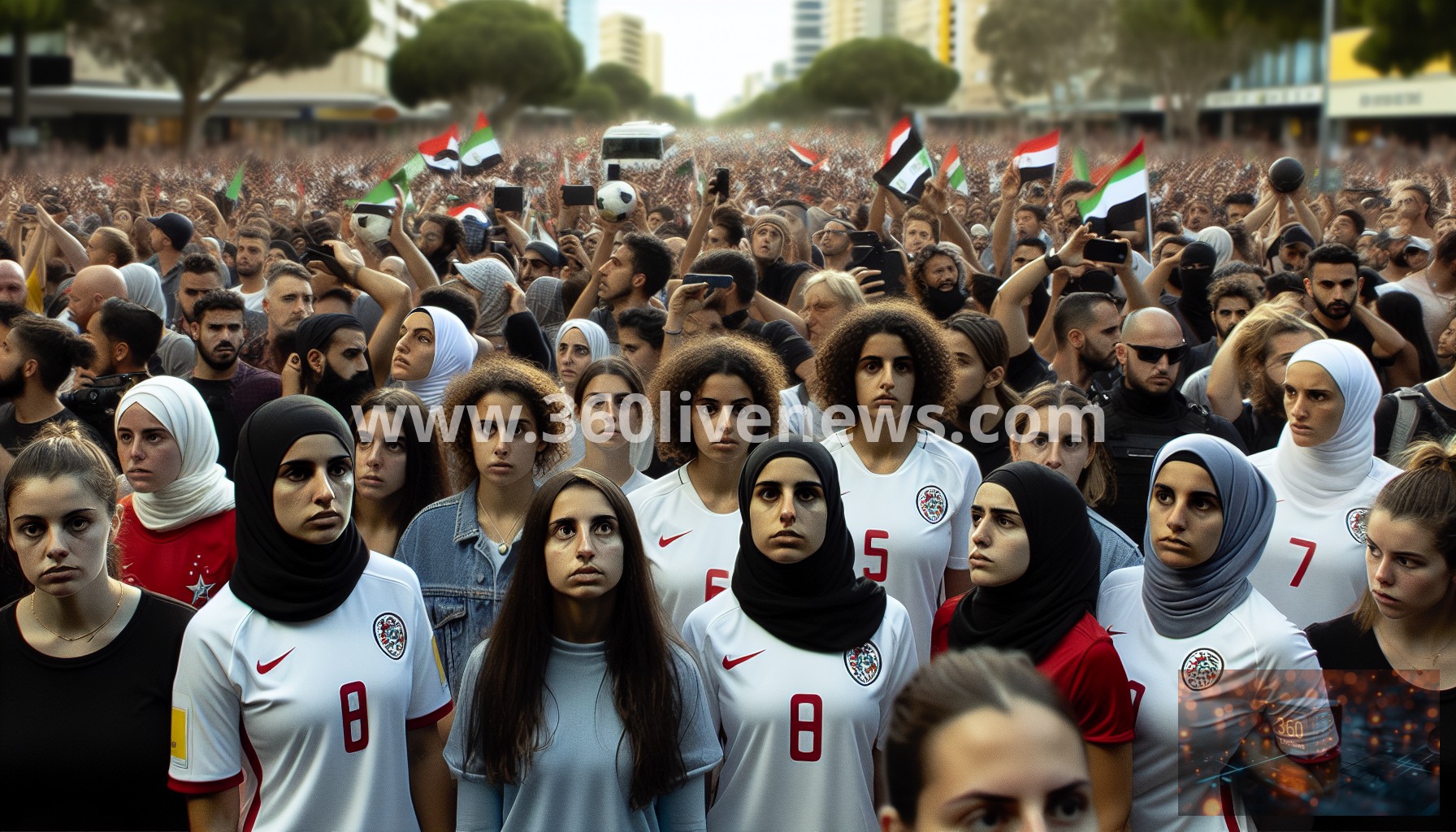
Protests erupted on the Gold Coast following the final match of the Iranian women's football team at the ongoing Asian Cup. Supporters surrounded a bus transporting the players, voicing their anger amid mounting calls for Australia to provide refuge for the team. This action gained urgency after some players were labeled as traitors for their apparent failure to sing the national anthem during their opening match. The Iranian team, coached by Marziyeh Jafari, ended their Asian Cup campaign under chaotic circumstances and now faces a perilous trip back home, amidst broader concerns for their safety.
According to reports, the backdrop to the protests stems from the scrutiny faced by the Iranian women's football team over their representation during the tournament. In their opening game, the team refrained from singing the national anthem, a decision that has led to public backlash in Iran, with the players being accused of disloyalty. As the Tournament proceeded, this incident elicited intense reactions from various factions, further complicating the women's team's relationship with both fans and authorities back home.
Following the last match against the Philippines, the situation escalated significantly as demonstrators attempted to hinder the team's bus exit. The chaotic scene was characterized by crowds gathering in an effort to voice their dissent and support for the women's rights, a movement that has been gaining momentum in Iran. In light of these developments, there are growing fears regarding the potential repercussions the team might face upon returning to Iran.
The Iranian coach, Marziyeh Jafari, expressed the players’ eagerness to return to their home country despite the mounting anxiety surrounding their safety. Since the start of the Asian Cup, sentiments have shifted dramatically towards these athletes, now caught between their desire to represent their nation and the political implications of their actions during the tournament. The team's experiences showcase the complicated dynamics between sports and national identity, particularly in the context of Iran's political landscape.
The international community has since taken notice, with calls being made for Australia to grant the Iranian women's football team asylum, enabling them to escape potential backlash from authorities at home. Advocates for the team stress that the players should not face hostility or harsh repercussions for expressing personal freedoms, such as the choice to abstain from singing the national anthem.
This incident highlights a broader pattern of challenges faced by female athletes in Iran, where societal norms and government regulations often clash with individual expressions of freedom. The Iranian government has historically maintained strict control over cultural expressions, and dissent can lead to severe consequences for athletes who defy these expectations. Therefore, the outcome of this situation can significantly influence how female athletes are perceived and treated in Iran moving forward.
Geopolitically, this incident underscores the intersection of sports and socio-political struggles, illustrating how international sporting events can become platforms for broader cultural conversations. As public outcry continues, it raises questions about the role of sports in advocating for change, particularly in countries like Iran, where such discussions can be perilous.
The growing visibility of these issues presents a pivotal moment not only for the Iranian women's football team but also for women's rights movements globally. Observers note that how Australia and other nations respond to this situation may set precedents for future interactions between sports diplomacy and human rights advocacy. The hope is that such incidents can prompt necessary discussions and actions that promote equality and safety for women in sports.
In conclusion, as the Iranian women's football team prepares for an uncertain return, they embody the complex realities faced by athletes caught in the web of cultural and political dilemmas. Their situation urges not only solidarity within the sports community but also a critical examination of the global responsibilities surrounding athlete welfare and rights.
#Sport #Iran #WomensRights #AsianCup #Football #Protests #Australia #MarziyehJafari
