Ukrainian ministers oppose Russian artists' participation at Venice Biennale amid ongoing conflict tensions
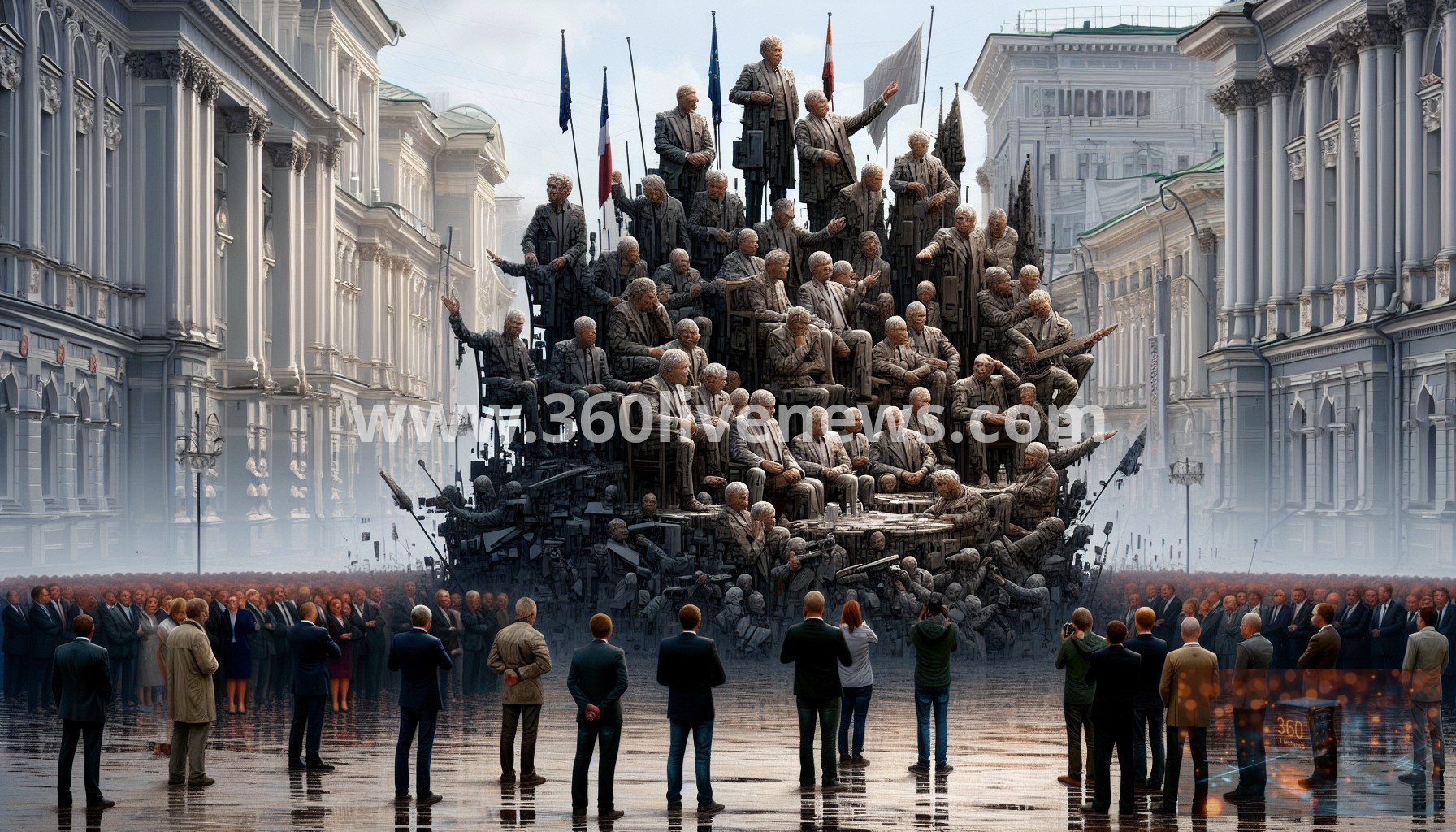
Ukrainian ministers have recently expressed strong opposition to the participation of Russian artists at the prestigious Venice Biennale art festival. This move has come amid escalating tensions tied to the ongoing conflict between Ukraine and Russia. The protests were formally launched on Sunday, with the Ukrainian Foreign Minister publicly denouncing the decision to reopen the Russian pavilion at the biennale.
The joint statement issued from Kyiv characterized the inclusion of Russian artists in such international cultural events as "unacceptable." This sentiment underlines a broader concern within Ukraine, relating to how cultural platforms can inadvertently endorse or normalize the actions of aggressor states. Ukrainian officials asserted that any technological or policy shifts that lessen sanctions or restrictions on Russia are fundamentally misguided.
Officials underscored that allowing Russian participation in high-profile international events would signal tacit approval of Russia's aggression and ongoing war crimes. The ministers emphasized that "the cultural sector must be protected from war propaganda," outlining a clear rationale that lifting restrictions may inadvertently convey support for Russia's genocidal policies during the conflict. This perspective has been increasingly shared within the international community.
The Venice Biennale, which is celebrated for showcasing contemporary art from around the globe, has become a flashpoint in cultural diplomacy as it grapples with complex geopolitical narratives. The event traditionally fosters global artistic dialogue, but the inclusion of Russian artists is now a contentious issue, reflecting ongoing global debates about the impact of culture during wartime as well as the moral obligations of cultural institutions.
In the context of the broader geopolitical landscape, the protests also align with other critical developments. Recently, oil prices have seen a significant spike, surging above $100 a barrel for the first time in almost four years. This price increase has raised alarm about the potential repercussions of the conflict in the Middle East on global energy supplies, further complicating international market dynamics. The stock futures have also reported a decline of approximately 1.5 percent, indicating investor apprehension regarding stability in energy markets amid geopolitical strife.
The ongoing friction between Ukraine and Russia is rooted in a complex historical backdrop involving longstanding territorial disputes and cultural identity, further exacerbated by Russia's military actions. Previous incidents, including the 2014 annexation of Crimea and ongoing hostilities in Eastern Ukraine, have significantly shaped both nations' perceptions of each other, adding layers of bitterness and distrust to cultural exchanges.
Ukrainian officials are drawing attention to these dynamics as they argue for the necessity of steadfast sanctions against Russia. The protests highlight broader efforts by the Ukrainian government to maintain significant international support and to reflect the national sentiment about ongoing Russian aggression. The positions taken by Ukrainian ministers mirror those of various organizations and cultural institutions across Europe who are grappling with similar dilemmas regarding engagement with Russian entities amidst ongoing conflict.
As the Venice Biennale approaches, reactions from the international art community may also play a pivotal role in shaping the discourse around cultural participation and geopolitical accountability. The momentum of these protests may influence how the event is ultimately perceived, as well as how participants within the art community choose to engage with the Russian pavilion under conditions of war and humanitarian crises.
In the context of cultural diplomacy and the preservation of moral stances, the situation surrounding the Venice Biennale illustrates how culture cannot be disentangled from political realities. The protests initiated by Ukraine serve not only as a reaction to the specific event but also as a symbolic act that addresses larger themes of accountability and the responsibilities held by artists and cultural institutions amidst international conflict.
#UkrainianPolitics #VeniceBiennale #RussianAggression #CulturalDiplomacy #OilPrices #InternationalRelations #ArtFestival #GeopoliticalConflict
