Cocoa farmers in West Africa face financial crisis amid declining bean prices despite rising global chocolate costs
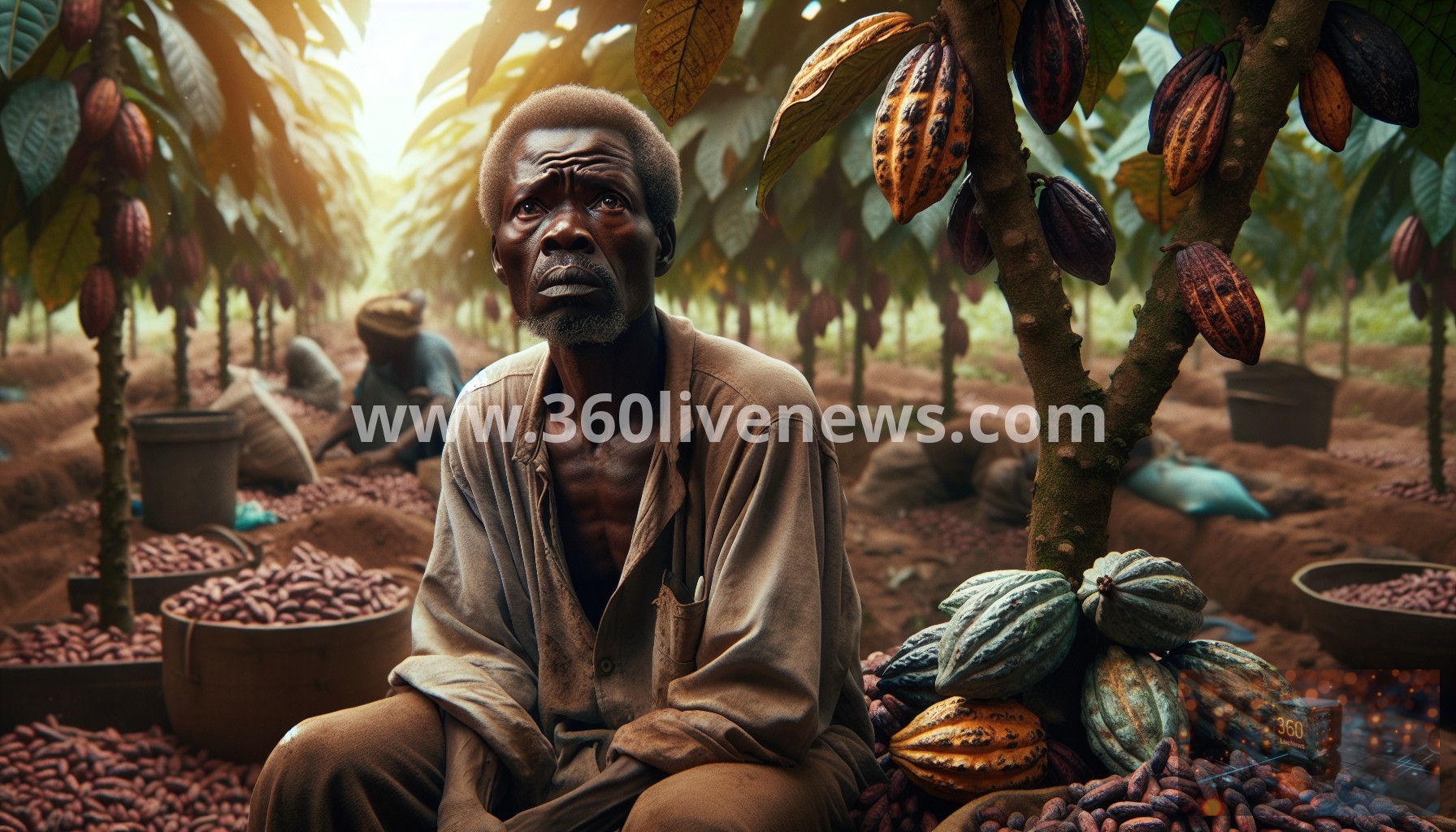
A crisis is engulfing cocoa farmers in West Africa as they face declining prices for their beans, despite a recent surge in chocolate bar prices globally. Cocoa farmers in countries like Ghana and Ivory Coast, which produce a significant portion of the world’s cocoa, are reportedly not benefiting from these increased chocolate costs. Many have gone unpaid for months, leading to harrowing personal stories of hardship and loss.
One such account comes from 52-year-old Ghanaian cocoa farmer Akosua Frimpong, who recounted a tragic experience where her husband died due to a lack of funds for medical care. This reflects the dire situation many farmers find themselves in as the cocoa market struggles. Following a brief period during which cocoa prices surged in 2024, prices have recently plummeted, making it increasingly difficult for farmers to sustain their livelihoods.
Much of the world's cocoa is sourced from Ghana and Ivory Coast, where government regulators traditionally set prices a year in advance. However, the recent downturn in cocoa prices means that the local beans are now about 40% more expensive than what international traders are willing to pay. This disparity leaves many farmers unable to cover their production costs or support their families.
The decline in cocoa prices can be attributed to several factors, including a robust global harvest coinciding with a decrease in demand. As a result of previous high prices, chocolate manufacturers have responded by reducing the size of chocolate bars and using less cocoa per product, which further exacerbates the situation for cocoa producers in West Africa.
The current cocoa crisis is just one aspect of broader economic challenges facing agricultural workers in the region. The reliance on cocoa as a cash crop means that any fluctuations in market prices can have devastating effects on the livelihood of farmers. Additionally, many cocoa farmers are struggling with issues like inadequate access to healthcare, reflecting systemic failings in the agricultural sector.
This market collapse occurs against a backdrop of increasing demand for ethical sourcing of cocoa and sustainable practices. Consumers are becoming more aware of the conditions under which cocoa is produced, leading to higher expectations for transparency and fairness from chocolate manufacturers. Nonetheless, these ethical considerations have yet to translate into tangible benefits for the farmers at the very beginning of the supply chain.
Experts warn that the situation could lead to a more significant humanitarian crisis if not addressed promptly. Governments and international organizations need to step in to support cocoa farmers who are struggling to cope with the repercussions of fluctuating prices. Sustainable development initiatives could play a crucial role in providing farmers with better resources, information, and market access.
This unfolding scenario is critical not only for farmers in Ghana and Ivory Coast but also for the global chocolate industry, which relies heavily on West African cocoa. The imbalance within this supply chain raises questions about corporate responsibility and the true cost of consumer products. As consumers enjoy luxury chocolate products, it is essential to consider the economic realities faced by those who produce cocoa under challenging conditions.
The plight of cocoa farmers underscores the vulnerability of agricultural sectors reliant on international markets. Stakeholders must work collaboratively to ensure that farmers receive fair remuneration in this fluctuating economic landscape. Addressing the root causes of economic hardship in cocoa-producing regions is essential for long-term stability and prosperity.
#Cocoa #Farmers #Ghana #IvoryCoast #Chocolate #HumanitarianCrisis #MarketCollapse #EthicalSourcing
