Mojtaba Khamenei appointed as Iran's new Supreme Leader following his father's death in an Israeli airstrike
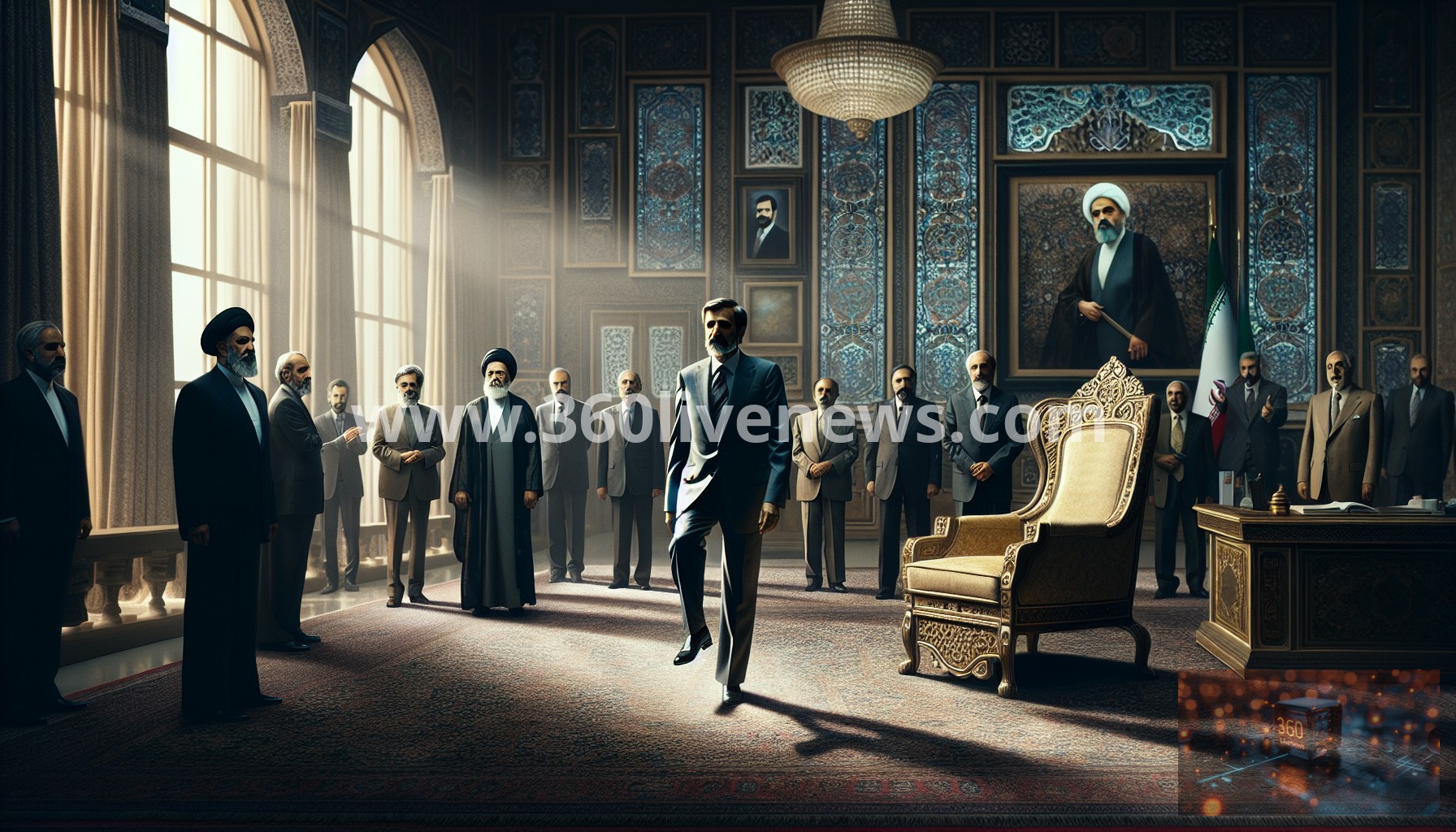
The political landscape in Iran has shifted dramatically with the appointment of Mojtaba Khamenei as the new Supreme Leader. This decision follows the recent death of his father, Ayatollah Ali Khamenei, who was killed in an Israeli airstrike targeting government offices. The Assembly of Experts, an influential clerical body in Iran, made the announcement concerning Mojtaba, a mid-ranking cleric with a background closely tied to Iran's security forces.
The circumstances of Ali Khamenei's death reveal the continuation of a volatile situation between Iran and its adversaries, particularly Israel and the United States. Reports indicate that the airstrike that led to the elder Khamenei's death occurred during the early phases of a broader military conflict in the region. This conflict has seen intensified confrontations, with Israel's military operations predominantly focusing on Iranian military targets.
Mojtaba Khamenei's ascension as Iran's Supreme Leader marks a significant consolidation of power within the hardliner faction of Iranian politics. He has been described as a figure who possesses a deep connection to the nation's powerful Islamic Revolutionary Guard Corps (IRGC), which plays a crucial role in Iran's military and paramilitary activities across the region. Commentators indicate that under his leadership, the IRGC will likely remain a formidable force in shaping Iran's strategic military decisions.
Prior to his father's death, Mojtaba was regarded as somewhat of an obscure figure within Iranian political circles, avoiding public appearances. His profile has sharply increased amid the crisis, now facing intense scrutiny both domestically and internationally. His selection has been met with varying reactions, with some analysts predicting an even more aggressive stance by Iran against perceived external threats, particularly from the U.S. and Israel.
Ayatollah Mohsen Heidari Alekasir, a member of the Assembly of Experts, stated that the selection was reflective of Khamenei's direction that the new leader should embody figures that are "hated by the enemy." This comment underscores the regime's anti-Western sentiment, particularly emphasizing the adversarial relationship with the United States, which has been labeled as the "Great Satan" by Iranian officials over the years.
Mojtaba Khamenei inherits not only the leadership of Iran but also a complex legacy of his father's policies, as well as the challenges posed by ongoing regional conflicts. As a key figure in Iran's national security apparatus, his involvement in war strategy will be pivotal. Observers of Iranian politics note that this new leadership could potentially escalate tensions further, particularly in light of the ongoing military activities conducted by Israel in the region aimed at curtailing Iran's nuclear ambitions and its military footprint in neighboring countries.
The choice of Mojtaba as Supreme Leader is emblematic of a larger trend toward consolidating hardliner power in Iran's governance. As the new head of state, he will oversee key institutions within the Iranian government, including the judiciary and military, and will have significant control over the country’s domestic and foreign policy maneuverings. The implications for regional geopolitics are significant, as Iran’s rivals brace for a possible shift toward more aggressive posturing from a leadership emboldened by familial heritage and military backing.
The international community remains watchful as the developments in Iran unfold. Analysts suggest that the hardline shift in leadership may provoke a recalibration of strategies among Iran’s adversaries, particularly in the context of diplomatic negotiations surrounding Iran's nuclear program and its support for groups in conflict zones like Syria and Lebanon. With Mojtaba at the helm, the future of Iran’s geopolitical stance could reflect a departure from the slightly more moderate approaches seen intermittently over the past few years under his father’s leadership.
Already, the new leadership has drawn criticism from figures outside Iran, including current U.S. leaders who have condemned the appointment as unacceptable. This adversarial dialogue continues to reinforce the notion that Iran under Mojtaba will likely not shy away from confrontation, setting the stage for a potentially destabilizing era in Middle Eastern politics.
#Iran #MojtabaKhamenei #AliKhamenei #IsraeliAirstrike #IRGC #USIranRelations #MiddleEastConflict #SupremeLeader
