Five confirmed dead after waste avalanche at Indonesia's largest landfill due to heavy rainfall
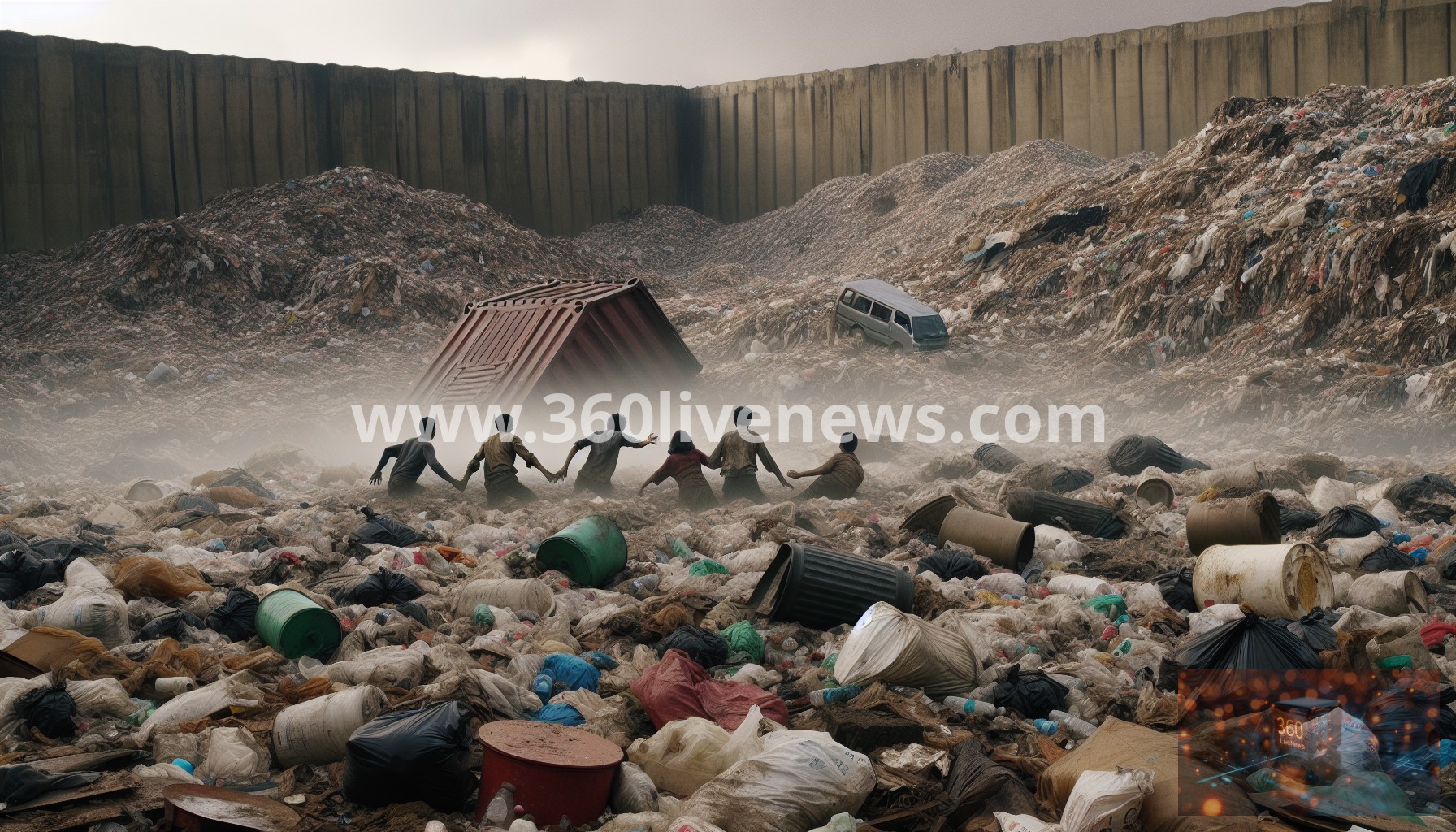
In a tragic incident at Indonesia’s largest landfill, five people have been confirmed dead following a significant avalanche of waste triggered by heavy rainfall. The collapse occurred at the Bantargebang" target="_blank" rel="nofollow noopener">Bantargebang Integrated Waste Treatment Facility in Bekasi, located just outside the capital city of Jakarta. Rescuers were deployed late Sunday and continued their search operations on Monday, highlighting the severe consequences of extreme weather and the challenges posed by unstable waste heaps.
According to reports, the fatalities include two garbage truck drivers and two food stall sellers who were near the site at the time of the disaster. Additionally, four individuals were able to escape the calamity, indicating the urgent nature of search and rescue operations. Desiana Kartika Bahari, the head of Jakarta’s Search and Rescue Office, elaborated on the ongoing efforts, which involve more than 300 personnel with specialized equipment, including heavy machinery and sniffer dogs. Rescue operations are complicated by the risk of further collapses at the site, underscoring the precarious nature of the environment.
The collapse serves as a stark reminder of the issues surrounding waste management in Indonesia, particularly in urban areas where landfills are reaching their breaking point. The Bantargebang site, which is crucial for waste disposal for Jakarta, has been heavily criticized for its capacity constraints and environmental impact. As urbanization accelerates in Indonesia, the pressures on these facilities grow, raising concerns about the sustainability of waste management practices across the region.
Heavy rainfall was reported on the day prior to the incident, with the severe weather conditions believed to have caused the avalanche. Such weather patterns are not uncommon in Indonesia's rainy season, which typically sees increased incidence of flooding and landslides. The recent events highlight the need for improved infrastructure and regulatory measures to mitigate the adverse effects of heavy storms on vulnerable sites like landfills.
Furthermore, the implications of the landfill collapse extend beyond immediate casualties. Environmental organizations have long warned that landfills such as Bantargebang could contribute to pollution and health hazards in nearby communities. This incident could catalyze renewed calls for reform regarding waste management policies and enforcement in Indonesia. The welfare of nearby residents and the effectiveness of local government responses are now under scrutiny.
In the aftermath, local authorities have faced pressure to assess safety protocols and operational standards at waste treatment facilities. Walikota Bekasi, the mayor, has emphasized the need for thorough investigations to establish what went wrong and how similar tragedies can be prevented in the future. This scrutiny echoes wider conversations about urban governance and disaster preparedness in Indonesia, amidst ongoing concerns about the readiness of infrastructure to handle extreme weather events.
As rescue efforts continue, the situation remains fluid, with updates regarding the number of casualties and ongoing search and recovery operations expected. The Indonesian government has pledged full support for affected families and promised resources to improve waste management systems going forward. Detailed reports on operational failures at the landfill are anticipated as investigations unfold, potentially leading to accountability for those in charge.
This tragic event also raises significant questions regarding the ongoing environmental challenges that Indonesia faces. Given the country's status as one of the world's largest contributors to marine plastic pollution, effective collaboration among various government ministries, environmental agencies, and local communities will be essential in addressing these intricate waste challenges. Solutions will require a multifaceted approach that combines technological innovation, educational campaigns on waste reduction, and robust regulatory frameworks.
Overall, the implications of the Bantargebang landfill collapse extend far beyond immediate human loss. It reflects deep-rooted structural issues within Indonesia’s waste management and environmental governance system, reminding the nation of the urgent need for reform in policies, practices, and infrastructure to safeguard both people and the environment.
#Indonesia #Bantargebang #WasteManagement #SearchAndRescue #Environment #Jakarta #Infrastructure #Urbanization
