King penguins on Crozet Islands are breeding earlier and achieving higher success rates due to changing environmental conditions
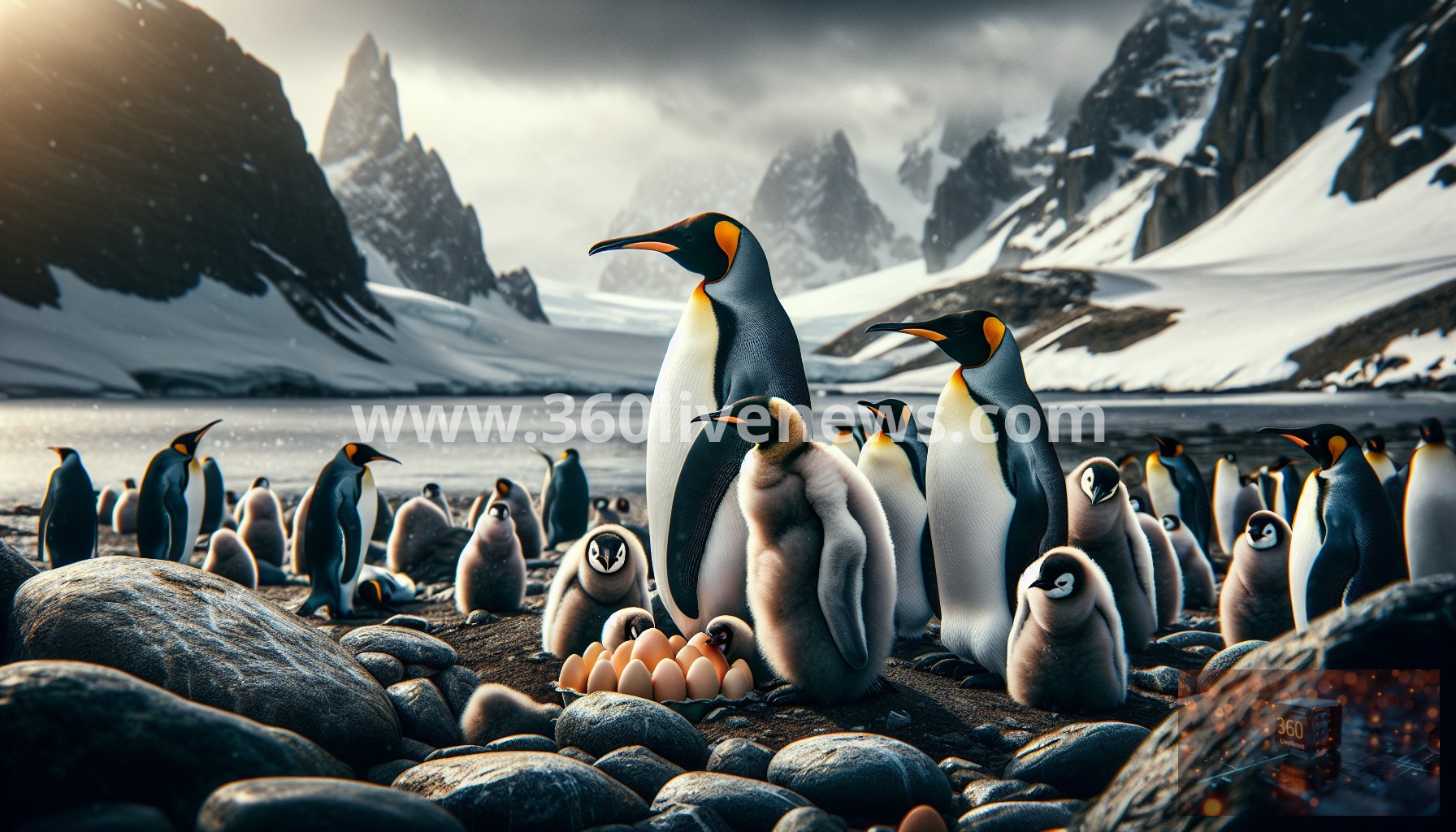
Recent reports indicate that King penguins on the Crozet Islands are now breeding earlier and achieving higher success rates compared to two decades ago. This phenomenon, noted by researchers studying these unique birds, appears to be a direct response to changing environmental conditions and food availability in their habitat.
Over the last 24 years, observations of the breeding patterns of King penguins have illustrated a notable shift. In earlier breeding seasons, the challenges faced by these animals were more pronounced. However, today's data suggests that not only are these penguins breeding earlier, but they are also experiencing better reproductive success. This could signal a potential adaptation to the evolving ecological context shaped by climate change.
The breeding cycle of King penguins is considered the longest of all penguin species, with cycles typically occurring over a span of about 13 to 16 months. The implications of these shifts in timing and success can have significant consequences for population dynamics. As King penguins are positioned at a critical point within their ecosystem, changes in their breeding behavior could influence the stability of other species within the food web surrounding these islands.
Concurrent with the adaptations of King penguins, other penguin species in the region are also noted to be adjusting their mating cycles, following a similar trend towards earlier reproduction. This adaptation might be an evolutionary response to ensure survival against the backdrop of diminishing resources caused by climate alteration.
The Crozet Islands, known for their extreme climate and unique biodiversity, present a significant case for studying the effects of climate change on wildlife. As species like King penguins face pressures from shifting environmental conditions, their responses underscore broader ecological stresses affecting higher trophic level organisms. Animals further up the food chain, such as these penguins, often reveal the impacts of climate change that cascade through the entire ecosystem.
These developments are not isolated to King penguins alone. The ongoing ecological transformation raises critical questions regarding the viability of various penguin species as well as their prey, with implications for biodiversity conservation efforts. Understanding the adjustments made by these animals provides valuable insight into the overarching impacts of climate change on marine ecosystems.
Research into the breeding success of King penguins reflects a larger narrative concerning the adaptability of wildlife in the face of adversity. While there are instances of adaptation, the overall outlook points to a worrying situation where many species may struggle to cope with accelerated environmental changes. In the more extensive arena of climate impact, findings from the Crozet Islands may serve as an indicator of future trends across similar ecosystems worldwide.
Given the vital role that these insights play in conservation strategies and policy-making, continued monitoring and research into penguin populations will be essential. The potential for re-evaluation of conservation strategies could benefit not only the King penguin but also provide frameworks for protecting multiple species affected by climate changes.
King penguin, along with the broader implications on climate change, showcases the urgent need for integrated approaches to environmental stewardship. Understanding these processes will foster resilience among species and inform efforts to mitigate ongoing ecological upheavals.
#KingPenguin #ClimateChange #EnvironmentalChanges #WildlifeConservation #CrozetIslands #Ecosystem #Adaptation #Biodiversity
