Gerry Adams civil trial reveals claims of his leadership role in the IRA amid testimonies from victims of bomb attacks
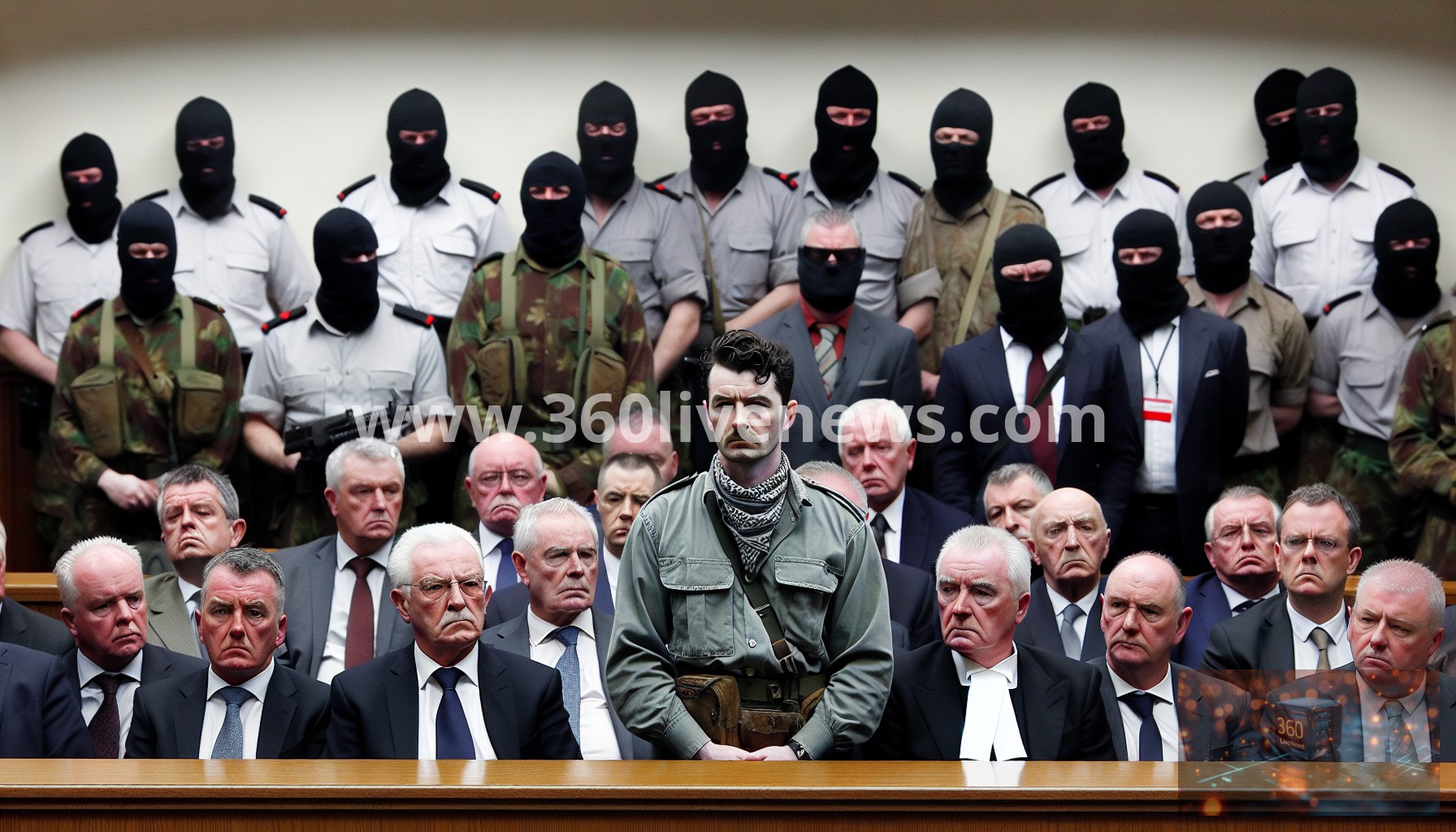
The civil trial of former Northern Irish politician Gerry Adams has entered its fourth day, with significant revelations regarding his alleged leadership role in the Irish Republican Army (IRA). Testimony presented in the High Court in London has drawn attention to reports from intelligence agencies, which identify Adams as a senior figure on the IRA Army Council and label him as the "de facto leader of the IRA." This claim is part of a civil suit instituted by three victims of separate IRA bomb attacks occurring in 1973 and 1996, who contend that Adams was directly responsible for their suffering.
Witness B, who provided testimony from behind a concealed screen to protect his identity, described Adams as “a very formidable opponent” and credited him with being “the greatest strategic thinker” within the IRA. This characterisation has heightened scrutiny regarding Adams' legacy and his historical involvement in the conflict, given his previous roles as a high-profile figure in Northern Irish politics and an advocate for the peace process.
Adams faced visible protests upon his arrival at the Royal Courts of Justice, an indication of the contentious nature of the trial and the polarising debate surrounding his past actions. The existence of demonstrators reflects deep divisions in public sentiment regarding Adams’ legacy, which includes both his political tenure and the allegations of his involvement in paramilitary activity.
The case has drawn significant media attention and has renewed discussions about the legacy of the Troubles, a conflict that spanned several decades and resulted in numerous civilian casualties. While the trial unfolds, it also triggers memories of the broader socio-political climate that shaped Northern Ireland's tumultuous history and the peace negotiations that followed.
In the context of the trial, Adams’ lawyers previously argued that the claims made against him would lead to a “draconian criticism” of his past. They suggest that allegations stemming from events dating back to the violent years of the Troubles do not adequately consider the transition towards peace and reconciliation that has since been established in Northern Ireland.
Expert analyses surrounding the implications of this trial extend into various realms, including legal, political, and social perspectives. Legal scholars have posited that the outcome of this case may influence not only Adams’ reputation but also set precedents for how similar historical grievances are handled in legal contexts within Northern Ireland.
As the trial progresses, its repercussions on public discourse regarding former paramilitary figures and peace process advocates continue to escalate. This situation is exacerbated by the complex relationship between historical accountability and the overarching need for societal healing in a region still grappling with its past.
Outside the courtroom, discussions about the current political landscape in Northern Ireland are also gaining momentum. With a history that involves a difficult transition from conflict to governance, the implications of this trial could reverberate through political circles, affecting current leaders and their approach to handling historical grievances.
As it stands, the court proceedings aim to establish a legal precedent that may resonate far beyond Adams’ individual case. The trial has emerged as not only a legal battle but a significant marker in the ongoing narrative of how society reconciles with its troubled history.
#GerryAdams #IRA #NorthernIreland #UKJustice #TheTroubles #CivilRights #LegalTrial #PeaceProcess
