Iran Releases Footage of Attack on US-Owned Oil Tanker in Iraqi Waters Amid Rising Maritime Tensions
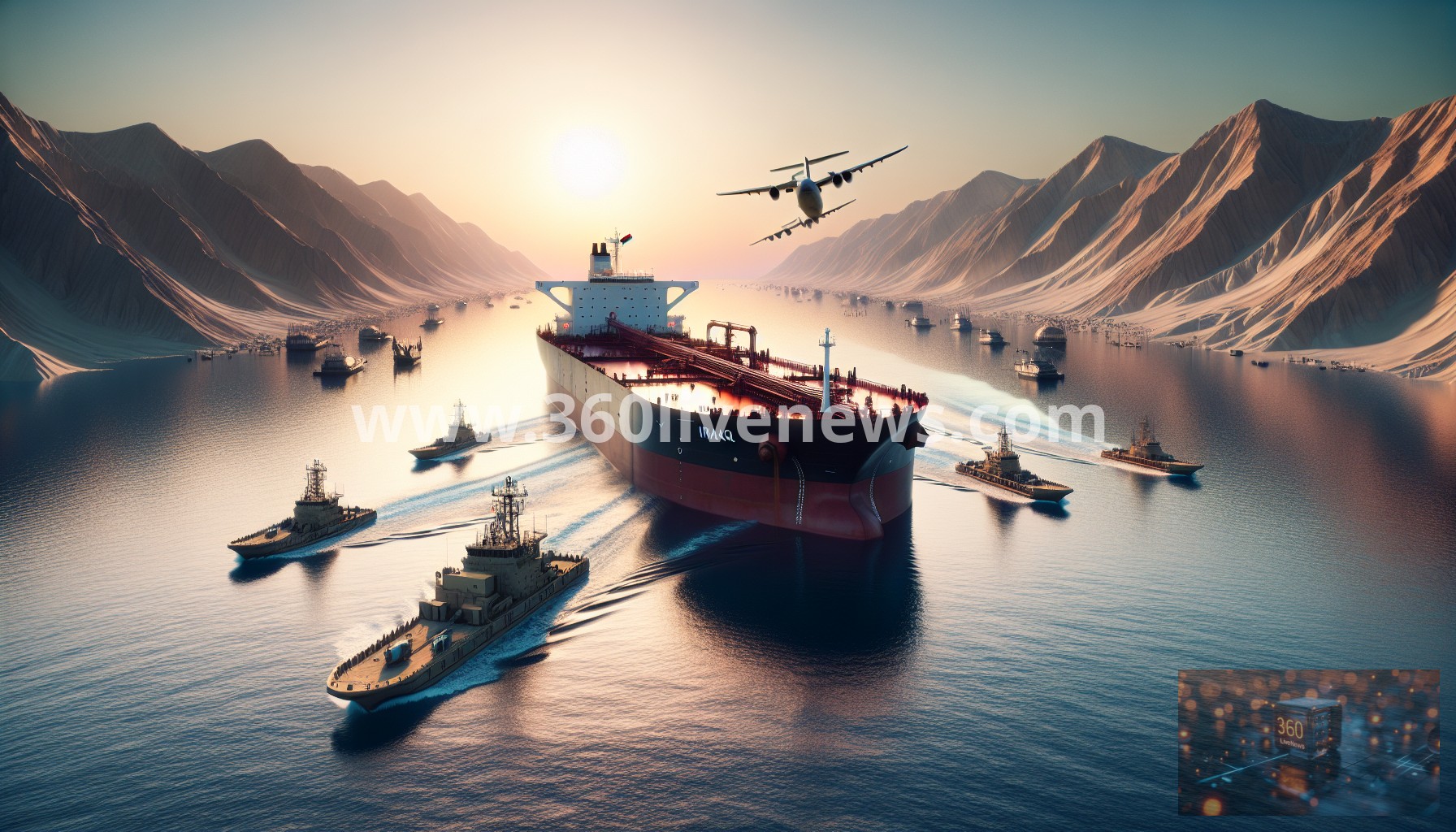
In a significant escalation of maritime tensions in the Persian Gulf, Iran has released footage purportedly showing an explosive-laden boat striking a US-owned oil tanker in Iraqi waters. This incident, which occurred during overnight attacks, reportedly resulted in the death of at least one crew member aboard the vessel. The attack is part of a broader pattern of hostilities that have surged in recent weeks amid ongoing military confrontations involving Iran, the United States, and Israel.
The United Nations High Commissioner for Refugees (UNHCR) reported that the humanitarian situation in Iran has deteriorated dramatically, stating that over three million people have been displaced throughout the country since the onset of hostilities on February 28. As many as 3.2 million individuals, representing between 600,000 and one million Iranian households, are now reported to have fled from urban centers like Tehran to safer rural areas.
According to UNHCR official Ayaki Ito, as the violence continues, the number of displaced persons is expected to rise further, exacerbating an already dire humanitarian crisis within Iran. The UN's findings highlight the ongoing human cost of the conflict, with populations fleeing major cities in search of safety as military operations escalate.
This recent maritime attack not only escalates tensions between Iran and the United States but also complicates an already precarious security landscape in the region. Iran's tactical use of maritime strikes to challenge US interests forms part of a broader strategy aimed at asserting dominance in the Gulf and sending a clear message regarding the consequences of US and Israeli military campaigns against it.
The history of conflicts between Iran and the United States dates back several decades, with significant flare-ups occurring around issues related to nuclear development, regional influence, and military interventions. Since the US withdrawal from the Joint Comprehensive Plan of Action (JCPOA) in 2018, tensions have significantly escalated, leading to a complex web of proxy conflicts and direct confrontations.
In the context of the region, the recent attacks coincide with US and Israeli military actions targeting Iranian sites, further intensifying the cycle of violence. This military pressure has reportedly led to increased Iranian military activity, including sophisticated naval operations and strikes against assets tied to US and allied interests.
The geopolitical implications of these developments are profound. Analysts note that the ongoing conflict could provoke further interventions from global powers, potentially drawing in members of the international community who have a vested interest in maintaining stability in the energy-rich region. Experts warn that a full-scale maritime confrontation could disrupt global oil supply chains, raising energy prices and triggering wider economic repercussions.
The intricacies of this conflict also open discussions concerning humanitarian needs, the role of regional actors, and the impact on civilian populations. As Iran experiences increasing internal displacement and external military pressure, humanitarian organizations are calling for a robust response to avert a worsening crisis.
The situation is evolving rapidly, and both national and international response mechanisms will be critical in addressing the unfolding humanitarian catastrophe and mitigating the broader implications for regional and global security. Diplomatic efforts aimed at conflict resolution remain essential as the threat of further military escalation looms in the wake of incidents like these maritime attacks.
#Iran #UnitedStates Iraq">#Iraq #UNHCR #MaritimeSecurity #MilitaryConflict #HumanitarianCrisis Geopolitics">#Geopolitics
