US Navy to Escort Oil Tankers Through Strait of Hormuz Amid Rising Threats from Iran
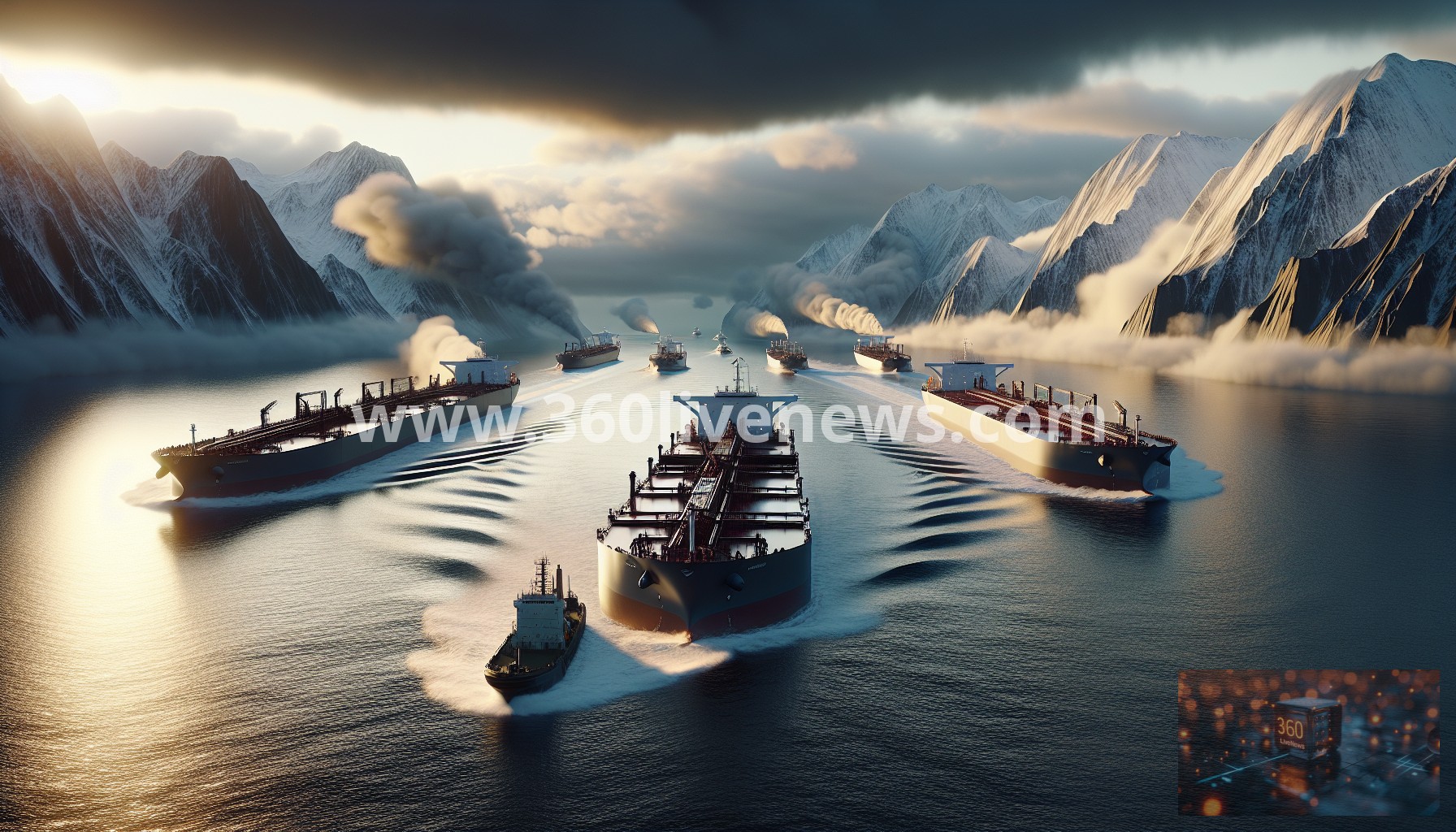
In a significant development, the United States has announced that the US Navy will escort oil tankers through the strategic Strait of Hormuz, a vital waterway for global oil shipment, in response to escalating threats from Iran. This decision comes as Iranian attacks on maritime traffic and energy infrastructure in the Persian Gulf have recently intensified, pushing oil prices above $100 per barrel and causing stocks to decline worldwide.
According to US Treasury Secretary Scott Bessent, discussions regarding the escort operations emerged during an interview with Sky News. Bessent emphasized that military escorts for tankers will commence when deemed militarily feasible, potentially involving an international coalition. Notably, Bessent highlighted that Iranian and Chinese flag tankers are already navigating the strait without reports of mines, suggesting active operations are ongoing despite the heightened tensions.
Iran's new supreme leader, Mojtaba Khamenei, has further escalated the situation by threatening to use the closure of the Strait of Hormuz as leverage against both the United States and Israel. The Strait is a critical channel through which approximately 20% of the world’s oil passes, making any disruption a matter of global concern. The presence of US naval escorts is aimed at safeguarding the tankers and ensuring the free passage of vessels amid such threats.
The context surrounding these developments also includes the relocation of parts of the Terminal High-Altitude Area Defense (THAAD) anti-missile system from South Korea to the Middle East. This maneuver has sparked unease locally and regionally, inviting criticism from South Korea, where citizens fear they may become a more prominent target for military threats. The latest relocation comes amid the ongoing US-Israeli conflict with Iran and the destruction of a key radar component crucial for the THAAD system in Jordan, directly linked to Iranian military actions.
This shift of military assets is further complicating diplomatic relations in the region. China's response has included warnings about the destabilizing potential of these US military relocations in East Asia. The THAAD system, initially deployed in South Korea to counter nuclear threats from North Korea, reflects the broader strategic interests of the United States in maintaining a presence in Asia while simultaneously addressing emerging threats from Iran in the Middle East.
As the situation unfolds, the implications for oil markets and geopolitical relations in the region remain considerable. With oil companies and nations depending heavily on the stability of shipping routes through the Strait of Hormuz, escalations can lead to price shocks and geopolitical rifts that reach beyond the immediate actors involved. Analysts are closely monitoring the US's military commitments and the responses from Iran, as these dynamics will shape global energy policy and security considerations.
While the US Navy's presence in the region signifies a fortified stance against Iranian aggression, it also brings a spectrum of risks associated with military confrontation in a highly volatile area. The intersection of military readiness and oil supply routes underscores the complexities of contemporary international relations, where economic and security interests often collide.
Calls for diplomatic measures will likely gain traction in the face of escalating military readiness. International stakeholders, particularly those reliant on oil imports, may seek to mediate the tensions between the US and Iran to avoid disruptions that impact global markets. How the US, Iran, and their allies maneuver in this multi-dimensional landscape will determine the unfolding of events in the weeks and months ahead.
The focus now shifts to the immediate effectiveness of naval escorts and the responses from Iran. Should Tehran attempt to further disrupt shipping in this key region, the ensuing retaliatory measures by the US and its allies could have lasting repercussions for international relations.
#Iran #USNavy #OilPrices #StraitOfHormuz #MilitaryEscorts #THAAD #MojtabaKhamenei #GlobalEconomy
