Rastriya Swatantra Party wins 182 parliamentary seats in Nepal's general election, marking a significant political shift
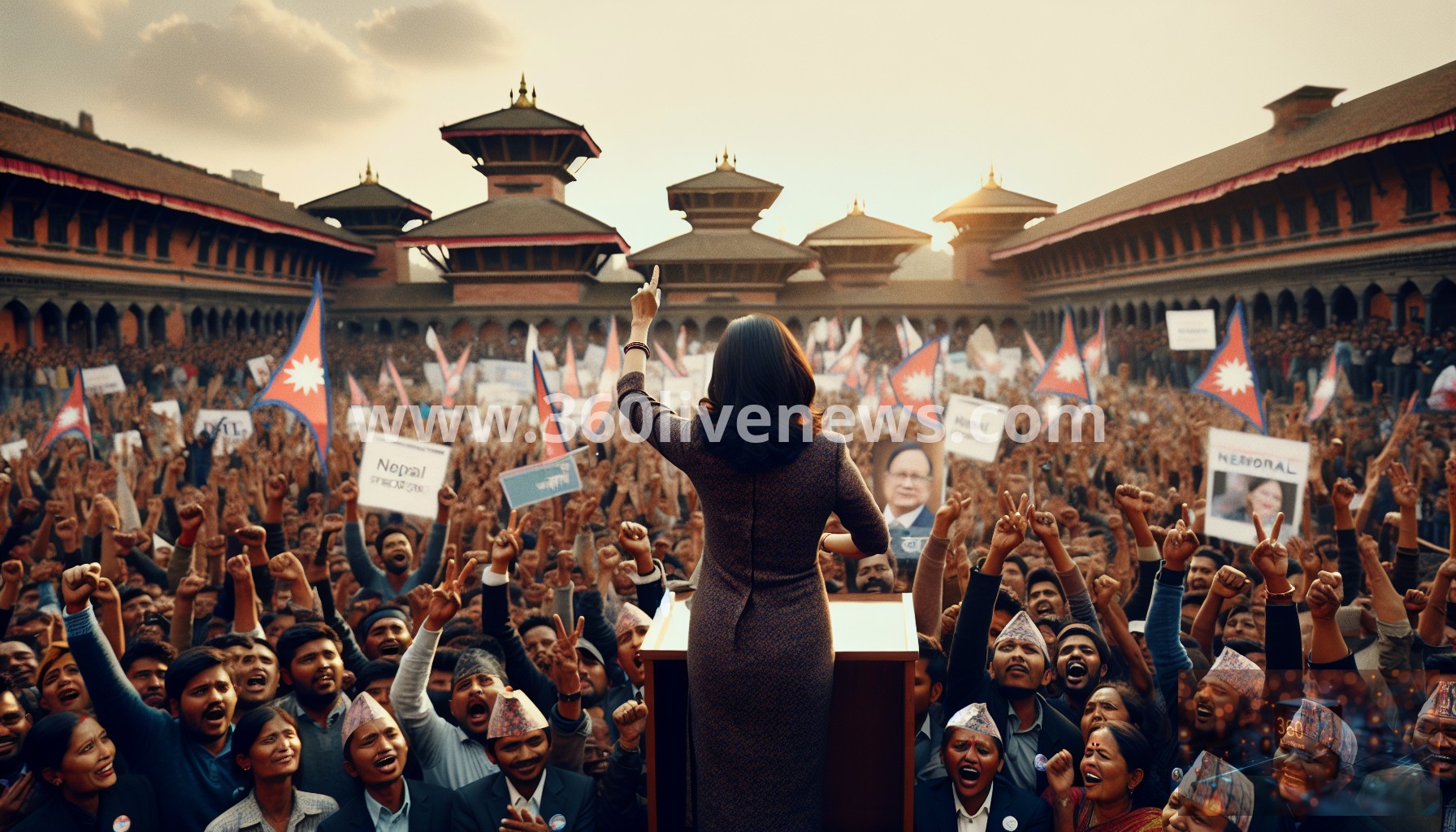
Nepal's recent general election has witnessed a major political shift as the Rastriya Swatantra Party (RSP), led by rapper-turned-politician Balendra Shah, secured a sweeping victory. The final results indicate that the RSP has won 182 out of 275 parliamentary seats, marking a significant achievement in a country where a single party's majority has not been seen in decades. This result has thrown the political landscape into a state of flux, potentially reshaping the future of governance in Nepal.
The results were announced following the elections held on 5 March, which came just six months after large-scale Protests" target="_blank" rel="nofollow noopener">youth protests led to the previous government's downfall in September. This snap election highlighted an urgent demand among the electorate for change against the backdrop of long-standing political stagnation and corruption allegations against established parties. The RSP's success indicates a rejection of the old political order, with voters signaling a desire for a political culture that is perceived to be more accountable and transparent.
Balendra Shah, frequently referred to as Balen, has emerged as a prominent figure in Nepalese politics, appealing to the youth and those frustrated with the status quo. His victory over former Prime Minister KP Sharma Oli in Jhapa 5, a district long considered a stronghold for Oli and his Communist Party of Nepal UML (CPN-UML), epitomizes the dramatic shift in voter sentiment. An RSP supporter from Jhapa-5 expressed, “Balen represents hope for a new political culture,” reflecting widespread sentiments among the electorate.
The election results revealed that the Nepali Congress, the historically dominant party, secured only 38 seats, while the CPN-UML managed 25. This significant downturn for major political players illustrates the shifting tides in Nepali politics, underscoring a growing disillusionment among voters. As the RSP capitalizes on this momentum, questions remain regarding how it will govern with such a substantial majority and the implications for coalition politics traditionally seen in Nepal.
Prior to this election, Nepal experienced considerable political unrest. The protests known for their anti-government sentiment aimed at addressing issues like corruption and unemployment had been a prominent theme marking the political spectrum. The dismantling of the previous administration was born from public discontent, reflecting a broader pattern of political instability that has plagued the nation in recent years. The emergence of the RSP signals not just a new political party, but a potential transformation in political engagement among the youth of Nepal, who have historically been sidelined in political discourse.
The results of this election could have profound implications not only for internal governance but also for Nepal's international relations, particularly as it navigates its position between larger neighboring powers like China and India. Historically, Nepal's political framework has been influenced strongly by these nations, and a shift in leadership could bring about renewed dialogues and negotiations surrounding trade, security, and economic partnerships.
As the RSP prepares to take its place in the parliament, analysts are on alert for how the new party will confront pressing issues such as economic recovery, national unity, and institutional reforms. With a mandate to innovate and adapt to the public's expectations, the new government faces an uphill task of addressing longstanding grievances and uniting a politically fragmented society.
This historic victory raises critical questions about the sustainability of the RSP's influence and the extent to which it can fulfill the ambitious mandate set by its voters. The engagement of the electorate, especially the youth, will demand transparency and robust reforms to ensure that the discontent leading to the protests is adequately addressed. Observers are keen to see how Balendra Shah's RSP will navigate the complexities of governance and fulfill its promise of a new political era for Nepal.
#Nepal #Election #RastriyaSwatantraParty #BalendraShah #Politics #Government #Protests #Youth #CPNUML #NepaliCongress #GeneralElection #PoliticalChange
