US military KC-135 refuelling aircraft crashes in western Iraq after suspected mid-air collision, rescue efforts underway
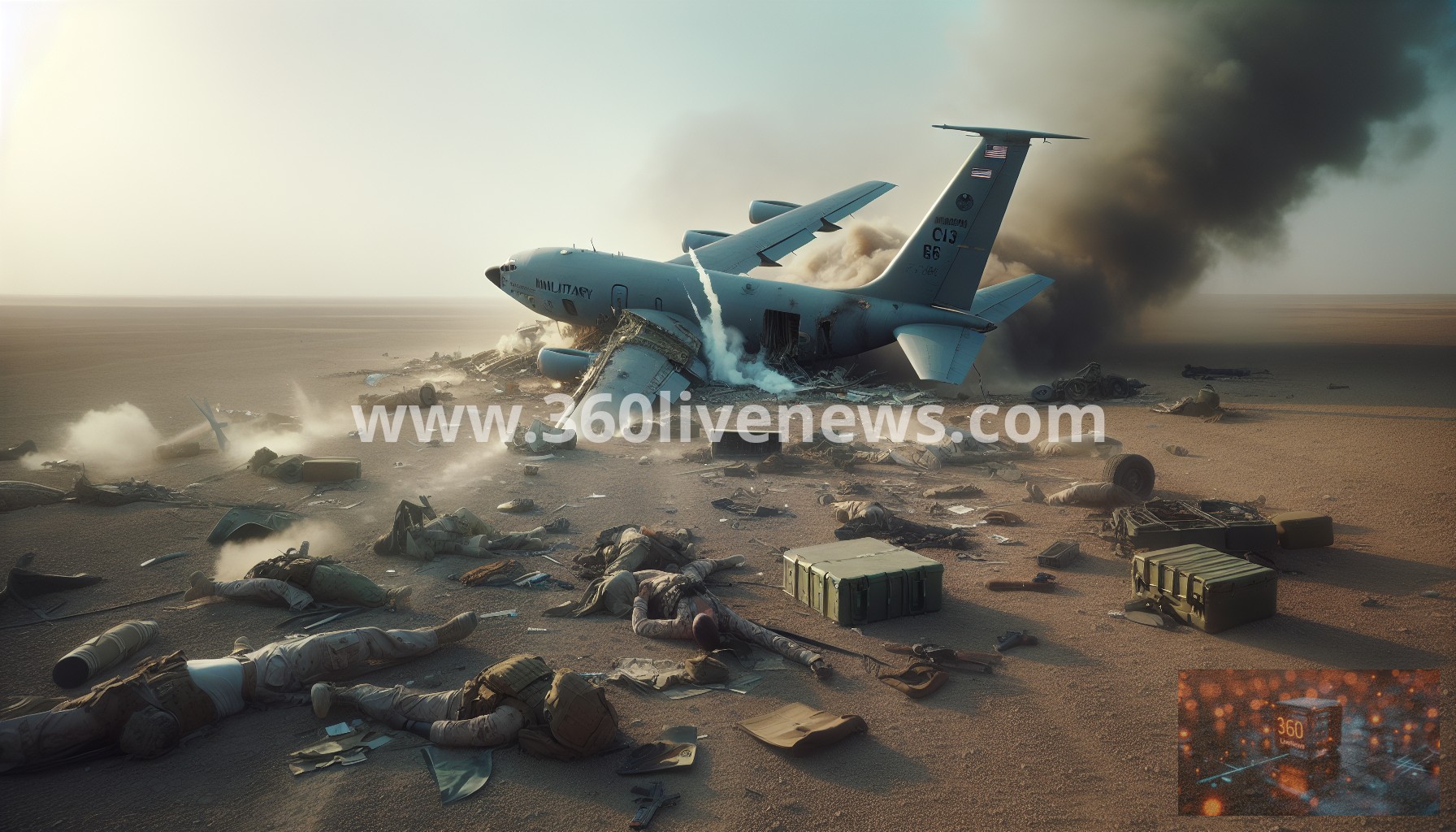
A US military KC-135 refuelling aircraft has crashed in western Iraq after a suspected mid-air collision involving another KC-135. The incident occurred during US operations in the region, prompting immediate rescue efforts to locate the crew members on board the downed aircraft, which is reported to have had at least five personnel. The second aircraft involved in the incident managed to land safely, according to US Central Command (Centcom).
Central Command has stated that neither hostile nor friendly fire was a factor in the aircraft's loss. Instead, the crash was described as a tragic event occurring “in friendly airspace during Operation Epic Fury,” as cited by Centcom. This operation signifies ongoing military efforts involving US forces in Iraq, primarily focusing on countering threats in the region.
The Islamic Resistance in Iraq, a group aligned with Iran, took to social media claiming responsibility for the downing of the aircraft in an apparent show of asserting national sovereignty. However, this assertion was directly contradicted by Centcom’s clarification regarding the cause of the crash, labeling it a non-hostile incident.
The KC-135 Stratotanker, manufactured by Boeing, has been an essential component of US military aerial refuelling capabilities, significantly enhancing the operational range of combat aircraft. The tanker features a crew that typically includes a pilot, co-pilot, and boom operator,a critical role for mid-air operations. Historically, these aircraft have been instrumental in significant military campaigns, including the Gulf War, to provide logistical support and extend combat reach.
In the past, similar aircraft incidents have raised security concerns, especially in volatile regions such as the Middle East. The significance of the US military presence in Iraq continues to evoke mixed reactions among local factions and regional powers alike. Recent months have seen increased tensions between US forces and Iranian-backed groups, with previous incidents highlighting the risks faced by both coalition and local forces operating in overlapping territories.
The timing of this incident may further complicate the delicate geopolitical balance in Iraq, given growing scrutiny surrounding US commitments and ongoing military operations against perceived threats from Iran. As the situation evolves, the focus will likely be on the responses from both Iraqi authorities and US military officials who must navigate operational safety amid heightened regional hostilities.
Central Command has not indicated when the rescue missions will conclude or how many personnel are actively involved. Although the immediate ground response is a priority, the ramifications of this crash may lead to deeper discussions about US military deployment strategies in Iraq. Ensuring the safety of personnel and minimizing operational risks are essential considerations for military leadership.
The ramifications of this event underscore the perilous environment in which US forces operate. The historical context of military actions in Iraq is important; notable events such as the withdrawal of US troops and subsequent resurgence of Islamic State factions reflect ongoing instability. Understanding the complex interplay between various militant groups is crucial in assessing the broader threat landscape.
In light of this incident, experts may call for a reassessment of operational protocols in active combat zones. In addition to immediate rescue efforts, broader strategic implications will likely emerge as military leadership assesses the evolving threat landscape presented by groups that might not adhere to conventional warfare practices. This incident reiterates the precarious nature of air operations in contested environments.
#Iraq #USMilitary #KC135 #CentralCommand #OperationEpicFury #IslamicResistanceinIraq #MidAirCollision #USOperations
