Tens of thousands protest austerity reforms in Brussels, with estimates of participation ranging from 80,000 to over 100,000
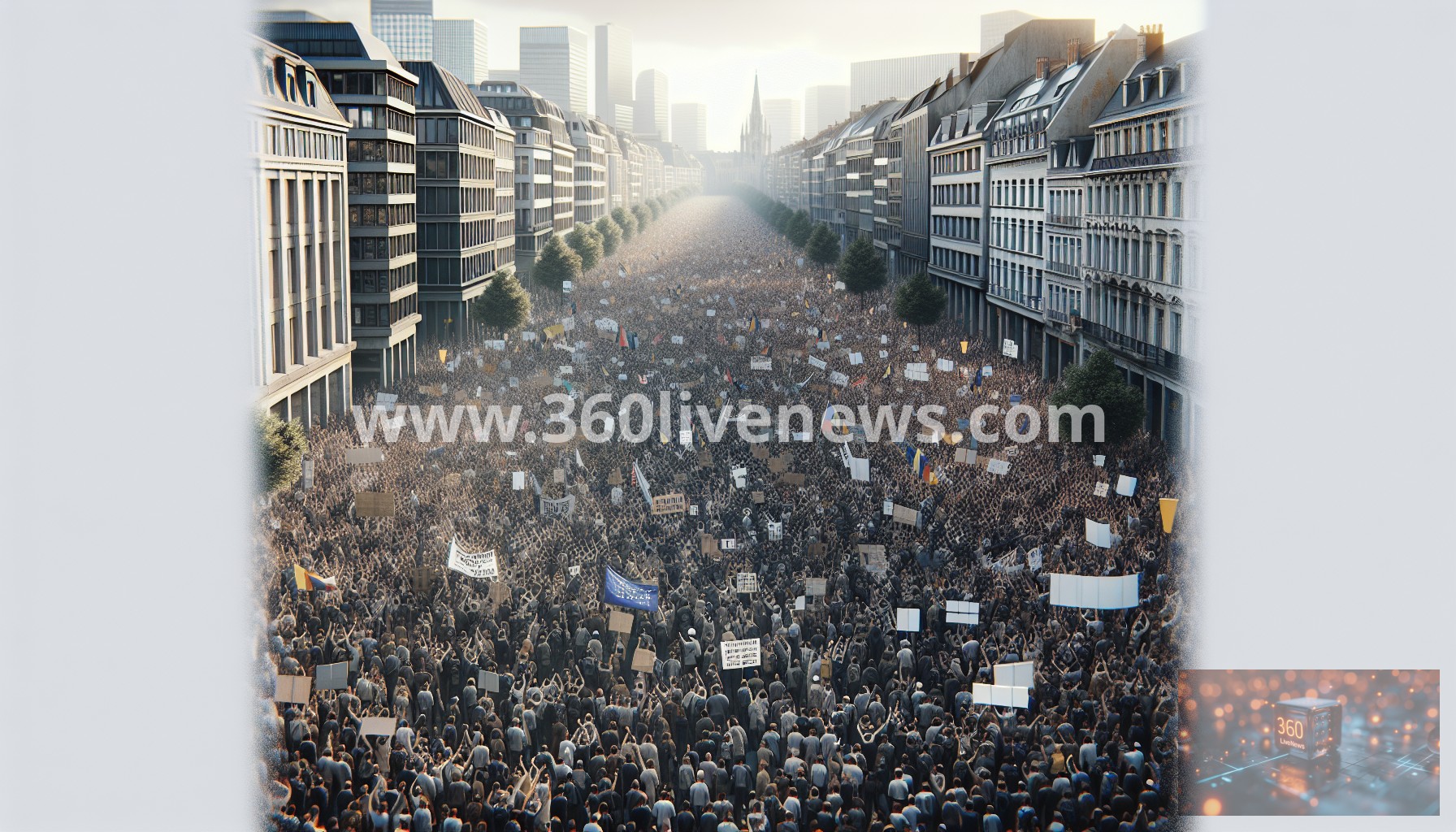
In a significant demonstration, tens of thousands of protesters marched through the streets of Brussels to oppose the austerity reforms implemented by the government of Prime Minister Bart De Wever. Police estimates place the participation around 80,000, although union representatives claim that the number exceeded 100,000. Protesters expressed their discontent with banners and chants, marking a substantial turnout against the controversial measures.
The protests were part of a broader mobilization initiated by trade unions in response to proposed changes in the pension and unemployment systems. This event highlights rising tensions surrounding economic policies that many believe disproportionately affect lower and middle-income families. The scale of the protests indicates a growing discontent within the populace toward the government's austerity measures aimed at fiscal consolidation and budget reductions.
During the march, some instances of scuffles were reported as police engaged with demonstrators. Medics were seen attending to injured participants, although officials stated that the protests remained largely peaceful overall. The governmental approach to managing the demonstration has drawn scrutiny as the city faces evolving public sentiment towards economic reforms.
The austerity initiatives have emerged from the government's commitment to reducing public debt and stimulating economic efficiency. However, critics argue that such measures often lead to cuts in essential services, exacerbating poverty levels and undermining public welfare. The political opposition to De Wever's administration has capitalized on these sentiments, framing the reforms as harmful to the welfare of Belgian citizens.
This protest is not an isolated event; it reflects a broader trend of social unrest occurring in Europe, where austerity measures have sparked public dissent in various nations. In previous incidents across the continent, similar waves of protests have emerged in response to government policies perceived as detrimental to social equity. Such unrest often manifests in large-scale demonstrations that pose challenges to governing authorities.
The economic backdrop for these protests includes lingering effects from recent financial crises that have compelled many governments to re-evaluate their fiscal strategies. In Belgium, the austerity measures are aimed at addressing budget deficits while attempting to maintain public trust. However, as public discontent grows, the effectiveness of these reforms is called into question.
Political analysts suggest that the ongoing protests may influence further discussions within the Belgian parliament regarding the direction of economic policy. As trade unions assert their role in advocating for workers' rights, the implications of these movements could lead to shifting political alliances and possible changes in governance. The long-term outcomes from such public demonstrations could potentially reshape Belgium’s political landscape as citizens demand greater accountability and representation concerning economic decisions that affect their daily lives.
Authorities are currently monitoring the situation, seeking to maintain order while respecting citizens' rights to free expression. Meanwhile, the protest underscores the complex dynamics between government initiatives and public sentiment, revealing a critical juncture in Belgium's socio-political discourse.
#protests #austerity #Brussels #BartDeWever #tradeunions #economicpolicy #publicwelfare #socialunrest
