Repatriation of bodies of 84 Iranian sailors killed in US Navy submarine attack to begin today, confirms Sri Lanka's defence ministry
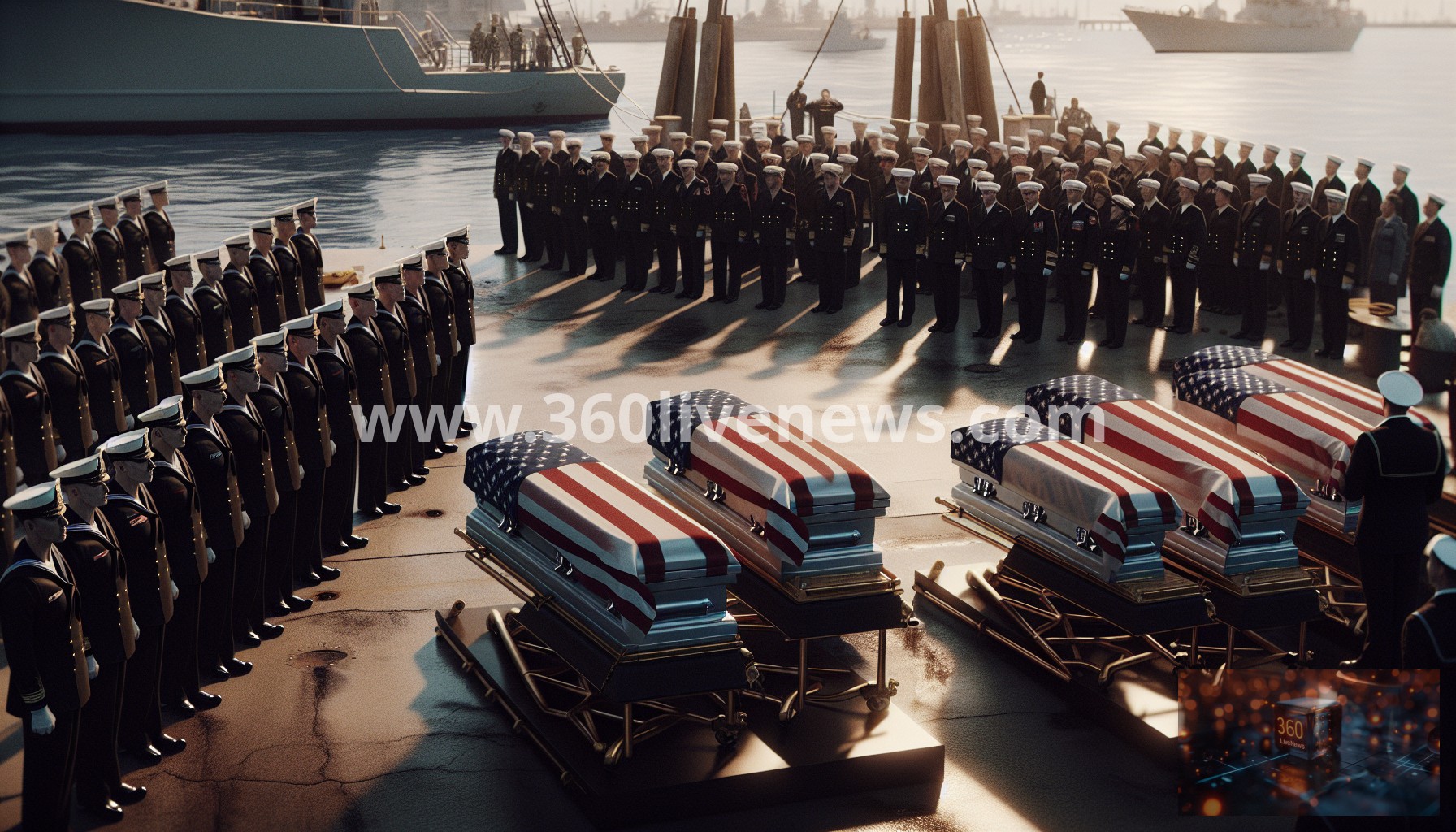
The repatriation of the bodies of 84 Iranian sailors killed in a torpedo attack by a US Navy submarine is set to commence today, as confirmed by Sri Lanka's defence ministry. The sailors were part of a crew from the Iranian warship, Iris Dena, which was reportedly sunk on 4 March approximately 40 km (25 miles) off Sri Lanka's southern coast.
The attack resulted in the sinking of the Iris Dena when it was thought to be carrying around 130 seafarers. A police escort transported the bodies to Mattala Rajapaksa International Airport for their return to Iran. These remains had previously been stored in two freezers at Galle National Hospital. This retrieval and repatriation operation is being conducted shortly after the incident, reflecting the urgent circumstances surrounding the loss of life.
As the international maritime community watches closely, the incident sends ripples through diplomatic relations, with the possible implications for regional stability being a crucial concern. The Sri Lankans confirmed that 32 sailors were rescued by their navy following the attack and are currently remaining in Sri Lanka. The Sri Lankan judiciary has mandated the authorities in Galle to release the bodies to the Iranian embassy, showcasing a procedural step in what is a potentially politically sensitive matter.
This maritime disaster occurred in a crucial strategic location, the Indian Ocean, which has long been viewed as a potential flashpoint for military and political tensions. The Strait of Hormuz, through which a significant portion of the world's petroleum passes, remains a pivotal area for geopolitical maneuvering. As such, the repercussions of such incidents may lead to heightened vigilance among naval forces operating in surrounding waters.
The Iranian government has condemned the attack, calling it an egregious violation of international maritime law. Reports from Iranian officials have underscored the call for accountability regarding the circumstances leading to the torpedo strike. During times of increasing maritime disputes, such incidents can escalate tensions not only between Iran and the United States but also involving other regional powers monitoring activities in the area.
Historically, the maritime conflicts surrounding Iran have often stemmed from its strategic positioning and controversial policies, especially concerning its naval operations. The United States has maintained a strong naval presence in the region, which adds layers of complexity to interactions with Iranian forces. The situation remains supercharged as new military engagements prompt both nations to reassess their strategies moving forward.
International observers have expressed concern over the ramifications for both diplomatic relations and maritime safety. The Iranian sailors’ deaths, coupled with rising tensions in the area, could lead to potential retaliatory actions from Iran or increased military readiness from the US and its allies in the Indian Ocean. The aftermath of the attack may provoke further discussions at international forums about maritime security and the enforcement of navigational rights in contested waters.
As the bodies of the deceased are prepared for repatriation, sentiments of grief and anger have surfaced among the families of the sailors, whose lives were tragically cut short amidst escalating tensions. The Iranian community may expect ceremonies and public mourning in the wake of this incident, reflecting broader societal sentiments regarding national pride and valor at sea.
This incident underlines the significance of maritime governance and the principles laid out by international treaties aimed at ensuring safety at sea, including the United Nations Convention on the Law of the Sea. The attack’s specifics raise questions about the enforcement of such laws and the accountability mechanisms in place to address violations, especially involving state actors.
#Iran #UnitedStates #IrisDena #MilitaryTension #MaritimeSecurity #SriLanka #IndianOcean #MarineConflict
