Over 110 Confirmed Dead in US-Israel Military Operations in Iran's Kurdistan Province
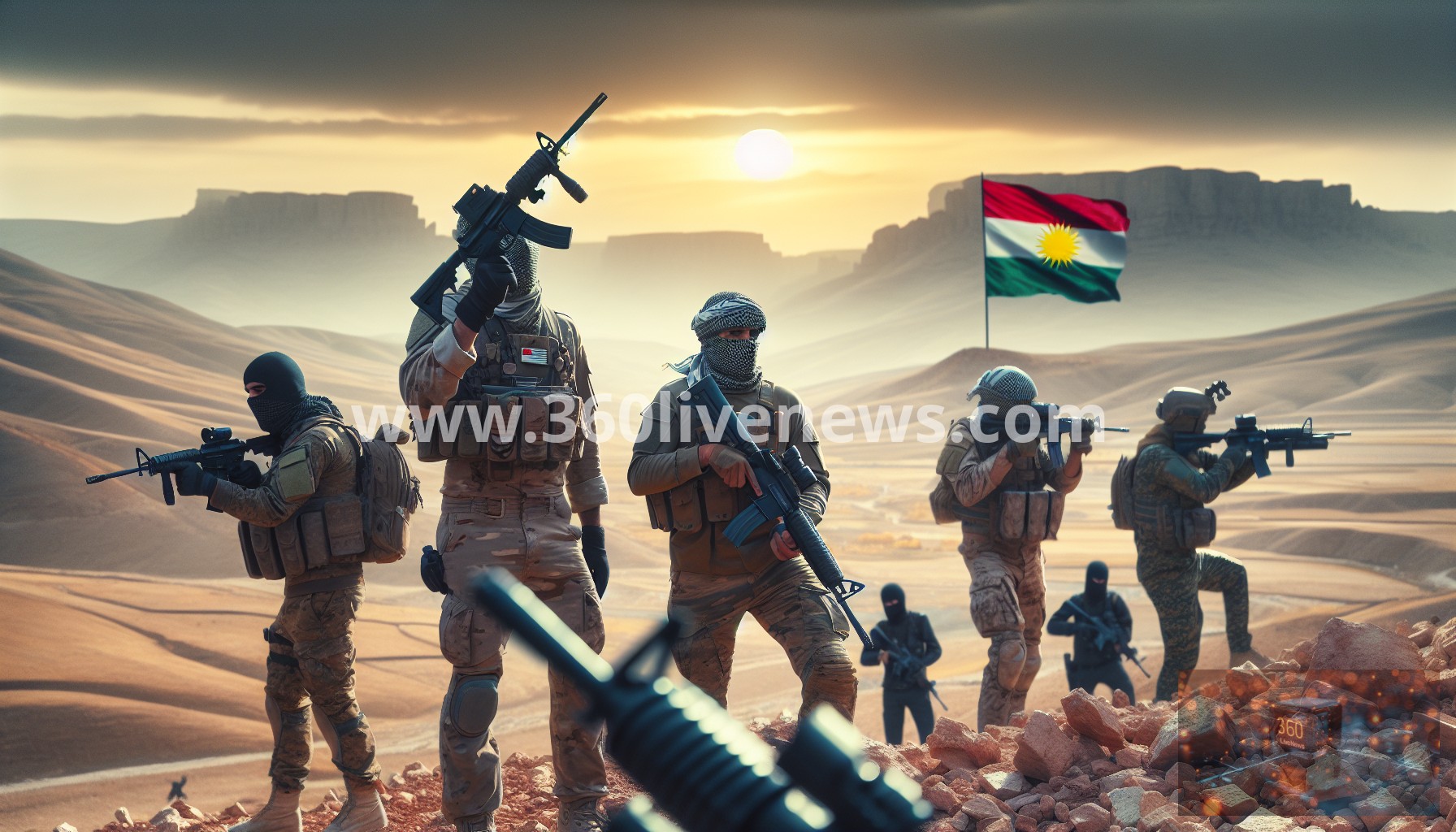
In a marked escalation of military confrontations in the Middle East, over 110 individuals have been confirmed dead following recent US-Israel attack operations in Iran's Kurdistan province. Local officials report at least 112 fatalities and approximately 969 injuries, with the regional healthcare system strained as 27 individuals remain hospitalized and five are in intensive care.
The head of the Kurdistan Provincial Emergency Department disclosed these statistics on Friday, revealing the significant humanitarian impact of these military actions. The attacks coincide with the United States' ongoing support of Iranian Kurdish forces operating from Iraq, further complicating the already volatile dynamics in the region.
As tensions rise, President Donald Trump has indicated that US forces have "totally obliterated" Iranian military infrastructure located on Kharg Island in the Strait of Hormuz. This strategic waterway is critical not only for Iran but also for global oil shipping, making any military operations in the area particularly consequential for international trade and energy markets.
In reaction to the increased military activity, Iranian retaliatory strikes have targeted both Israel and US military bases across the Middle East. These responses have disrupted major international travel hubs and have contributed to rising oil prices, raising concerns about the implications for global economies.
Reports suggest that further US military reinforcements are en route to the region. An amphibious ready group, commanded by the Japan-based USS Tripoli, is expected to bolster the current US presence. Generally consisting of around 5,000 sailors and Marines across multiple ships, this group signifies a significant increase in military readiness.
The situation is perilous, with Kurdish populations facing increased violence as Iraqi Kurdish forces are reportedly being pushed to launch ground operations against Iran. This geopolitical maneuvering reflects the multi-layered tensions within the region, where ethnic, national, and sectarian conflicts intersect.
The Kurdish community, who historically have sought autonomy across several nations including Iran, Turkey, and Iraq, now find themselves further isolated amid violent conflicts. Their unique status as an ethnic minority lacks the backing of a sovereign state, making them particularly vulnerable in the face of escalating hostilities and military operations from neighboring countries.
This latest development is critical not only for understanding the immediate impact on local populations but also for analyzing potential shifts in US foreign policy in the region. The deployment of additional military resources and reinforcement could signal a long-term commitment by the US to influence outcomes in this increasingly complicated landscape.
Understanding the ongoing repercussions of these attacks will be vital for policymakers as they navigate the intricate balance of power dynamics in the Middle East. The combination of military aggression, humanitarian crises, and the overarching political landscape requires careful consideration as global leaders respond to the deteriorating situation.
#Iran #Kurdistan #USMilitary #TrumpAdministration #MiddleEastTensions #USIsraelRelations #OilPrices #KurdishForces
