Protests in Morón, Cuba escalate with vandalism of Communist Party headquarters amid public discontent over economic issues
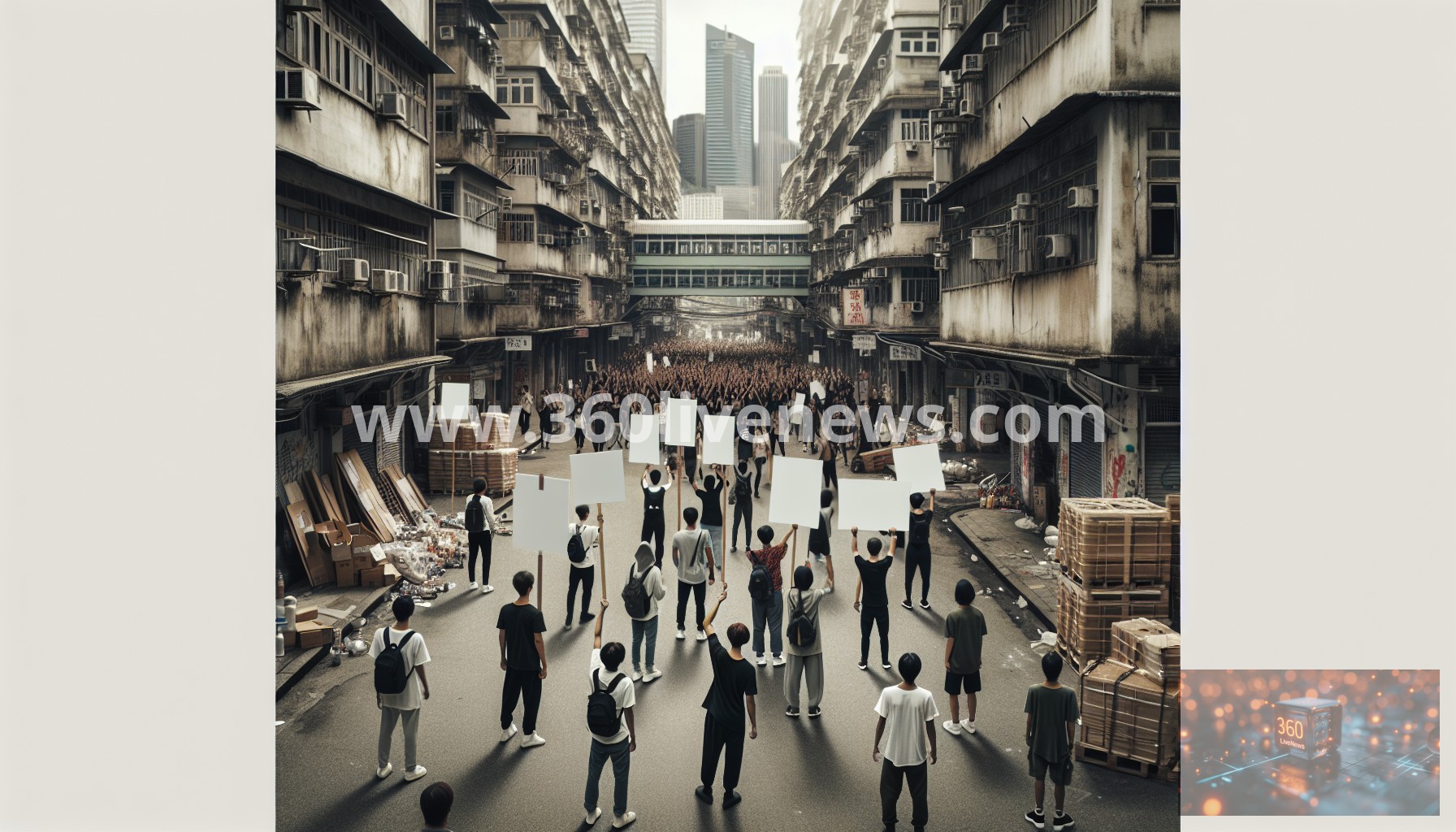
In a significant escalation of public dissent in Cuba, protesters in the central city of Morón have taken bold steps that culminated in the vandalism of the local Communist Party headquarters. This act of defiance reflects the growing frustrations among citizens over economic hardship and political repression. Eyewitnesses reported that the protest turned violent as demonstrators expressed their dissatisfaction with the government, leading to a dramatic confrontation at the party's facility.
The incident in Morón is indicative of a broader wave of unrest sweeping through the nation. Citizens have been calling for greater freedoms and a response to worsening economic conditions. Recently, the Communist Party has faced mounting pressure amid a prolonged economic crisis that has deeply affected the population. As the government continues to grapple with these challenges, this protest marks a significant moment in Cuba’s ongoing struggle for political expression.
This demonstration is not an isolated event but is part of a series of protests that have emerged across various Cuban cities. Earlier protests have displayed a range of grievances, from shortages of basic goods to demands for free access to social media. This escalation in Morón highlights the increasingly fractured relationship between the Cuban government and its citizens.
Local reports detail that the protesters expressed their anger through graffiti and fire, with the local Communist Party headquarters suffering significant damage. This reflects not only the urgency of their message but also the level of desperation felt among many Cubans, exacerbated by years of economic decline and a lack of political reform. Strikes and protests have become more frequent, showcasing a rising tide of civil discontent against the state.
The Cuban government has traditionally responded to dissent with strict measures, often leading to arrests and detentions of activists. The recent events in Morón might provoke a harsher crackdown as authorities seek to maintain control. A spokesperson for the Communist Party condemned the vandalism, framing it as a threat to social order and stability. This could lead to increased tensions between the government and the populace in an already polarized environment.
In previous incidents, the government's response to protests has included a combination of public denouncements and targeted actions against organized dissent. The international community, including human rights organizations, has frequently criticized the repressive tactics employed by the Cuban regime, calling for reforms and respect for civil liberties. The actions taken during this latest protest may draw further scrutiny and condemnation from abroad.
Analysts suggest that the vandalism at the Communist Party headquarters is emblematic of a deeper discontent that could challenge the legitimacy of the current administration. As Cuba navigates a complex economic landscape, marked by rising inflation and shortages of essential goods, the potential for further unrest cannot be overlooked. The government’s inability to address these pressing issues may catalyze even more significant acts of defiance among the populace.
As the situation continues to evolve, the implications of these protests extend beyond mere vandalism. They signify a critical juncture for Cuba as citizens push back against decades of authoritarian rule. Understanding the historical context of Cuba's governance, economic policies, and international relations will be essential to grasp the significance of these protests fully. This civil unrest reflects a broader struggle for human rights and freedom that resonates deeply within Cuba's socio-political landscape.
The urgency of the situation in Cuba highlights the importance of continued observation and engagement from the global community. Calls for dialogue and reform resonate not just within Cuba, but also among international actors advocating for democratic governance and improved human rights across the globe. The unfolding developments in Morón serve as a potent reminder of the power of collective action and the unyielding quest for dignity among citizens facing adversity.
#Cuba #Protest #CommunistParty #CivilRights #Dissent #EconomicCrisis #HumanRights #Moron
