Dubai International Airport Experiences Travel Disruptions After Drone Attack Ignites Fire Nearby
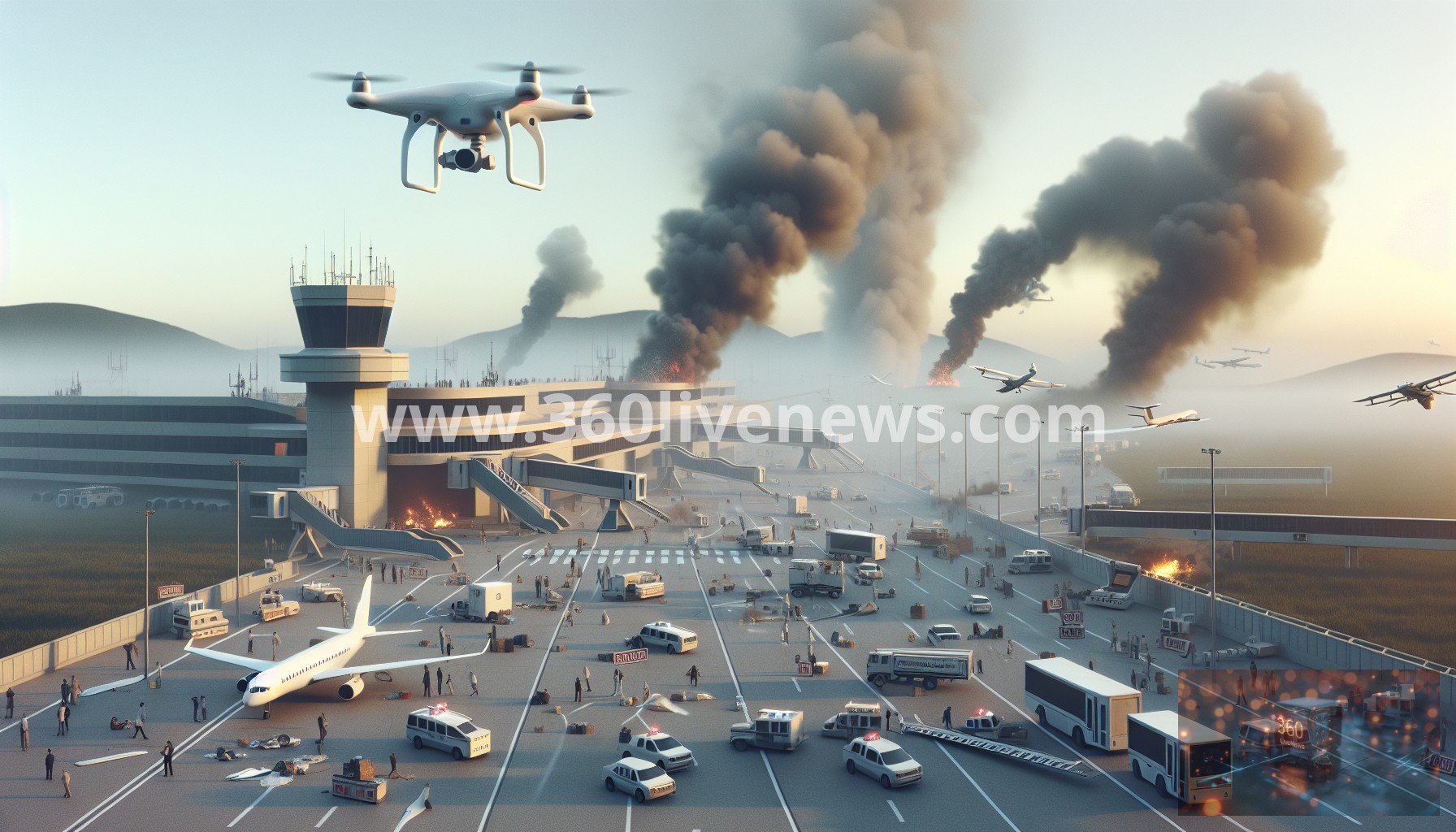
Dubai's international airport has faced significant travel disruptions following a drone attack that ignited a fire near the airport, one of the busiest in the world. The incident occurred early on [specific timeframe], prompting immediate responses from civil defence teams, who managed to contain the fire swiftly. Fortunately, no injuries were reported at the time, according to the Dubai Media Office. The attack comes amidst a tense backdrop of ongoing attacks across the United Arab Emirates (UAE), including missile strikes, as the region grapples with escalating conflicts.
The drone attack reportedly triggered the temporary suspension of flights around 1.30am in Dubai, as confirmed by Dubai's Civil Aviation Authority. While some flights were diverted to Al Maktoum International Airport, the authority emphasized that the suspension was a precautionary measure aimed at safeguarding all passengers and airport staff. The latest disruptions have raised further concerns among international travelers as the UK Foreign Office has issued warnings against non-essential travel to the UAE amid these conflicts.
In parallel to the incidents in Dubai, a missile attack in Abu Dhabi resulted in the death of a civilian. This attack underscores a worrying trend of increased military actions throughout the UAE, where missile and drone attacks have become more frequent. Reports indicate that a Palestinian civilian was killed on the outskirts of the capital due to these strikes, raising fears about civilian safety in the region.
Earlier reports indicate that similar drone attacks were executed on oil infrastructure in Fujairah, contributing to fears of a wider disruption in critical energy supplies. These incidents unfolded just a day after Iranian Foreign Minister Abbas Araghchi made assertions regarding retaliatory actions, claiming that rockets had been launched from UAE territory. The UAE government, however, has denied these claims. The conflict, marked by tensions involving various regional actors, continues to evolve rapidly, highlighting the volatility in the Middle East.
The timing of these events is crucial, given the historical context regarding tensions between Iran and its regional neighbors. The ongoing turmoil in the region has repercussions far beyond its borders, particularly concerning global oil supplies. With the Strait of Hormuz being a vital oil shipping corridor, any disturbances in this area directly impact oil prices and supply chains worldwide. Observers note that the strike near Dubai is indicative of a larger pattern of conflict that threatens commercial activities in the region.
This escalation comes against a backdrop of broader geopolitical implications, particularly involving Iran. The strategic importance of the Strait of Hormuz has drawn international attention, as vessels now face increased risks of navigational disruptions from military activities in the area. With India expressing cautious optimism about diplomatic discussions with Iran, the region's maritime security remains highly precarious. As of now, two Indian-flagged vessels successfully navigated the strait under special circumstances, but approximately twenty-two others remain stalled, awaiting clearance.
In the context of international response, US officials have raised their concerns about the situation. The de facto blockade implemented by Iran over the Strait of Hormuz has resulted in an unprecedented crisis in global energy and trade flows. During these turbulent times, US President Donald Trump has pressured European allies to enhance military presence in the region, arguing that failure to respond could have dire consequences for NATO. However, responses from European nations have been muted, as many countries, including Australia, France, Japan, and the UK, have signalled their reluctance to engage further militarily in the region.
In light of these developments, the recent drone attacks raise pertinent questions regarding regional security and the safety of international travelers in the UAE. As flights resume gradually, the ramifications of the increased military actions will likely influence travel advisories and the strategic decisions of many nations involved. The situation remains fluid, and the potential for further escalations complicates the already intricate political landscape in the Middle East.
#Dubai #DroneAttack #AbuDhabi #UAE #MissileAttack #StraitOfHormuz #Iran #GlobalTrade
