Ecuador deploys over 75,000 police and military personnel to combat drug-related violence in four provinces
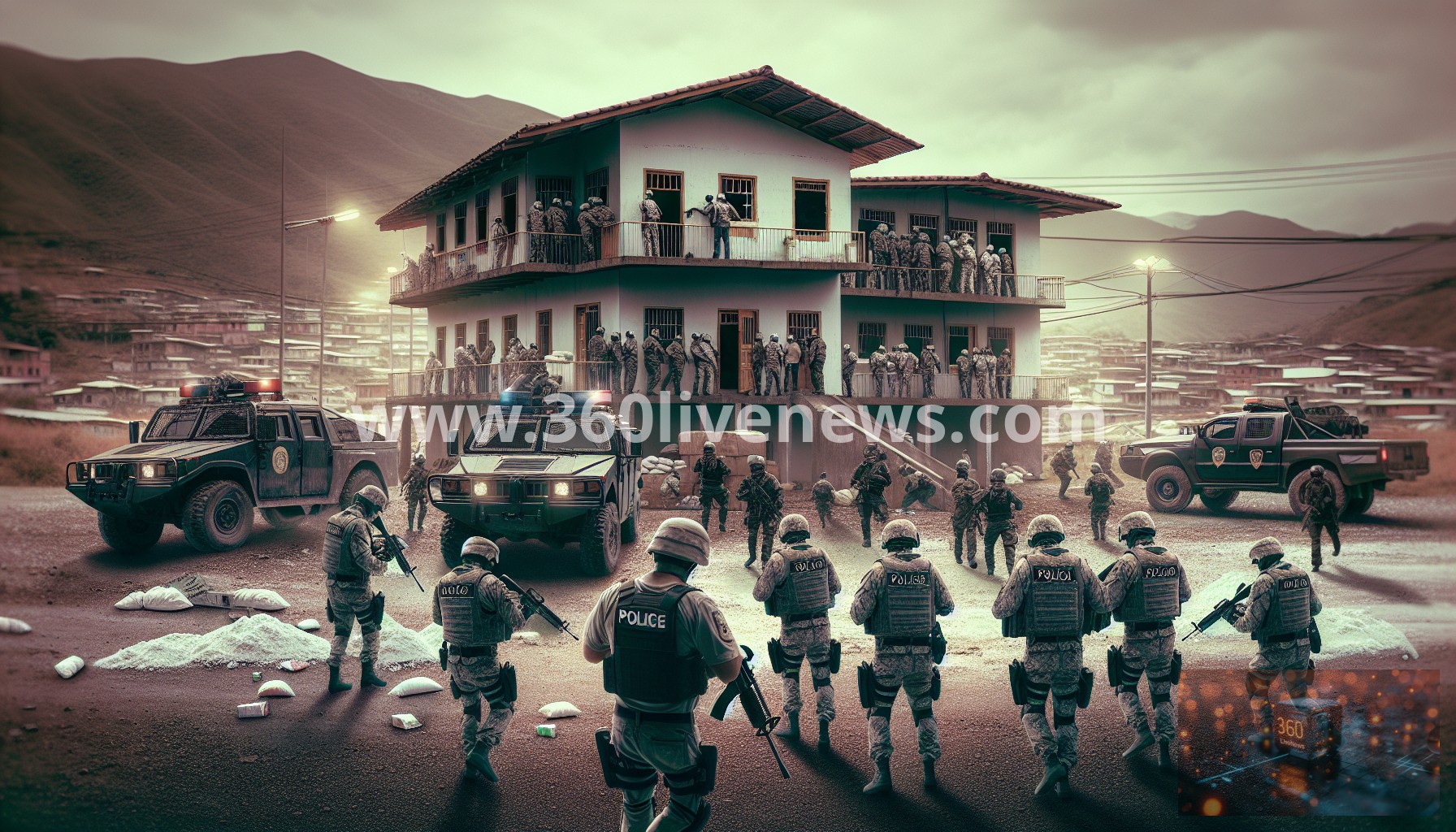
The Ecuadorian government has escalated its efforts to combat drug-related violence by deploying over 75,000 police officers and military personnel across four provinces that have been significantly affected by criminal activity. The deployment, which includes the imposition of a curfew in these regions, represents a "new phase" in President Daniel Noboa's administration's strategy against criminal gangs described as part of an ongoing "war" on drugs. Interior Minister John Reimberg emphasized the government's resolve, stating to the residents of the provinces, “We're at war.”
This latest move comes as part of a broader initiative to tackle the rising problem of drug trafficking and violence that has gripped Ecuador in recent years. The provinces targeted are El Oro, Guayas, Los Ríos, and Santo Domingo de los Tsáchilas, all witnessing a surge in violent crime, largely attributed to the activities of powerful drug gangs. This effort follows a record murder rate reported in 2025, indicative of worsening public security in the country.
Under President Noboa, who took office in November of 2023, the government's stance towards drug-related issues has included joining a US-led coalition comprising 17 nations aimed at dismantling criminal cartels across the Western Hemisphere. This partnership highlights a regional approach to confronting the complexities of drug trafficking, which transcends national borders and feeds into global supply chains.
In addition to this military deployment, the declared curfew aims to restore order and safety in affected areas. The curfew not only limits the movement of potential criminals but also seeks to reassure citizens who have been severely impacted by incessant violence. Many families in these provinces have lived in fear as confrontations between law enforcement and gangs have turned deadly, often resulting in civilian casualties.
The government's decisive action underscores a significant pivot in public policy aimed at enhancing internal security. Ecuador's escalating violence has been characterized by brutal clashes among gangs, often resulting in civilian casualties and placing immense pressure on local law enforcement. Statistics indicate that Ecuador has been grappling with a persistent rise in murder rates linked to drug trafficking and organized crime, which have surged dangerously in recent years.
Historically, Ecuador has been a transit country for narcotics, especially cocaine from Colombia. The rise of home-grown gangs, which have cultivated ties to larger international trafficking organizations, has complicated the security landscape. The alliance forged with the United States seeks to not only combat trafficking but also address the socio-economic factors fueling drug production and distribution.
Expert commentary suggests that these conditions necessitate a multi-faceted approach. A purely militaristic response may not suffice in eradicating the root causes of violence. Discussions around socio-economic development, community interventions, and political reforms are becoming increasingly prominent as necessary supplementations to military and police efforts.
Local residents express concern regarding the effectiveness of the military and police approach. Many fear that without addressing the socio-economic disparities breeding crime, the government's offensive may only produce a temporary lull in violence rather than a lasting solution. Community leaders have called for increased investment in education and social services, acknowledging that lasting change requires more than just enforcement.
As Ecuador's government pursues this aggressive strategy against organized crime, the nation stands at a crossroads. The effectiveness of large-scale deployments and curfews remains to be seen, but this pivotal moment presents an opportunity for both national and international stakeholders to collaborate on sustainable solutions while aiming to restore security and order within the country.
#Ecuador #DrugViolence #Curfew #SecurityForces #DanielNoboa #CriminalGangs #MilitaryDeployment #DrugCartels
