Afghan asylum seeker dies in ICE custody, prompting calls for investigation from advocacy groups and family members
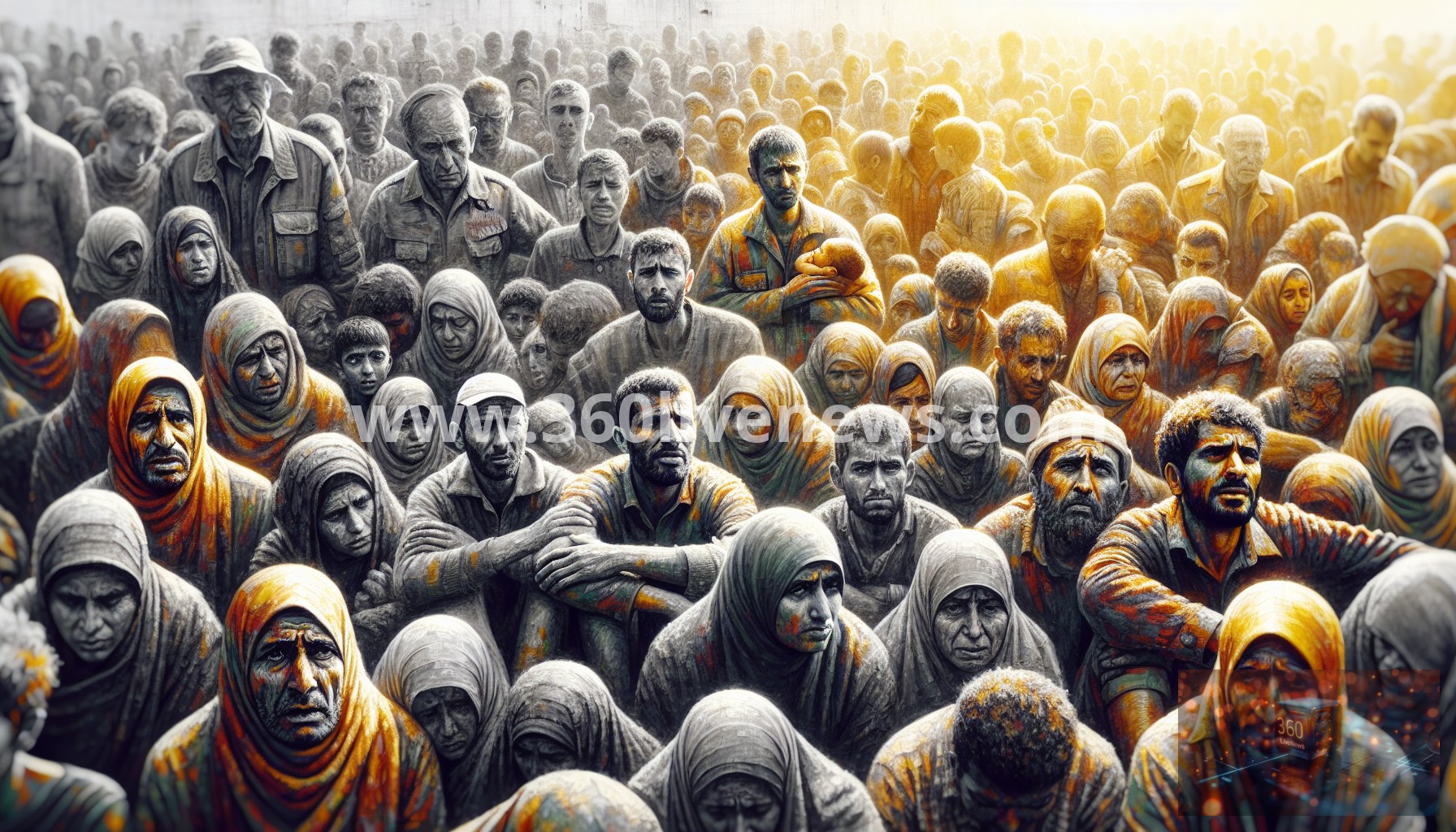
In a tragic development, Mohommad Nazeer Paktyawal, a 41-year-old Afghan asylum seeker, died less than 24 hours after being detained by U.S. Immigration and Customs Enforcement (ICE) agents. Advocacy groups and family members are now calling for a thorough investigation into the circumstances surrounding his death, which has sparked outrage across communities already wary of immigration enforcement policies. Paktyawal's death underscores ongoing tensions amidst a broader crackdown on asylum seekers in the United States.
Paktyawal was part of a group of approximately 70,000 Afghans evacuated to the U.S. following the military withdrawal from Afghanistan in 2021. He had previously worked alongside U.S. forces during the two-decade military presence in his home country. Family members described him as a "loving husband and father" of six, who was working at a halal market and bakery in Richardson, Texas, prior to his detention. The nature of his work and contributions to U.S. military efforts have raised further questions about the treatment of Afghan allies now living in the U.S.
His case highlights the current atmosphere surrounding immigration policies in the United States, characterized by heightened enforcement efforts aimed at deterring illegal immigration. The Biden administration, despite promises of reform, continues to grapple with a complex legacy of immigration legislation stemming from previous administrations, notably the Trump administration's aggressive deportation strategies. ICE recently reported an increase in apprehensions and detentions, particularly concerning those who may have previously served as allies of U.S. troops regardless of their current legal status.
The need for accountability in Paktyawal's case arises particularly because of allegations regarding the treatment of detainees in ICE facilities. Reports have consistently surfaced detailing inadequate medical care and unsanitary conditions, potentially contributing to adverse health outcomes for vulnerable populations. Such systemic issues are increasingly drawing scrutiny from human rights organizations, which argue for reform and adherence to international norms regarding the treatment of detainees.
Activists assert that Paktyawal's death is a stark reminder of the dangers faced by Afghan asylum seekers in the U.S., many of whom are fleeing threats from the Taliban. Community leaders are calling for a full investigation into the events leading up to his death. Such scrutiny is essential not only for justice for Paktyawal and his family but also to shed light on the broader immigrant and refugee experience within the U.S.
This incident also occurs against the backdrop of international human rights discourse, which calls for the protection of those who supported U.S. forces during conflicts abroad. As the U.S. has historically prided itself on being a haven for refugees, the apparent neglect of this promise is raising alarms globally. Reports from various advocacy groups indicate that many Afghans now face mounting fears of arrest and deportation, fueled by the prevailing rhetoric of mass deportations.
Furthermore, congressional responses to such cases remain critical, as lawmakers grapple with immigration reform amid partisanship. The legislative arena may soon see renewed discussions focusing on stabilizing the status of Afghans legally in the U.S., especially those who fall into vulnerable categories such as Paktyawal. Advocacy groups emphasize the importance of creating protections for Afghan allies, who risked their lives while supporting U.S. missions.
Paktyawal's death raises essential questions not only about U.S. immigration policies but also about how the nation respects the sacrifices made by individuals like him. With community rallies and vigils planned to honor his memory, a renewed sense of urgency is emerging around the need for comprehensive reform aimed at protecting asylum seekers and their families. As activists rally support and demand accountability, the eyes of the nation will gaze upon how lawmakers respond to this critical human rights issue.
In summary, the death of Mohommad Nazeer Paktyawal is indicative of the broader challenges facing Afghan asylum seekers in the U.S. today. His family's plea for answers and the call for an investigation signify a moment for reflection on immigration policies and the historical commitment to those who have aided American efforts abroad. As advocates push for change, it remains imperative that both the community and policymakers address the systemic issues at play in the treatment of immigrants and their families.
#US-ICE #Afghanistan #ImmigrationReform #ICEcustody #HumanRights #AsylumSeekers #Advocacy #Accountability
