Afghanistan accuses Pakistan of airstrike on Kabul hospital, resulting in over 200 deaths and increased tensions between nations
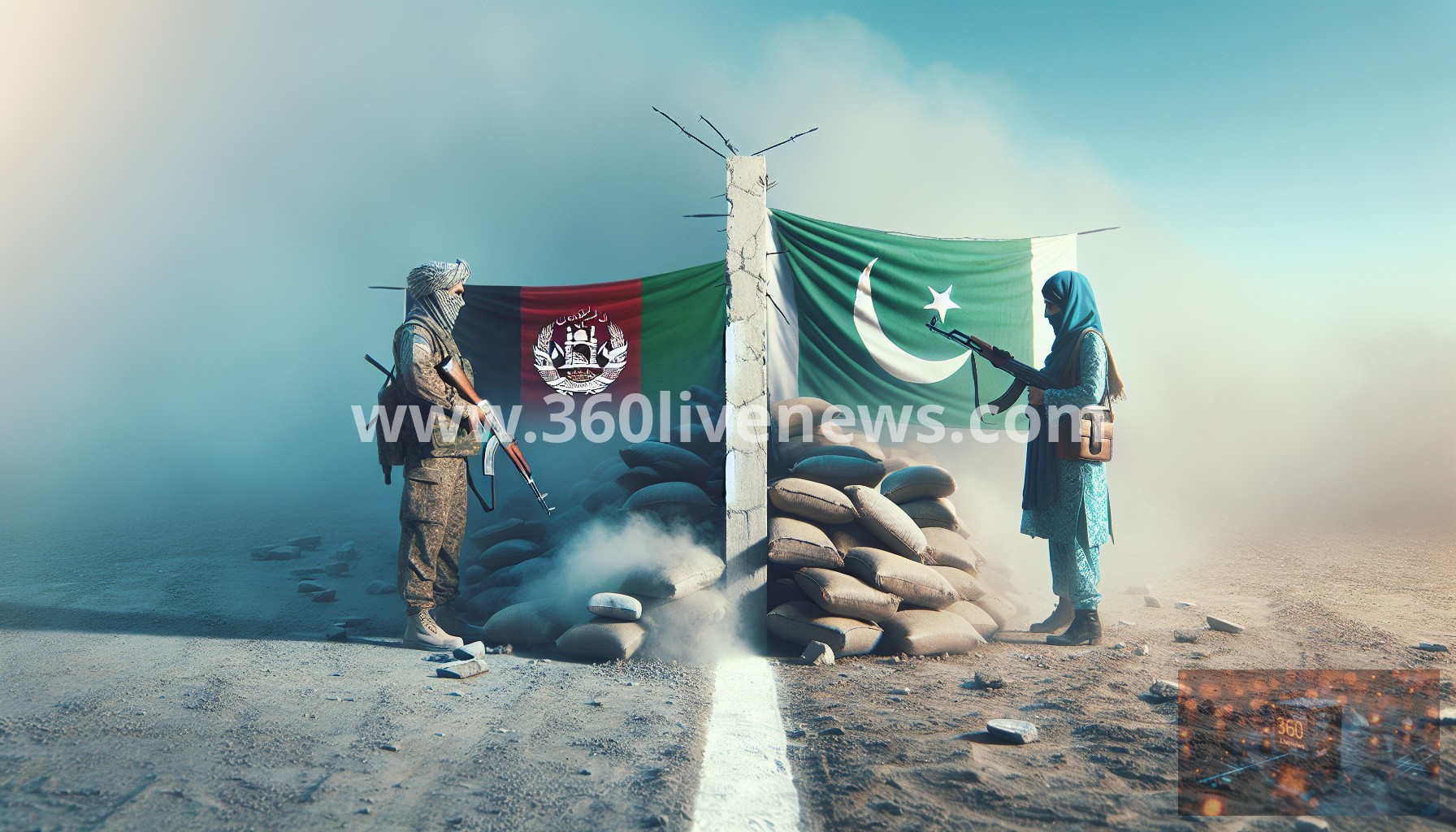
Afghanistan has accused Pakistan of conducting a deadly airstrike on a hospital in Kabul that specializes in treating drug addiction, resulting in the deaths of more than 200 individuals. The incident has heightened tensions between the two nations, with Sharafat Zaman, a spokesman for the Afghan health ministry, asserting that all sections of the facility were destroyed. He noted that around 3,000 drug users were receiving treatment at the center when the strike occurred, amplifying the tragedy associated with the attack.
The accusation from Afghanistan comes in the context of Pakistan's denial of any targeting of civilian sites during its military operations. Pakistan has stated that its strikes in the capital and in other regions of eastern Afghanistan were directed solely against militant targets. This assertion, however, stands in stark contrast to the claims made by Afghan officials, leading to a rapid escalation in diplomatic tensions amidst ongoing challenges related to drug abuse and addiction in the region.
Amid the unfolding crisis, the Afghan government has called for international condemnation and intervention in response to what it labels as a severe violation of humanitarian standards. The incident raises critical questions about the operational conduct of military forces in densely populated civilian areas, particularly regarding the prioritization of civilian lives over military objectives. Reports indicate that there was significant damage beyond loss of life, with the Afghan health ministry highlighting that those in treatment at the facility now face a dire lack of options for recovery.
The background of such tensions is rooted in the complex socio-political tapestry of the region, where the intertwined history of both countries has been marked by conflict and rivalry. Afghanistan has long struggled with a persistent drug epidemic, worsened by decades of war, which, ironically, has both fueled and been fueled by external military interventions, including those led by Pakistan and other regional actors.
The geographical significance of Kabul, situated in a tumultuous region rife with conflict, underscores the precarious nature of efforts to stabilize community health initiatives. Areas like Kabul have served as focal points in the broader dynamics of Afghanistan's multiple crises, leading to a clash between military operations and the need for humanitarian support. Events like this strike illustrate the dire circumstances faced by vulnerable populations, particularly those afflicted by addiction, as they often bear the brunt of military actions incorrectly targeting combatants.
The political implications of this incident extend beyond immediate casualties, suggesting a resurgence of regional hostility as both Afghanistan and Pakistan grapple with internal challenges while being influenced by global drug markets. The recent spike in fatalities reportedly underscores the ongoing complexity of regional security and public health as interconnected issues: both must be addressed to pave the way for sustained peace and recovery in Afghanistan.
Notably, the health ministry's figure concerning the number of casualties has been shared widely across various platforms, highlighting the importance of accurate reporting in humanitarian crises. The Afghan government has called upon international organizations and human rights groups to investigate the incident thoroughly. The significance of this call stems from a broader narrative within the region regarding accountability for military actions and adherence to norms governing civilian protection during warfare.
As the situation develops, the fate of those affected by the closure of the drug treatment facility underscores the urgent need for a reevaluation of military strategies in counter-terrorism efforts. An intersection between humanitarian concerns and military objectives poses significant challenges, demanding a nuanced approach to managing conflict in sensitive areas that house vulnerable populations. This narrative is now driving discussions within policy circles about the need for a reformed framework that prioritizes health and security without compromising lives.
In summary, the tragic strike on the drug treatment hospital in Kabul not only raises alarming statistics of casualties but also embodies the complex reality confronting Afghanistan amid its ongoing health crises. Experts in international relations and public health advocate for immediate attention to such issues as both the global community and regional actors navigate the treacherous waters of conflict. The challenge lies in balancing military action with a steadfast commitment to protecting civilian lives and safeguarding public health, making this incident a crucial point of contention in the evolving geopolitical landscape of South Asia.
#Pakistan #Afghanistan #DrugAddiction #TreatmentFacility #HumanRights #Military #Healthcare #RegionalEconomy
