China and Vietnam to Conduct Live-Fire Drills During Naval Exercises at Fangcheng Port
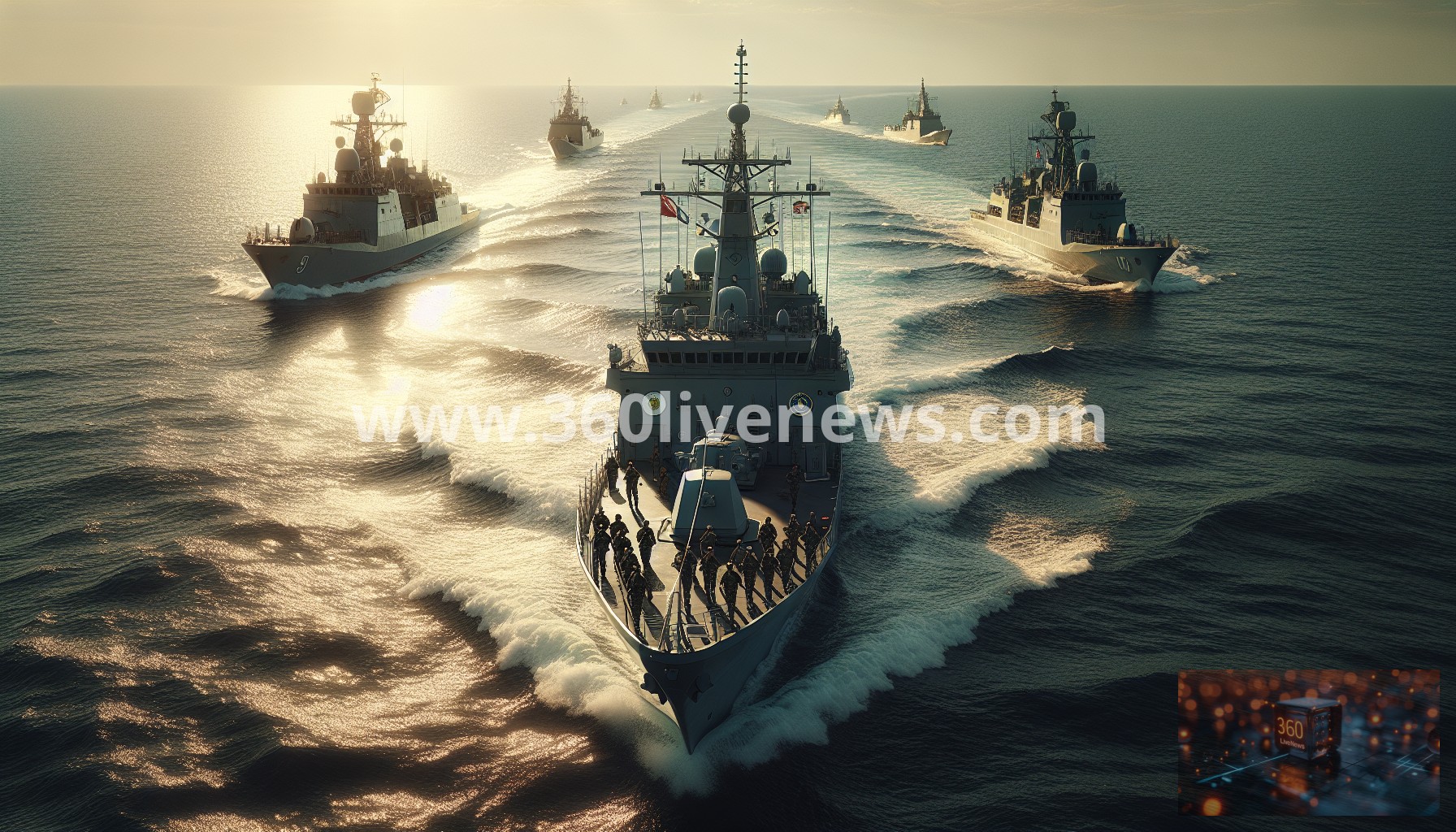
In a significant development in military cooperation, China and Vietnam have agreed to conduct live-fire drills as part of their ongoing naval exercises. This agreement was formalized during a courtesy meeting of naval commanders on Monday at Fangcheng port, located in Guangxi, southern China. The announcement follows the arrival of Vietnamese frigates, Tran Hung Dao (hull number 015) and Ly Thai To (012), which joined the People's Liberation Army (PLA) Navy vessels for their 40th joint patrol and training exercise.
The live-fire drills are aimed at enhancing the capabilities of both navies in anti-piracy training modules and mark a pivotal shift in the nature of their military collaboration. Historically, China and Vietnam have engaged in various joint training initiatives, but the introduction of live-fire exercises signifies a notable escalation in their joint operational sophistication. Such drills could improve response protocols against possible maritime threats and bolster security along their contested waters in the South China Sea.
This development occurs against a backdrop of fluctuating diplomatic relations between the two nations. Although tensions have arisen in the past, especially concerning territorial disputes in resource-rich maritime regions, the recent agreement highlights a concerted effort to prioritize cooperation over conflict. Vietnamese leader To Lam has recently emphasized the importance of strengthening ties with China, indicating that collaborative military exercises are now a 'top priority' for Vietnam.
The ongoing military exercises not only reflect the evolving dynamics of China-Vietnam relations but also position both nations within broader geopolitical frameworks. With major global powers increasingly asserting their dominance in the region, the outcomes of collaborative exercises could influence naval power balances, particularly as regional security concerns remain heightened. The South China Sea is a pivotal arena where territorial claims and rights to natural resources often lead to confrontations.
As the exercises continue, it is expected that both sides will assess their operational strategies and capabilities, taking joint initiatives to another tier. This partnership may also be viewed through the lens of strategic regional realignments as both countries seek to navigate their interests vis-à-vis external forces. The mutual decision to engage in complex naval drills can be viewed as a diplomatic maneuver, with both China and Vietnam signalling a willingness to tackle mutual security concerns collaboratively.
Experts suggest that expanding naval cooperation could lead to more substantial dialogues addressing security, trade, and maritime disputes, paving the way for enhanced bilateral relations that could transcend military collaboration. From China's perspective, this joint initiative bolsters its influence in Southeast Asia, reaffirming its standing in regional security affairs. Meanwhile, Vietnam aims to secure its national interests while assuring its populace of its commitment to protect its territorial integrity.
The ramifications of the expanded naval exercises extend beyond bilateral relations, touching upon the overall security architecture of Southeast Asia. With the context of rising tensions in the region, facilitated by external actors, ongoing military collaboration provides both nations a strategic platform to manage collective security threats effectively. Analysts indicate that a successful series of joint drills may incentivize further cooperation, not only between China and Vietnam but potentially with other regional nations seeking stability in the midst of volatility.
In conclusion, the agreement to embrace live-fire drills symbolizes a turning point in China-Vietnam military collaboration, aimed at addressing shared challenges and securing maritime routes. By actively pursuing advanced military exercises, both nations can establish a precedent for continued engagement and a framework for conflict resolution. Looking ahead, the implications of this agreement will be closely monitored as it could redefine regional security dynamics in the evolving geopolitical landscape.
#China #Vietnam #NavalExercise #MilitaryCooperation #SouthChinaSea Geopolitics">#Geopolitics #PLA #ToLam #Frigate #AntiPiracy #LiveFireDrills #MilitaryStrategies #SoutheastAsia
