Pakistan Intensifies Air Campaign Against Taliban in Afghanistan Amid Border Tensions
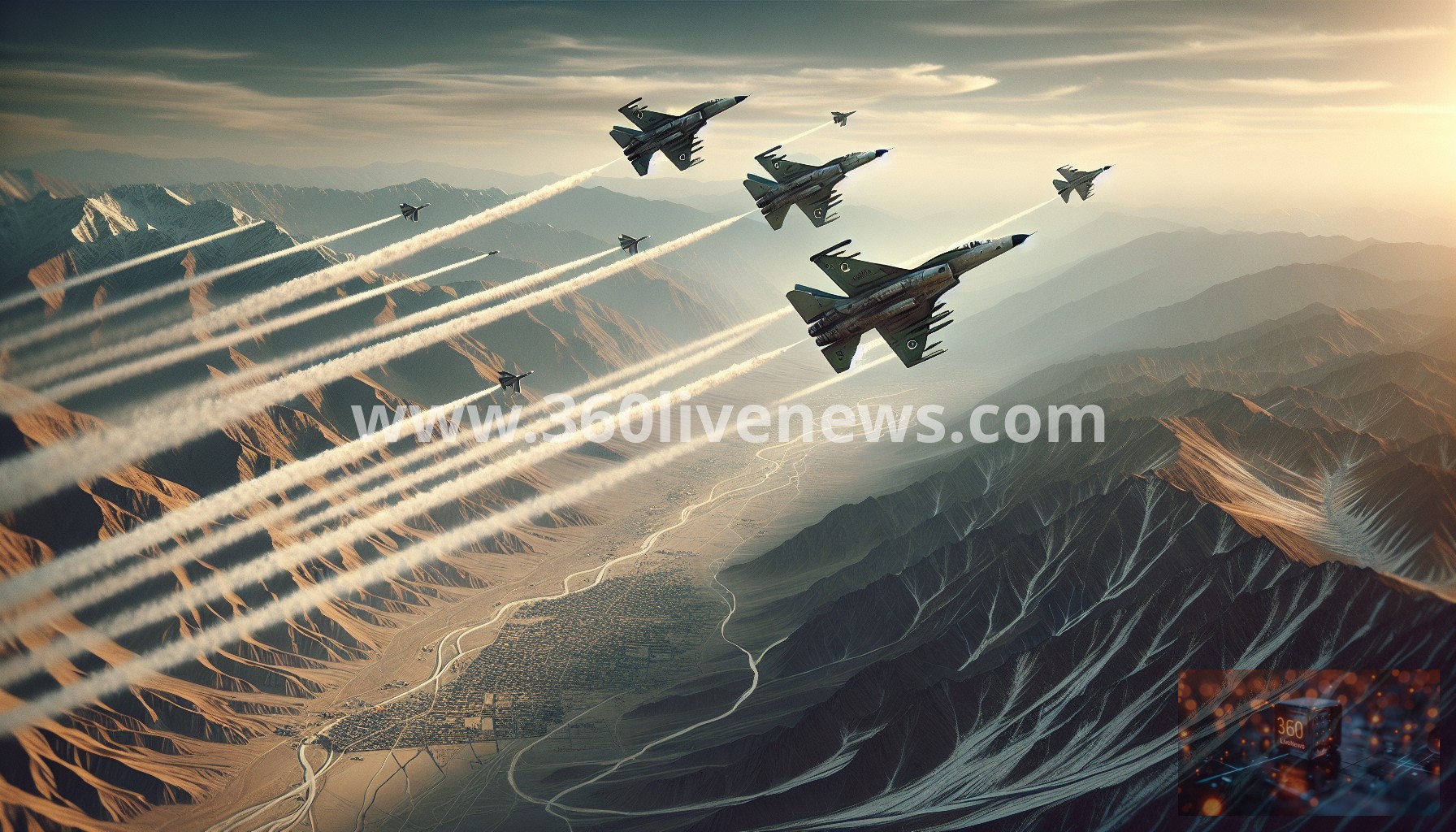
In a significant escalation of hostilities, Pakistan has intensively ramped up its air campaign against targets in Afghanistan, aiming to pressure the Taliban into severing ties with militant groups that have been launching attacks across the border. This operation, which officials have named Ghazab lil-Haq or "Righteous Fury," comes as Islamabad seeks to impose a heavy toll on the Taliban regime, which it accuses of facilitating terrorism on its soil. The recent airstrikes have resulted in serious ramifications, including significant casualties and accusations of civilian targeting.
Recent reports indicate that a devastating airstrike in Kabul has reportedly killed over 400 people, with Afghan authorities claiming that a drug rehabilitation center was struck during these attacks. This has led to widespread outrage and accusations against Pakistan for conducting civilian-targeted strikes. In contrast, the Pakistani government refutes these claims, insisting that the airstrikes were solely aimed at "military and terrorist infrastructure." This ongoing narrative reflects the heightened tensions between both countries, particularly since the Taliban's rule began in 2021, which Pakistan claims has provided a haven for militants hostile to its state.
Officials have stated that the airstrikes are a continuation of efforts that have intensified since the end of last month, following a surge of attacks originating from territories controlled by the Taliban. Pakistan has witnessed repeated terrorist incidents, which it alleges have been coordinated from safe havens in Afghanistan. The Pakistani military's stringent measures follow prolonged frustrations over security assurances from the Taliban government.
In the wake of this military strategy, concerns about a possible cycle of retaliation and escalating violence have surfaced among both experts and analysts. They warn that ongoing strikes can lead to an intensification of conflict between the two nations, each accusing the other of aggression. The operational framework laid out by Islamabad is viewed as defensive from Pakistan's standpoint, yet the ramifications for civilians in areas like Kabul are causing alarm, with images of desperation as families gather amid the rubble of airstrike sites, searching for missing loved ones.
Aerial operations like these have historically complicated Pakistan’s relationship with Afghanistan. The operational history of both countries has been marked by a series of military and political tensions, particularly regarding border security and militant activities. Notably, the Taliban's ascent to power has been seen as a catalyst for increased aggressiveness from Pakistan, which has maintained that for years, its patience has been tested by the Taliban's perceived inaction against groups like Tehrik-i-Taliban Pakistan (TTP).
The geopolitical implications of Pakistan's airstrikes are profound, raising fears of a recalibrated regional balance amid already strained relations with Afghanistan. As Pakistan employs its military capabilities in response to perceived threats, the potential for increased hostilities looms large. Such actions have the potential to alienate Pakistan even further from the international community, especially as it attempts to navigate its internal security challenges while managing cross-border dynamics with the Taliban.
International observers have closely monitored the developments, understanding that the ramifications extend beyond immediate border conflicts and impact broader regional stability. The United Nations and various human rights organizations have expressed concern over civilian casualties and call for restraint from both sides. Moreover, as families comb through debris in Kabul, seeking solace amidst chaos, the international community faces pressing questions regarding humanitarian responses and long-term strategies for peace-building in the region.
Despite claims of operational justification, Pakistan's strategy risks further entrenching militant sentiments and creating additional security dilemmas in the region. Experts emphasize that the ongoing cycle of violence not only threatens regional peace but also has implications for Pakistan's domestic political landscape. The necessity for coherent policy frameworks that address the underlying causes of conflict and challenge extremist ideologies remains paramount for both nations.
As this situation unfolds, the urgent humanitarian concerns remain at the forefront. Reports indicate a worsening humanitarian crisis in Afghanistan, exacerbated by the ongoing airstrikes and the Taliban's struggle to maintain control amidst internal and external pressures. The narrative of violence, compounded by accusations of aggressive military tactics, highlights the need for critical diplomatic interventions as Pakistan and Afghanistan navigate a complex and volatile landscape.
#Pakistan #Afghanistan #Taliban #airstrikes #militants #terrorism #UN #humanrights
