Cape York Peninsula residents advised to prepare for Tropical Cyclone Narelle expected to make landfall as a category four or five system
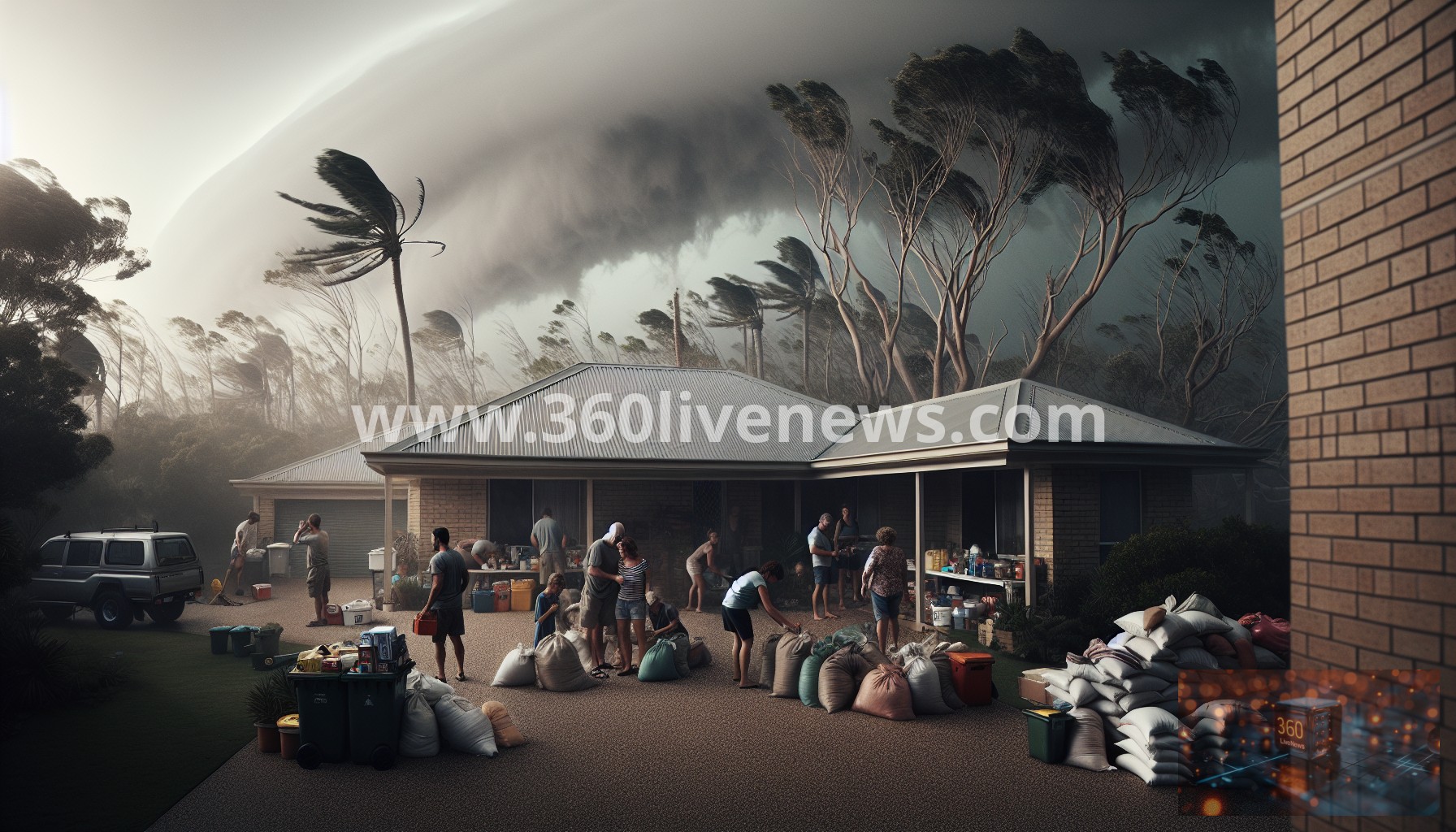
Residents on Cape York Peninsula are under urgent advisories to prepare for the impending threat posed by Tropical Cyclone Narelle, which is projected to make landfall as a powerful category four or five system on Friday morning. Local authorities have emphasized the necessity for community members to seek out sturdy buildings in which to shelter, as there are no designated cyclone shelters available in the region. The Bureau of Meteorology has provided forecasts indicating the cyclone's predicted path, confirming potential risk for both life and property.
As preparations intensify, residents are being reminded to craft safety plans that take into account the unique challenges posed by living in an area without formal cyclone shelters. Many communities are encouraged to identify "places of refuge," strong buildings that can withstand severe weather. The Bureau of Meteorology has emphasized the importance of heeding warnings and preparing necessary supplies.
The classification of Narelle threatens severe consequences, as category four and five cyclones are known for their destructive capacity. With winds exceeding 200 km/h (approximately 124 mph) expected, the potential for significant damage to infrastructure is high. Local emergency services are preparing to assist with evacuations if necessary, although specific figures for evacuations had not been confirmed at the time of reporting.
In the context of this threat, earlier events of cyclonic activity in the region serve as a reminder of the impacts such storms can have. Past incidents of tropical cyclones affecting Cape York included massive infrastructural destruction, flooding, and disruption of basic services such as electricity and water. Evaluating these earlier events can guide current emergency decisions and community responses.
This developing situation highlights the broader concerns regarding climate change and increasing frequency of extreme weather events in the region. Local officials are advocating for community resilience strategies in response to these increasing threats, emphasizing proactive planning and preparatory measures. The need for educational resources on cyclone safety and preparation could further strengthen community response to future threats.
The cyclone's impending impact coincides with reports of heightened geopolitical tensions in the region, particularly relating to responses from nations surrounding the Gulf Cooperation Council (GCC) and incidents involving Iranian military actions on its neighbors. While these conflicts may seem distant from the immediate threat of Tropical Cyclone Narelle, they underline the complex interaction between global events and local impacts, particularly as environmental sustainability becomes a critical global concern.
The situation in Cape York is a pertinent reminder of the need for all communities to remain vigilant and well-prepared for natural disasters. Cyclones wreak havoc through extensive property damage, loss of livelihoods, and they can induce lengthy recovery periods. Proper infrastructure and emergency response strategies are crucial in mitigating the disastrous effects of such weather phenomena.
As the storm approaches, clear communication from government agencies and the Bureau of Meteorology will be essential for ensuring that residents remain informed about evacuation routes, shelters, and emergency services. Mobilizing community resources proactively can ensure that fewer lives are lost and that recovery can begin swiftly in the aftermath of this potential disaster.
In addition to local preparations, the broader implications of climate patterns seen in conjunction with Cyclone Narelle point to a need for increased cooperation and support at national and international levels to tackle climate-related challenges. By addressing these hazards collectively, countries can better equip vulnerable regions to withstand the impacts of extreme weather and climate shifts moving forward.
#Cyclone #CapeYork #WeatherPreparedness #TropicalCyclone #EmergencyManagement #CommunitySafety #ClimateChange #NaturalDisaster
