Australia's first new steel mill in decades breaks ground in Ipswich, Queensland, to support construction for Brisbane 2032 Olympics
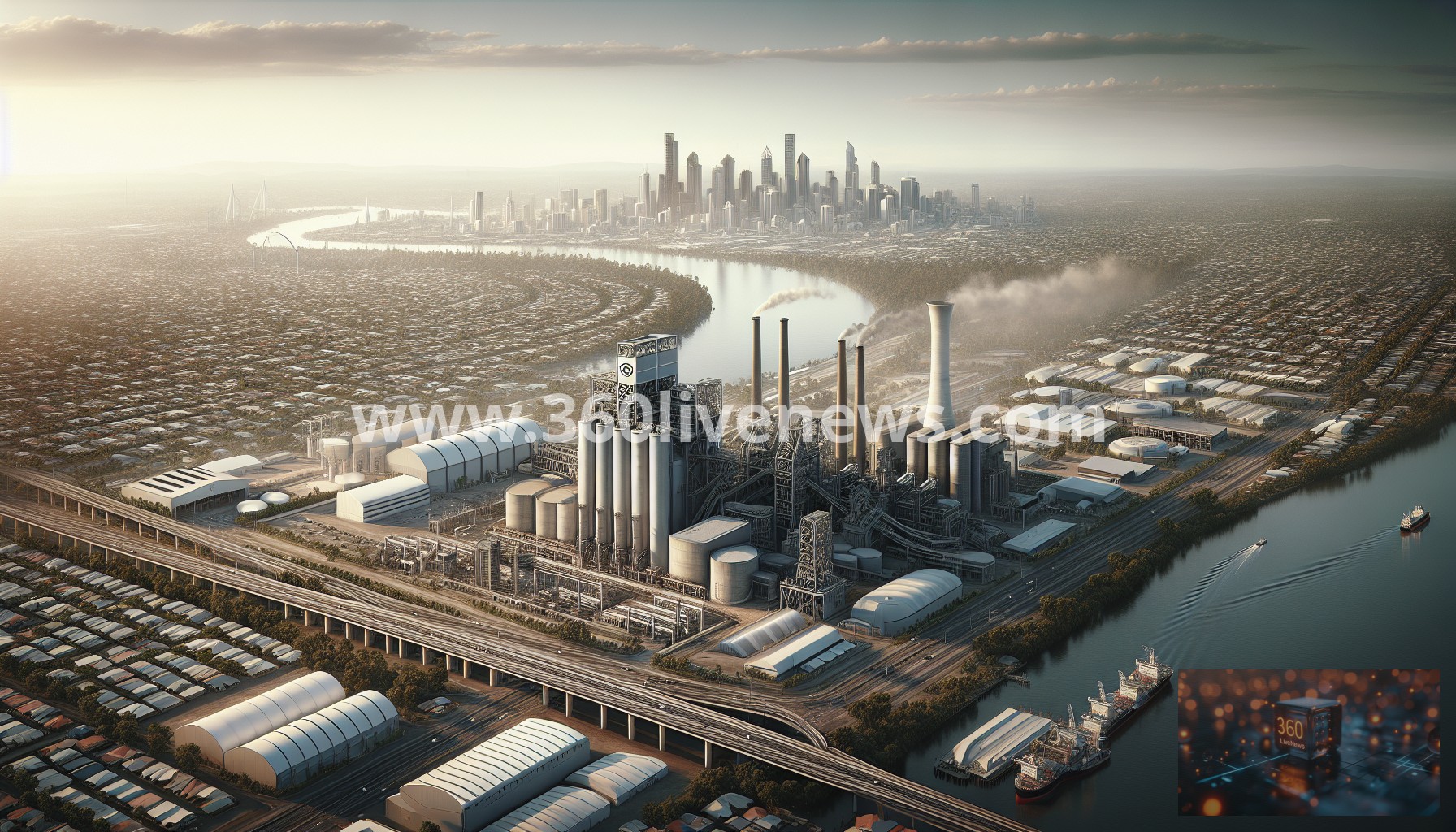
In a significant development for Australia's construction industry, one of the country's first steel mills in several decades has officially broken ground in Ipswich, Queensland. The steel mill is expected to produce essential materials that will help reduce costs for the construction efforts leading up to the Brisbane Olympics in 2032. The facility's primary output will be steel bars utilized to reinforce concrete for skyscrapers and other major infrastructures.
The announcement was made during a launch event featuring prominent figures, including Assistant Minister for Regional Development, Resources and Critical Minerals Bryson Head, Future Forgeworks chief executive Rohan Richardson, and Ipswich mayor Teresa Harding. Their participation underscores the project's importance to the local economy and community, particularly in the context of preparing for a major international event such as the Olympics.
Future Forgeworks, the company behind the mill, is set to contribute significantly to local employment. Reports indicate that the firm plans to start recruiting up to 400 construction workers later this year, reflecting a broader trend of investment in infrastructure ahead of the Olympics. This initiative marks an important step in revitalizing Australia's metallurgical sector, which has faced slow growth in recent decades due to increasing competition and imports.
The new steel mill is strategically located in southeast Queensland, which is expected to play a critical role not only in providing materials for Olympic venues but also in addressing the housing and infrastructure demands of the region as its population grows. The facility's construction aligns with efforts to enhance local manufacturing capabilities while minimizing dependence on international steel supplies, bolstering both the economy and job market in the region.
The previous decline in Australia's steel production has been attributed to various economic factors, including global market pressures and shifts in national policy regarding materials sourcing. Constructing a new steel mill now presents an opportunity to innovate and adopt greener manufacturing processes, which will be essential for meeting Australia’s climate commitments while supporting its growing economy.
At this juncture, it's vital to understand the geopolitical implications of this renewed investment in local steel production. As nations around the world grapple with supply chain disruptions exacerbated by events such as the COVID-19 pandemic, Australia’s investment in local manufacturing reflects a shift towards more resilient economic strategies that prioritize self-sufficiency. This development may also serve as a litmus test for other sectors considering a return to domestic manufacturing as a means to enhance national security.
The launch of the Ipswich steel mill occurs at a time when global demand for steel remains robust, driven by infrastructure projects, including housing developments and public works. Such investments are critical as cities worldwide adapt to post-pandemic recovery, relying heavily on reliable and locally sourced materials. This trend underscores the need for countries like Australia to strategically position themselves in the global market as leaders in responsible manufacturing.
As construction progresses, local authorities and stakeholders will likely emphasize sustainable practices to ensure the mill aligns with Australia's long-term climate objectives. This focus on environmental responsibility is essential, especially given the scrutiny surrounding large-scale industrial operations. By integrating green technologies, the Ipswich steel mill can potentially serve as a model for future manufacturing facilities across the nation.
In summary, the groundbreaking of the Ipswich steel mill not only signifies a revival of steel production in Australia but also highlights the intertwined nature of economic, environmental, and geopolitical factors shaping the nation's infrastructure landscape. The successful implementation of this project could set a precedent for future manufacturing and infrastructure initiatives as Australia heads towards the Brisbane Olympics in 2032.
#Australia #Stadiums #BrisbaneOlympics #Infrastructure #Economy #Steel #Manufacturing #LocalJobs
