Over 1,100 Afghan evacuees in Qatar face uncertain future as U.S. resettlement process reportedly stalls
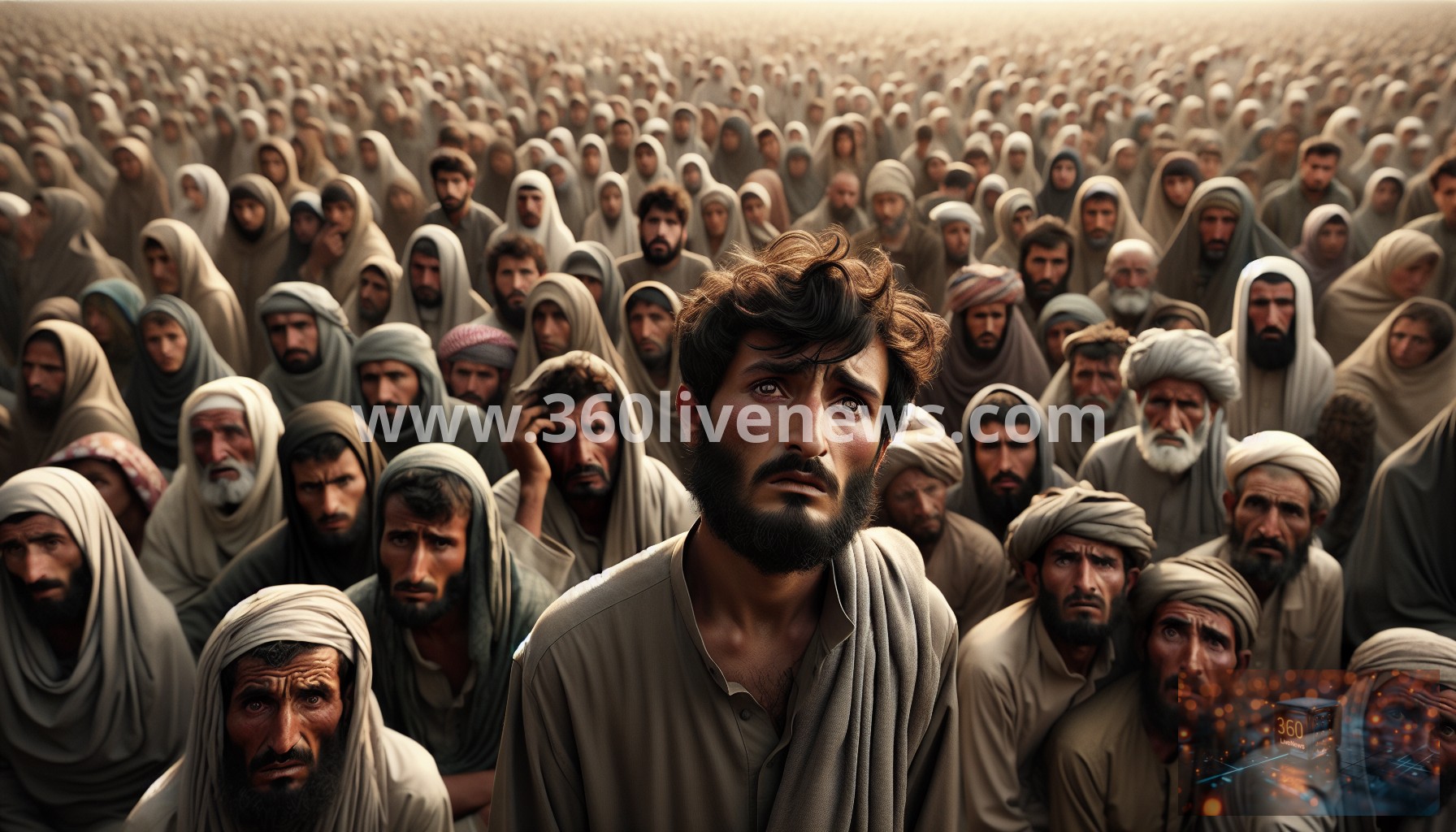
More than 1,100 Afghan evacuees residing at Camp As-Sayliyah (CAS) in Doha, Qatar, are facing an uncertain future as reports state that the re-settlement process to the United States appears to have come to a halt. Many of these individuals have been in limbo for the past 18 months after being evacuated from Afghanistan following the Taliban takeover. They now express feelings of betrayal not by the American public, but by government officials who had guaranteed them a pathway to safety in the U.S.
One evacuee, who spoke under the alias Alia for her safety, highlighted the precarious nature of the living situation for herself and her peers, stating, "Going back home to Afghanistan is not an option. It is too dangerous." The dangers have reportedly escalated further due to heightened tensions resulting from ongoing military conflicts involving the U.S. and Israel against Iran, adding to the fears faced by these Afghan evacuees.
The plight of these evacuees has exposed a deeper issue within the broader refugee management systems in contexts of U.S. military withdrawal and international diplomatic relations. The disintegration of pathways to resettlement raises pressing concerns regarding the responsibility of governments toward those who aided their military efforts abroad. This situation does not only resonate with Afghan evacuees but mirrors broader themes of displacement and vulnerability faced by many seeking protection in foreign lands.
Camp As-Sayliyah, operated by the U.S. military, has been a temporary shelter for evacuees since the chaotic withdrawal from Afghanistan came to a close. Alia's case exemplifies how the promises of resettlement are crumbling amid shifting geopolitical landscapes. The transitional facility is now characterized by uncertainty, as individuals are left wondering how they will navigate their futures.
In previous incidents, Afghanistan has been historically marked by instability that prompts widespread displacement. Following the U.S. invasion in 2001, the subsequent two decades were fraught with extensive military engagement, which ultimately led to increasing uncertainties for those who supported the allied military forces. With the Taliban's return to power, many who were once secure are now in dire situations, highlighting the implications of foreign policy on individual lives.
The failure to provide timely resettlement options raises pressing ethical questions regarding the treatment of evacuees. Humanitarian organizations have voiced concerns about neglect and the absence of clear communication from U.S. officials. A coalition of NGOs has recently called for improved mechanisms to ensure that those trapped in such limbo situations receive necessary support and resettlement opportunities.
The broader implications of this crisis extend beyond the individual stories of the evacuees. As multiple countries continue to grapple with their roles regarding displaced populations, this incident underscores the need for coordinated action and humane policies. International organizations, including the United Nations High Commissioner for Refugees (UNHCR), have previously emphasized the urgency of finding durable solutions for refugees and vulnerable persons caught in such predicaments.
This evolving situation demands attention from policymakers and humanitarian leaders, prompting discussions around security, ethics, and public responsibility. As geopolitical landscapes shift and humanitarian needs increase, understanding the details surrounding these Afghan evacuees can foster a more equitable approach to refugee resettlement efforts. Further discourse involving these issues could influence future foreign policies, rehabilitation efforts, and public perceptions regarding displaced persons.
As the world watches the developments at Camp As-Sayliyah, the fear, uncertainty, and demand for accountability echo loudly. The future for Alia and thousands of others remains unclear as they contend with their fragile hopes amidst the realities of global conflict and the complexities of geopolitical promises.
#Evacuation #Afghanistan #Refugees #HumanRights #Qatar #USGovernment #Taliban #MilitaryConflict #InternationalRelations #UNHCR #CampAsSayliyah
