Jeepney drivers in the Philippines protest against rising diesel prices amid ongoing geopolitical tensions
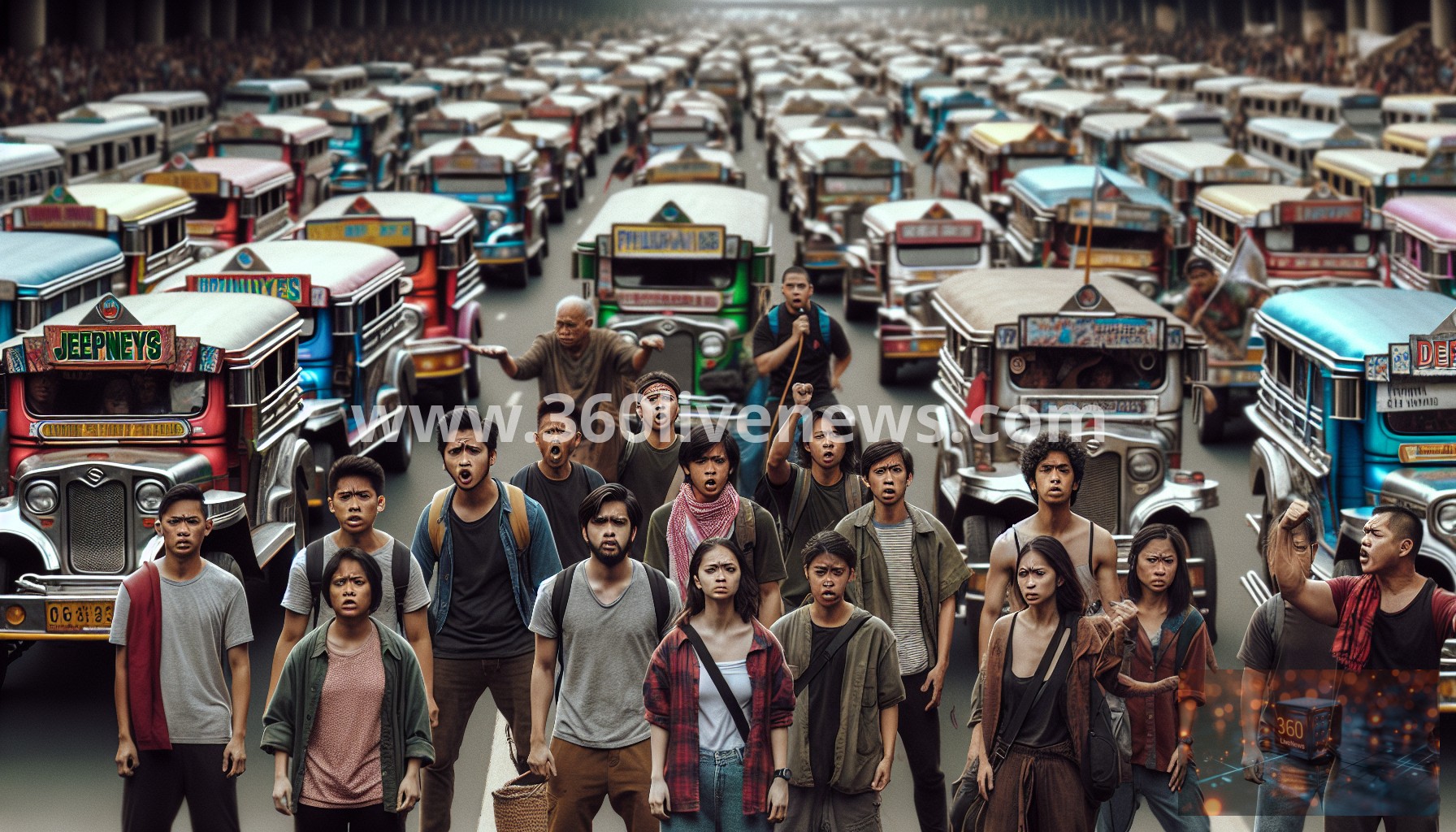
Thousands of jeepney drivers in the Philippines are protesting against skyrocketing diesel prices, which have more than doubled amid ongoing geopolitical tensions surrounding the Iran war. The dramatic increase in fuel costs has placed a significant burden on drivers, who report that their earnings are now primarily funneled back into paying for diesel. This financial strain has sparked widespread demonstrations across various regions of the country.
One of the protesting drivers, identified as Prado, highlighted the personal toll this surge in diesel prices has taken on his family. He lamented, "Before I could earn at least 1,000 pesos (approximately US$17) for three trips, now I only take home 200 pesos," which he says is inadequate for supporting his children and covering essential expenses like school fees and utilities.
The protests come as the economic outlook for the Philippines darkens, with many drivers echoing the sentiments of how rising oil prices compromise their livelihoods. The local government has faced mounting pressure to address the situation, with officials acknowledging the adverse impacts on both the transportation sector and families relying on jeepneys for daily commuting. These traditional forms of public transport are essential in a country where many citizens depend on affordable transportation options.
Significantly, the higher fuel prices are largely attributed to escalated tensions and military actions in the Middle East, particularly affecting oil and gas supplies. An incident involving attacks on Qatari gas fields has intensified fears of further disruptions to energy production, leading to rising costs globally. Analysts, including Gary Dugan, the CEO of The Global CIO Office, emphasize that this escalation has heightened fears of genuine fuel shortages, which could materially crimp global growth by keeping prices elevated over a prolonged period.
The effects of these rising oil prices are being felt not just in the Philippines but worldwide, contributing to broader recession fears among global investors. Following the closure of the Strait of Hormuz, market sentiment has shifted considerably, with stock markets experiencing sell-offs,a manifestation of the growing anxiety about potential supply disruptions. The US dollar index has remained resilient at around 100, as investors seek safer asset classes amidst volatility.
In the Philippines, jeepney drivers are emblematic of the broader economic challenges facing the nation. Approximately 300,000 drivers operate jeepneys, a popular mode of transportation that symbolizes Filipino culture. However, the current situation poses a complex challenge for both drivers and the Philippine government, as calls for subsidies and relief efforts grow louder. Officials are being urged to step in to mitigate the impact of rising transport costs on citizens, potentially through subsidy programs or regulatory measures to stabilize fuel prices.
Historically, the Philippines has faced various economic challenges, particularly in periods of rising oil prices, which often lead to nationwide protests and demands for government intervention. With the backdrop of ongoing global crises, the local transportation sector is at a critical crossroads that requires immediate action to safeguard the livelihoods of many citizens.
The escalating conflict in the Middle East, particularly the recent attacks on energy infrastructure, has brought this issue into sharper focus. The geopolitical implications of these events extend beyond the region, affecting global energy markets and economies. As the Philippine economy grapples with these external pressures, the unity and mobilization of jeepney drivers during these protests could signal a pivotal moment in demanding governmental accountability and responsiveness to their needs.
The ongoing protests reflect a crucial period in addressing not only the immediate concerns of rising diesel prices but also the broader implications of geopolitical tensions on local economies and social structures. If left unaddressed, the ramifications could extend well beyond the transportation sector, as citizens face a dual challenge of economic hardship amid a crisis that affects global fuel supplies.
#OilPrices #Philippines #Jeepney #Protests #Economy #GlobalMarkets #Iran #Qatar
