Residents in north-western Kenya turn to unconventional food sources amid severe drought and livestock losses
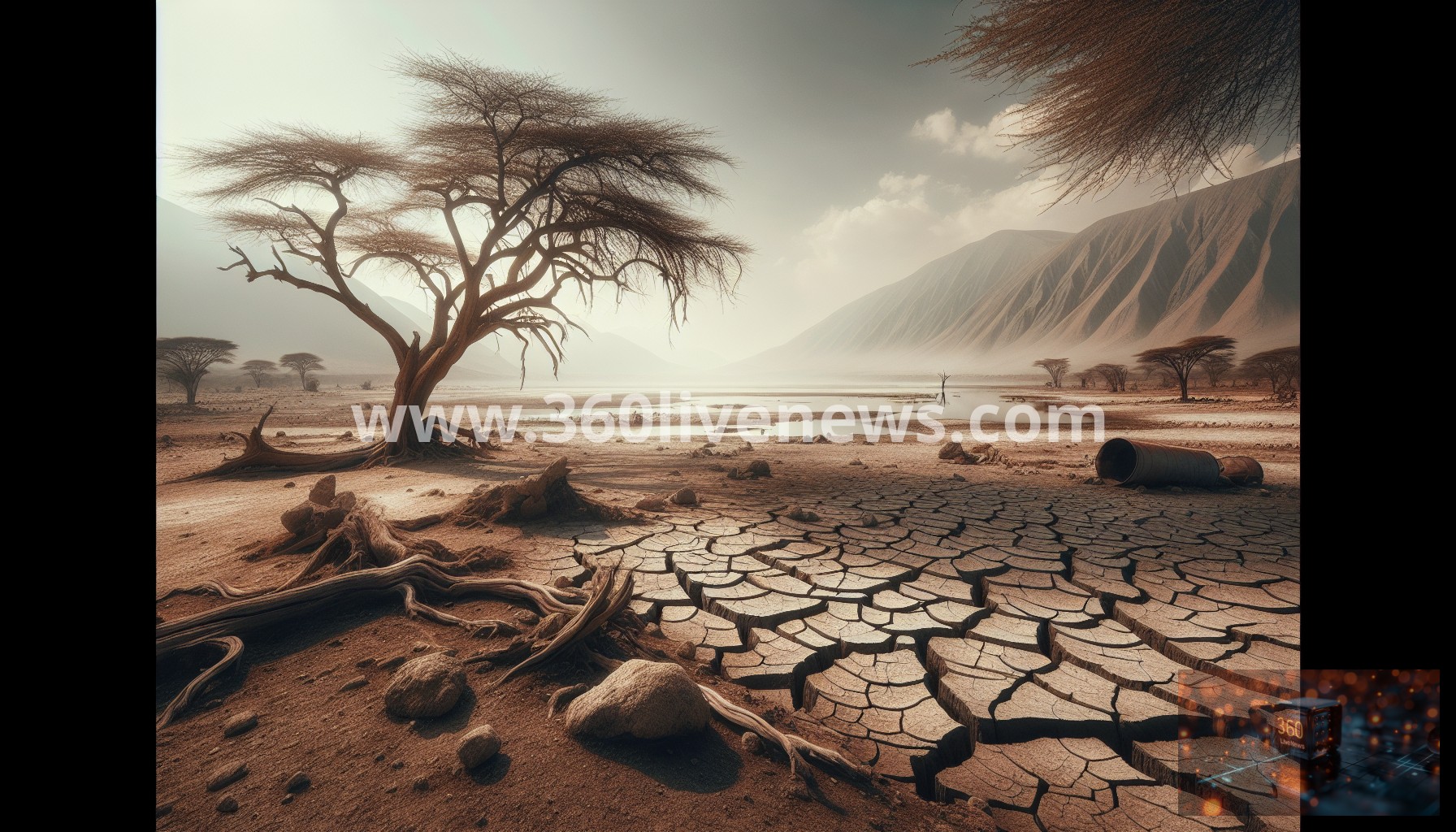
In north-western Kenya, the impact of a prolonged drought is becoming increasingly desperate as residents turn to unconventional food sources, such as the gingerbread tree, amidst severe livestock losses. Lotkoy Ebey, a local resident, has seen her herd of goats dwindle from 50 to just five due to the ongoing environmental challenges affecting her community's pastoral lifestyle in Turkana.
The National Drought Management Authority has reported that while some areas of Kenya have recently experienced rain, the precipitation has been uneven and predominantly insufficient to alleviate the drought conditions. In Turkana, many regions received little to no rainfall, exacerbating the dire situation that has unfolded over previous failed rainy seasons. Experts warn that recovery from livestock losses will take considerably longer, complicating food security in the region.
This drought is part of a broader trend causing disruption in Turkana, where the local economy is heavily reliant on livestock farming. The culture treats animals not only as a source of income but as integral to social and economic identity. The significant depletion of livestock, therefore, represents a catastrophic blow to the community's way of life and livelihood.
Officials indicate that while recent rainfall has brought some relief, it has also resulted in flash floods in other parts of the country, which illustrates the unpredictable weather patterns that define the current climate crisis in Kenya. These conditions create a paradox where some regions receive excess water while others suffer from extreme drought, leading to further challenges for local agriculture and food systems.
The Kenyan government and various humanitarian agencies are faced with growing pressure to develop effective interventions to support affected communities. As the drought persists, the necessity for targeted relief efforts becomes more pressing, requiring collaboration between governmental bodies and non-governmental organizations to distribute aid and emergency supplies.
In considering the potential solutions, both short-term and long-term strategies will be essential. The emphasis on alternative food sources, such as the gingerbread tree, highlights resilience among communities, yet it also raises broader questions about dietary diversity and the sustainability of these practices in the face of ongoing climatic shifts. Experts propose that alongside immediate relief efforts, there needs to be a systematic approach to rebuilding pastoralist economies that can withstand future climate challenges, emphasizing increased resilience in agricultural systems.
The broader context of regional climate change in Eastern Africa complicates Kenya's situation further. The Intergovernmental Authority on Development warns that climate variability is expected to exacerbate the frequency and severity of such droughts. This underscores the critical need for effective policies at both the national and regional levels to manage natural resources sustainably and safeguard food security across vulnerable populations.
As the situation develops, experts will continue to monitor the rainfall and agricultural performance in Turkana and surrounding areas. Current government initiatives and aid responses will likely be scrutinized for their effectiveness in alleviating the impacts of drought on local communities. Immediate and effective action can spell the difference between recovery and further impoverishment for the residents dependent on livestock and agriculture.
In conclusion, as Kenya grapples with the ongoing drought crisis in Turkana, the urgent need for comprehensive support and adaptive measures becomes evident. The integration of traditional practices with modern solutions may pave the way forward for sustainability, but it requires a coordinated effort involving multiple stakeholders to ensure the affected populations can rebuild and thrive in the face of adversity.
#Kenya #Drought #ClimateChange #Turkana #Humanitarian #FoodSecurity #Agriculture #Resilience
