Pakistani farmers sue German firms RWE and Heidelberg Materials over alleged role in devastating floods affecting agriculture
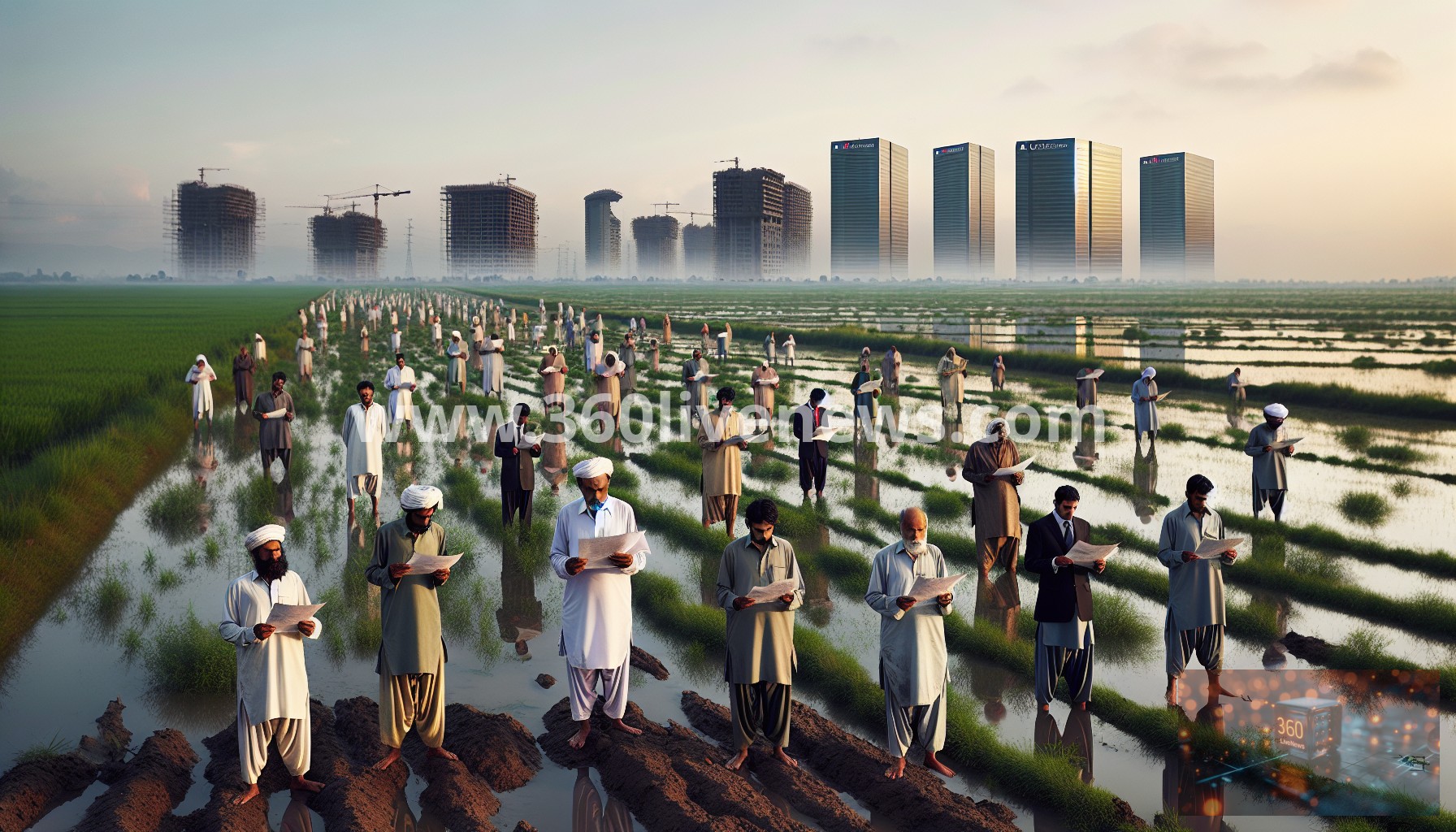
Farmers in Pakistan have initiated legal action against two German companies, RWE and Heidelberg Materials, accusing them of contributing to devastating floods that affected their livelihoods. The floods, considered among the deadliest in recent memory, ravaged numerous regions, particularly in the Sindh province, where agriculture is a critical economic sector. This case highlights the growing trend of holding multinational corporations accountable for environmental damage linked to climate change and extreme weather events.
The flooding in Pakistan occurred when intense rainfall overwhelmed the infrastructure and flood control systems during the monsoon season, leading to widespread inundation. In particular, the Dadu district in Sindh faced severe consequences, with entire communities submerged under water for extended periods. Farmers, like Inayatullah Laghari, recount harrowing experiences where they had to safeguard their harvests against rising waters, often resorting to desperate measures to preserve what remained of their crops. Laghari remembered placing his stock on a road while he slept beside it for a month in an effort to protect it from the floodwaters that altered the landscape dramatically.
Many farmers in the region argue that the emissions from RWE and Heidelberg Materials, which are alleged to have intensified the severity of the floods, have played a role in the catastrophic meteorological events. This legal action represents a crucial step in seeking justice for those whose lives have been irrevocably altered. The producers of these emissions are believed to bear some responsibility for the crisis, as their industrial processes are linked to the long-term increase in global temperatures, resulting in more extreme weather patterns affecting vulnerable countries like Pakistan.
The farmers’ litigation draws upon broader themes of environmental justice, especially in light of the Global North's historic responsibility for greenhouse gas emissions. As countries grapple with the impact of climate change, legal avenues are increasingly seen as viable routes to seek reparations for losses incurred. This particular case may set a significant precedent in international law, especially regarding corporate accountability for climate-related damages.
Pakistan’s vulnerability to climate change has been well-documented, marked by a history of extreme weather events, including floods and droughts. While the recent floods occurred in the former season, the implications have persisted, plunging millions into humanitarian crises. As agricultural output diminishes, food security concerns rise disproportionately for those whose livelihoods depend entirely on sufficient harvests. In the wake of these events, resilience against climate shifts highlights the need for systemic change in both environmental policies and agricultural practices globally.
Legal experts suggest that the farmers' case puts a mirror to the operations of large corporations and their impact on local ecosystems amid profound climate changes. Such litigation's success may not only secure compensation for affected families but also prompt significant policy discussions regarding corporate practices and regulatory measures intended to mitigate climate change's effects, particularly in emerging economies. This approach aligns well with ongoing global conversations surrounding sustainable development and accountability.
As Pakistan navigates through the aftermath of these floods, the country’s foreign policy also comes into play. Concerns regarding its relationships with the US have escalated, particularly amid discussions surrounding its missile capabilities and defense strategy. The allegations of exploiting regional tensions emphasize Pakistan’s position as a pivotal player in South Asia. The geopolitical landscape is compounded by varying perceptions of Islamabad's military programs and the implications for mutual security in the region.
The farmers' lawsuit is not just a local issue; it is symptomatic of a larger movement where communities are demanding accountability from corporations contributing to climate change. This aligns with international advocacy efforts that increasingly hold businesses responsible for their environmental impact and has the potential to amplify calls for systemic reforms not only in Pakistan but across the global stage. As the case unfolds, it will be pivotal to observe how both Pakistani and international communities respond to the urgent need for sustainable practices.
As the legal proceedings against RWE and Heidelberg Materials gather momentum, the implications go beyond legal accountability, addressing a more profound necessity for a collective commitment towards environmental responsibility. This developing case is one of many reflecting the critical intersection between corporate action, legislative frameworks, and the dire realities faced by communities on the frontlines of climate crises.
#Pakistan #ClimateChange #EnvironmentalJustice #Floods #Lawsuit #HeidelbergMaterials #RWE #Agriculture #Dadu #CorporateResponsibility #LegalAction
