Madagascar President announces lie detector tests for ministerial candidates to combat corruption
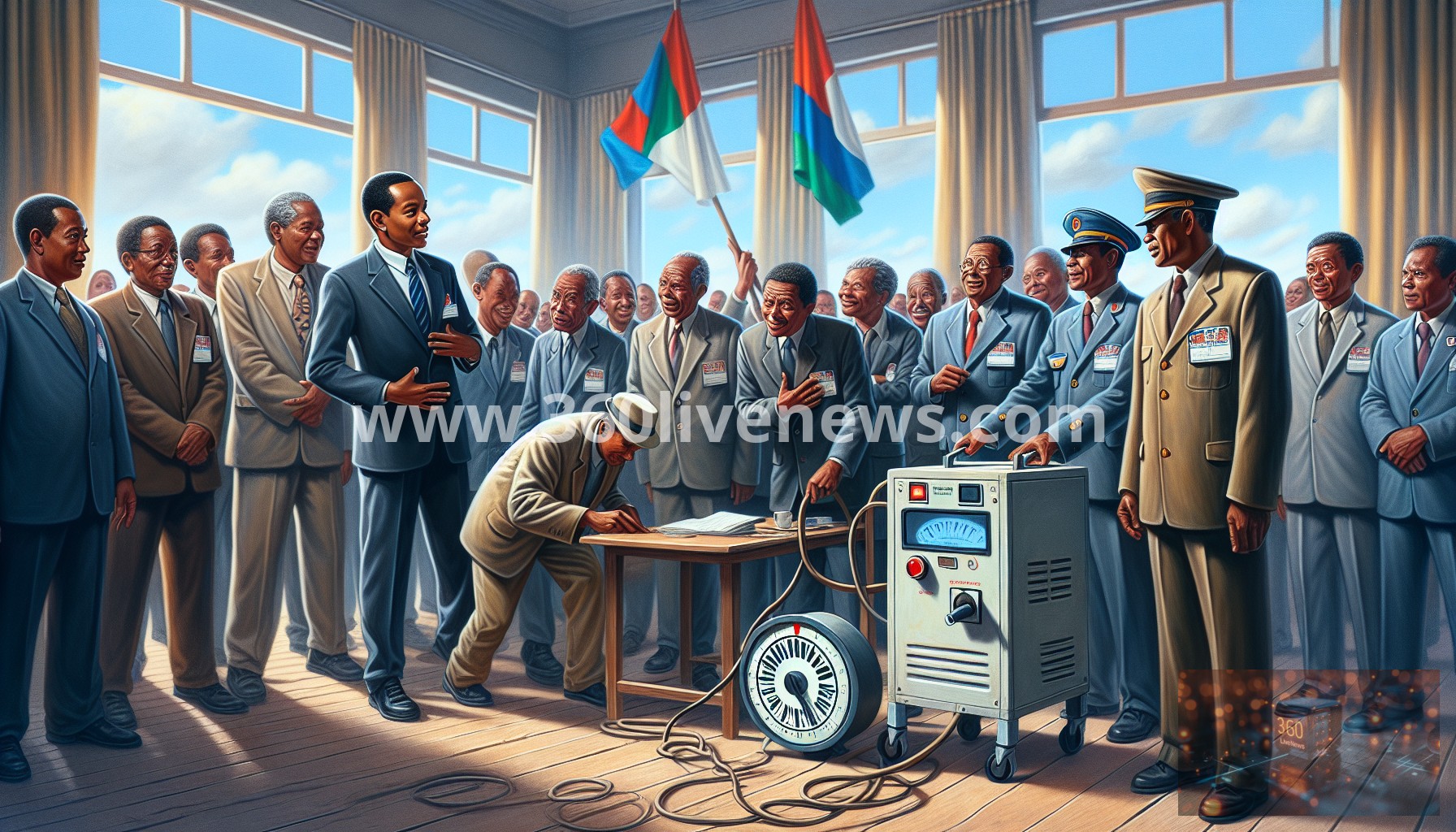
In a bold move aimed at reforming Madagascar’s political landscape, President Michael Randrianirina has announced that all candidates for ministerial positions in his new government will undergo lie detector tests. This announcement, made on a recent Thursday, reflects the President's commitment to rooting out corruption within the nation's governance structure, which has long plagued the country.
President Randrianirina, who came to power following a coup that ousted former President Andry Rajoelina, stated that the tests would help identify candidates who are "more than 60 percent clean," emphasizing that while perfection may be unattainable, a substantial commitment to integrity is essential. The acquisition of a polygraph machine and the hiring of a specialist to administer the tests are part of this initiative, indicating a systematic approach to ensuring the transparency and accountability of government officials.
This decision comes in the wake of significant societal unrest in Madagascar, particularly among its youth, who have voiced frustrations over inadequate public services and opportunities. The nation's population of approximately 32 million continues to grapple with widespread poverty, despite rich natural resources and unique biodiversity that the country possesses. The military-led government now seeks to instill a trust that has eroded over years of perceived official corruption.
The political backdrop of this initiative has roots in a socio-economic crisis that has seen young people particularly impacted. Previous demonstrations and uprisings, largely fueled by youth disillusionment, have pointed to systemic issues within the government that demand urgent reform. These long-standing frustrations facilitated Randrianirina's rise to power last year, coming amid protests demanding better living conditions and governance.
The implementation of lie detector tests as a precondition for ministerial candidacy raises questions about the broader implications of such measures. On one hand, this could symbolize a transformative period in Madagascar’s politics, encouraging a new breed of leaders who are willing to embrace transparency. On the other hand, it could lead to concerns regarding the potential misuse of the tests and the implications for personal privacy and civil rights within the governance framework.
The international community and local observers will be closely monitoring how these tests are executed and their impact on effective governance. Additionally, the implications of such unconventional vetting processes could serve as a model, or a cautionary tale, for similar initiatives in other nations facing rampant corruption.
In terms of governance, the Ministry of National Defense and security agencies in Madagascar are likely to play instrumental roles in overseeing this new process. The establishment of clear guidelines and accountability measures surrounding the testing process will be crucial for maintaining public trust and ensuring compliance with legal standards.
The public response to this announcement has been mixed. Some citizens view it as a necessary step towards eradicating corruption from the political fabric of Madagascar, while others are skeptical of its implementation and effectiveness. Given the past political turmoil and current socio-economic struggles, engaging citizens in the dialogue surrounding these changes could be pivotal in shaping the new administration's legitimacy.
As Madagascar enters a critical phase of political restructuring, the results of these lie detector tests and the subsequent ministerial appointments will undoubtedly have profound implications for the island nation’s future, particularly its governance and international relations. Assessments will look closely at how President Randrianirina balances the ambitious reforms with the practical challenges of leading a country with deep-rooted issues regarding governance and public trust.
#Madagascar #corruption #government #transparency #youth #politics #reform #leadership
