UK Authorizes US Military Use of Bases for Operations Against Iranian Missile Threats in Strait of Hormuz
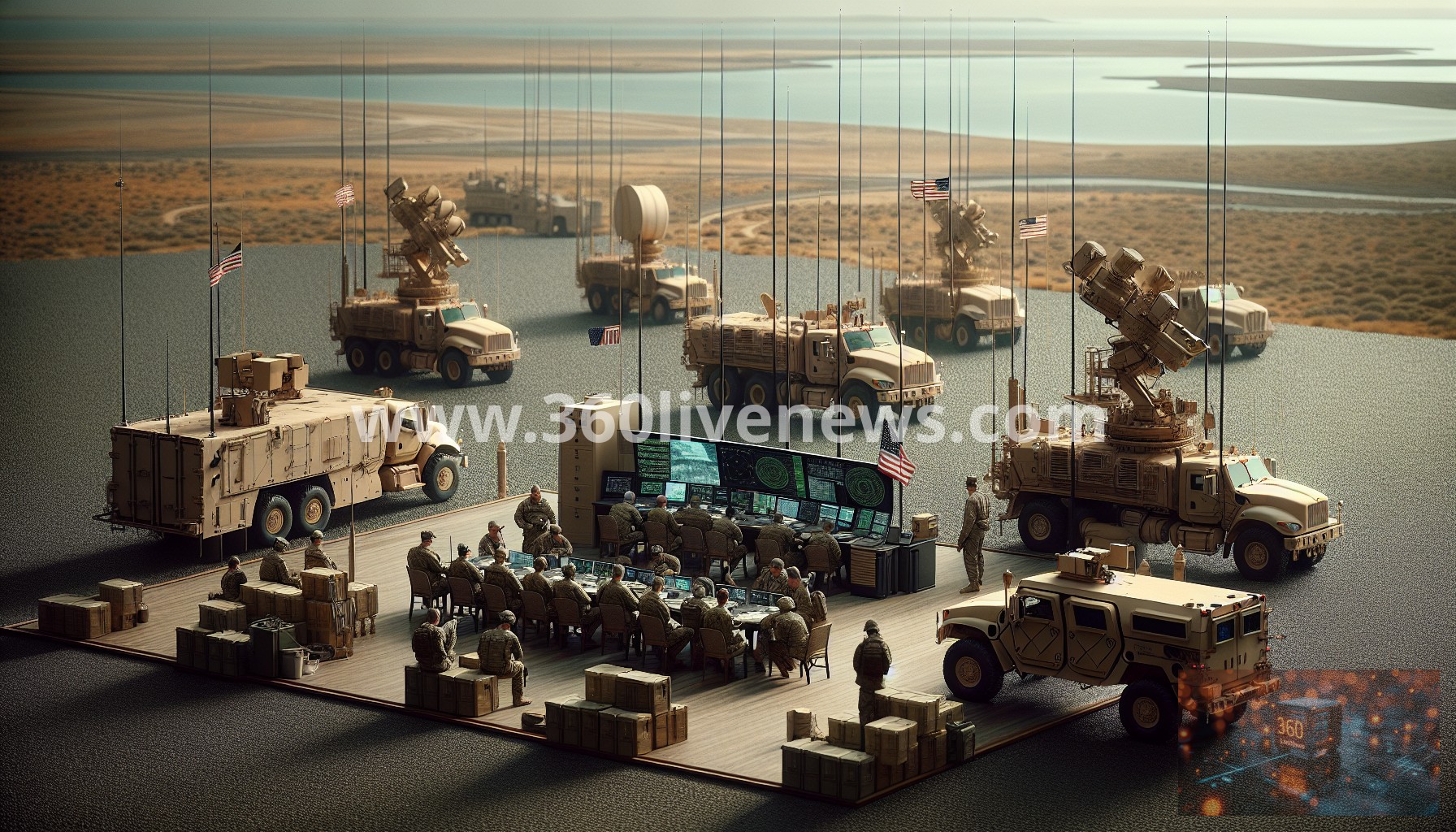
The confrontation involving Iran has recently intensified with significant developments, including the UK government allowing the US to utilize its military bases for operations targeting Iranian missile sites that threaten maritime security in the Strait of Hormuz. On Friday, following a cabinet meeting, UK ministers confirmed their authorization for the US to proceed with defensive strikes aimed at degrading Iranian capabilities that have been engaging in hostile activities against shipping lanes critical for global oil transport.
The strategic decision follows increasing tensions, exacerbated by incidents involving Iranian missile strikes on tankers, which have heightened concerns over the security of one of the world's busiest maritime passages. The Strait of Hormuz is a vital waterway, through which approximately one-fifth of the world’s oil passes. The need for cooperative military readiness comes as Iranian forces have reportedly escalated their attacks on various shipping assets in the region.
The UK Ministerial statement clarified that the action is in the context of collective self-defense in the region. Prime Minister Keir Starmer has previously taken a cautious stance, indicating a preference for not escalating the conflict into a full-scale war involving Iran. He initially resisted US requests for permission to strike, underscoring the importance of ensuring any military operation would meet legal standards.
In related developments, US President Donald Trump stated that the US-Israeli campaign against Iran is progressing "extremely well," suggesting that Iranian leadership has been significantly diminished. This portrayal supports a narrative being pushed by the US administration about the successes of their military strategy. Trump's remarks at a recent event indicated that he sees a clear trajectory toward diminishing Iran's influence in the region.
Notably, the situation has escalated alongside rising global oil prices, prompted in part by the uncertainty surrounding Iran's response to the increasing military pressure from US and Israeli forces. With the potential for disruptions in oil supply due to geopolitical tensions, economists and industry analysts are closely monitoring developments in the region.
Furthermore, QatarEnergy CEO Saad al-Kaabi has warned of dire consequences stemming from potential attacks on Iranian energy infrastructure, underscoring the interconnectedness of regional politics and global energy markets. Al-Kaabi expressed concerns over the possible ramifications of US military actions on Qatar's substantial energy sector, particularly emphasizing the significance of restraint given the location of strategic energy facilities such as Ras Laffan Industrial City.
The historical context of Western relations with Iran plays a crucial role in understanding the current events. The US and its allies have long had a complicated and often contentious relationship with Iran, shaped significantly by: - The Iranian Revolution, - The Iran-Iraq War, - Ongoing disputes over nuclear capabilities.
The legal and operational frameworks governing military engagements in the region are further complicated by existing international treaties and previous unilateral actions by various states in the Middle East. The UK’s support for the US raises questions about Britain’s continuing role in the region, especially as local sentiments and international perceptions regarding military interventions remain polarized.
Institutions such as the United Nations have been called upon to evaluate the implications of military actions that emerge from these developments. Diplomatic discussions continue among regional powers, urging for resolutions that prioritize stability and peace. Experts caution against the peril of escalation leading to wider conflict, as military responses continue to reverberate throughout the geopolitical landscape.
As the situation develops, the multifaceted nature of the military engagements signals a period of uncertainty not just for Iranian relations, but also for global economic conditions, particularly in the oil market. The world's reliance on the stable flow of energy resources could face challenging shifts depending on the outcomes of these latest military strategies.
#Iran #UK #US #Military #Oil #Security #Geopolitics #StraitofHormuz
