Irish rap group Kneecap joins international aid convoy to Cuba amid ongoing crises and US fuel blockade
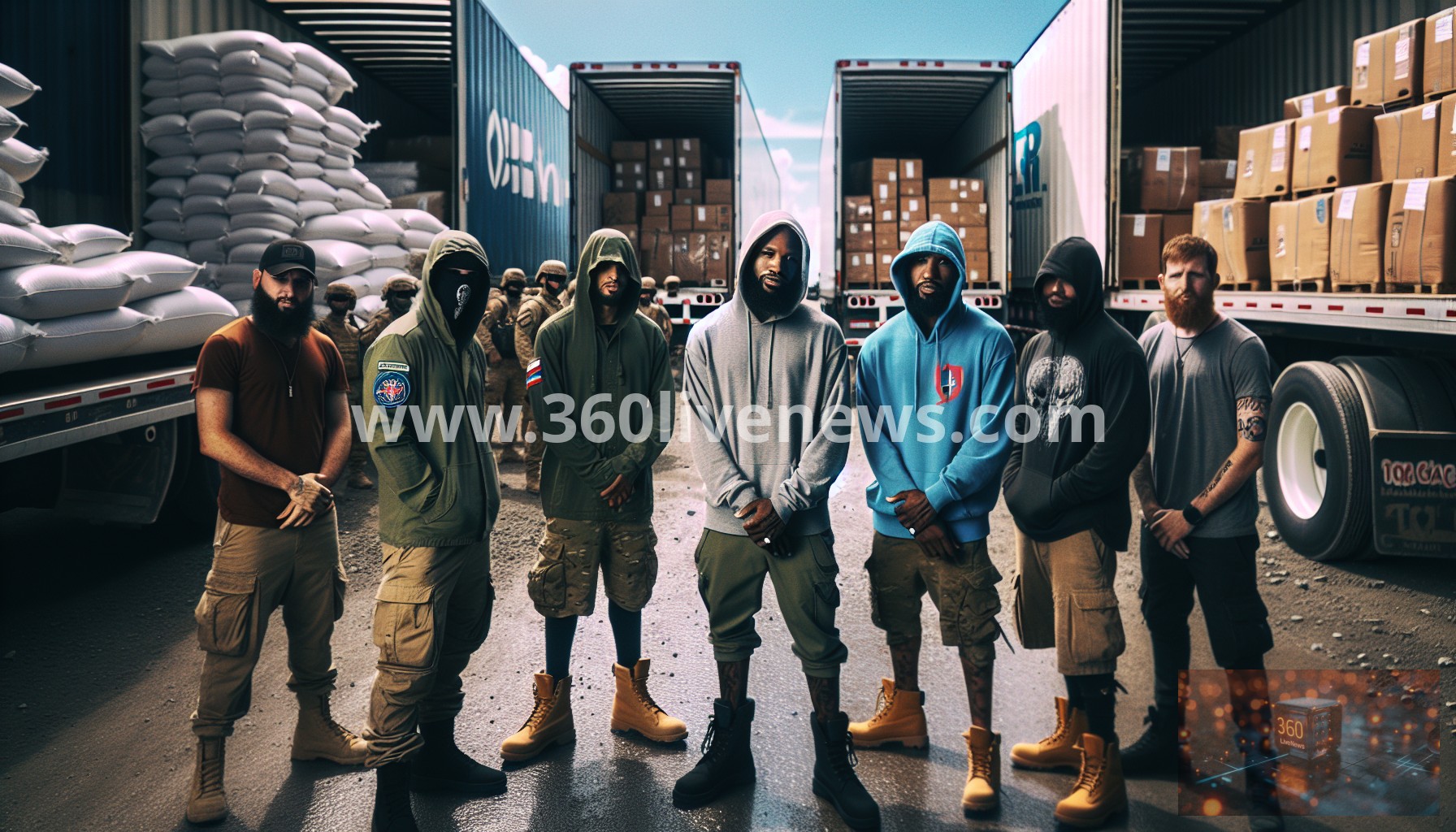
Members of the Irish-language rap group Kneecap have joined an international aid convoy headed to Cuba as the island grapples with severe crises exacerbated by a long-standing US fuel blockade. The group, known for its politically charged music, expressed a moral obligation to act in support of Cuba, stating they cannot remain silent while the country is being "strangled." This action underscores a growing sentiment of solidarity between Irish citizens and Cuba, with several public figures and aid organizations participating in the convoy. The arrival of this convoy is particularly timely as the island struggles with shortages of essential goods due to external pressures.
Kneecap's involvement in this humanitarian mission signifies a broader commitment to humanitarian aid. They are part of a larger group that includes not only musicians but also aid organizations delivering critical supplies like medicine, food, and solar panels. These supplies aim to alleviate some of the suffering inflicted by the blockade which affects daily life in Cuba. At a press conference in Havana alongside former UK Labour leader Jeremy Corbyn and Colombian Senator Clara Lopez, the band members articulated a historical context of solidarity between Ireland and Cuba, noting the parallels between Ireland's colonial suffering and Cuba's current plight.
During the press conference, Kneecap's Liam Óg Ó hAnnaidh, known by his stage name Mo Chara, emphasized a cultural and historical connection. He mentioned that the struggles of the Irish people during periods of colonialism and oppression resonate deeply with the current situation in Cuba and other oppressed nations such as Gaza. This statement reflects the sentiment among many Irish citizens who view humanitarian aid as a fundamental duty. The tradition of international solidarity, especially with Cuba, is long-standing and reflects a political and ethical commitment to stand against perceived injustices.
The aid convoy's efforts are taking place during a time of intensified humanitarian crisis in Cuba. The island has been grappling with shortages of food, medicine, and fuel, all worsened by the ongoing embargo imposed by the United States. Critics of the embargo argue that it hampers the ability of the Cuban government to provide for its citizens and exacerbates the crises. Supporters of the embargo claim it is a necessary measure to incentivize political reform. Nevertheless, the immediate impact on everyday lives in Cuba has been dramatic, with reports of increased food scarcity and health crises as a direct consequence of the blockade.
The convoy and Kneecap's participation have been met with enthusiasm among Cubans, particularly as they represent not only tangible assistance but also a moral stand against the embargo. This mission reflects a growing movement among various global figures and organizations calling for a reassessment of US policy towards Cuba. Historical parallels drawn by Kneecap highlight how nations afflicted by colonial rule often seek solidarity with each other, reinforcing the idea that global inequities require collective action.
This action has broader geopolitical implications as well. It raises questions about the role of international cooperation in humanitarian crises and how public figures can influence political discourse regarding policies such as the Cuban embargo. With Cuba being a focal point in US policy debates that involve ethics, economics, and global governance, Kneecap’s efforts underscore cultural diplomacy's potential. The group firmly positions itself at the intersection of artistic expression and political activism, promoting a narrative that calls for solidarity across national lines.
As the humanitarian convoy continues, experts point to the potential for mutual aid efforts to challenge not just the logistical implications of such crises but also the underlying political narratives that perpetuate them. International activists have long called for an end to the blockade, asserting that such measures often target vulnerable populations and restrict access to essential resources. Thus, the actions of entities like Kneecap and their coalition illuminate the importance of public engagement in political advocacy.
In summary, Kneecap's participation in the aid convoy to Cuba represents more than a gesture of solidarity; it reflects an ongoing struggle against political oppression and aims to foster a dialogue around humanitarian aid. The unfolding developments signify both a local and international resonance, showcasing how artists and public figures can mobilize support for global humanitarian crises effectively. As the convoy progresses, further updates will likely detail the response from both the Cuban government and international communities regarding these aid efforts.
#Cuba #Kneecap #HumanitarianAid #Embargo #Solidarity #JeremyCorbyn #ClaraLopez #IrishHistory
