French Voters Cast Ballots in Final Round of Municipal Elections in Over 1,500 Communes
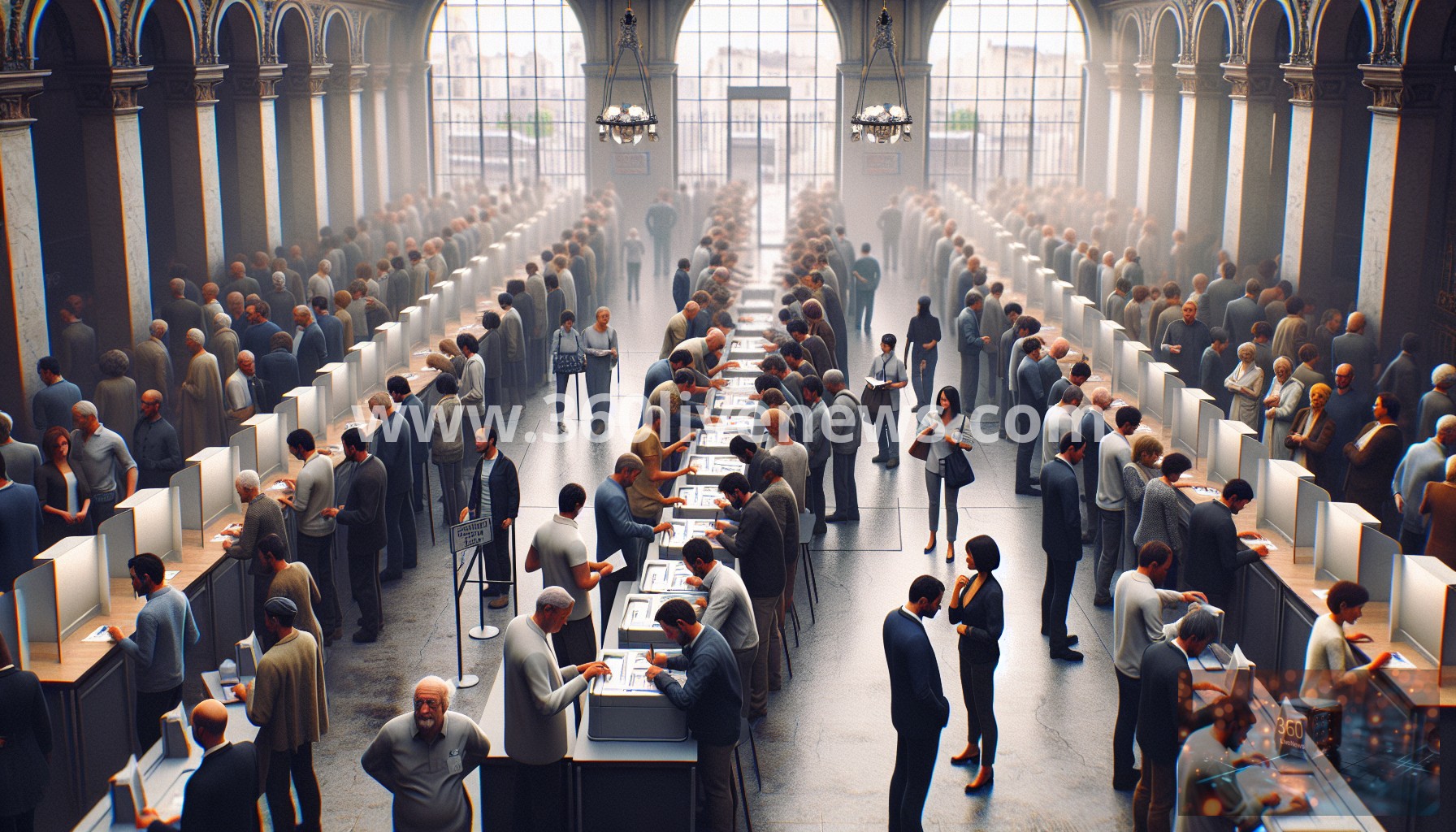
On Sunday, French voters participated in the second and final round of municipal elections across more than 1,500 communes, including the closely watched races in Paris and Marseille. The competition is heating up, particularly in Paris, where Emmanuel Grégroire leads a united left and green coalition, facing off against conservative candidate Rachida Dati and hard-left La France Insoumise contender Sophia Chikirou. Meanwhile, in Marseille, incumbent left-wing Mayor Benoît Payan is vying for re-election against far-right candidate Franck Allisio and conservative Martine Vassal, following the withdrawal of hard-left candidate Sébastien Delogu.
As voting unfolded in Paris, the stakes have never been higher. Grégroire's campaign focuses on progressive values, environmental issues, and social justice, aiming to consolidate the left's influence in the capital. In contrast, Rachida Dati represents a more traditional conservative approach, emphasizing security and economic development. Sophia Chikirou's presence adds another layer of complexity to the race, as she rallies support from disillusioned voters seeking radical change. The result of this tightly contested election could significantly reshape the political landscape in Paris.
Meanwhile, in Marseille, the dynamics shifted dramatically with Delogu's withdrawal, which was strategically aimed at preventing the far-right from gaining leverage in the election. Benoît Payan, striving to maintain his leadership, touts his achievements during his first term, including efforts to foster economic recovery and enhance public services. Franck Allisio, representing the far-right party, poses an electoral threat, drawing on populist sentiments that have recently gained momentum in France. Conservative Martine Vassal, seeking to carve out her niche in the race, also attempts to consolidate traditional conservative voter bases.
The contrasting political landscapes in both cities illustrate the broader national sentiment. France has experienced increasing polarization, with major parties facing challenges from both the far-left and far-right. This trend is evident not only in local elections but also in recent national debates and legislative initiatives. The outcome in Paris and Marseille may signal which directions these political currents may take as France approaches the next presidential elections.
The Municipal elections are historically significant within the French political system. They allow local governments to dictate much of the public agenda, and control over major urban areas like Paris and Marseille can impact larger national policies. Mayors in these cities often wield significant influence not only over local matters but also on national issues, acting as crucial players in the political arena.
In the lead-up to the elections, tensions have simmered in both cities. In Paris, protests against rising cost of living and housing challenges have echoed across the capital, creating an atmosphere in which Grégroire's platform can resonate more deeply with voters. Conversely, Marseille has seen its own share of challenges, particularly around crime and urban development, which has fueled Allisio’s campaign narrative. These contextual factors contribute to the populist appeal of his messaging, posing a risk to Payan's reelection prospects.
The implications of the elections extend beyond local governance. A resounding victory for leftist candidates in either city would enhance the credibility of the left ahead of national elections, potentially invigorating their agenda. Conversely, if the far-right claims victory in Marseille, it may embolden similar movements across France, highlighting the ongoing struggle between populist ideologies and traditional party politics.
Reports suggest a high voter turnout as residents recognize the importance of this election. As polls close, the results will undoubtedly serve as a bellwether for future political trends in France. The role of local governance cannot be understated in this context, given the interconnectedness of local and national political dynamics in shaping public policies and citizen engagement.
Analysis from political experts indicates that these elections may also influence legislative decisions around pressing issues including urban migration, climate change initiatives, and economic recovery strategies post-pandemic. The electoral outcomes will likely frame future policy debates within the National Assembly and affect negotiations among parties. With local politics holding national significance, voters face a critical choice that resonates beyond their immediate communities.
#France #Paris #Marseille #Elections #Mayor #LocalGovernance #Politics #Voting
