Tens of thousands protest in Prague against Prime Minister Andrej Babis and his government's proposed policies
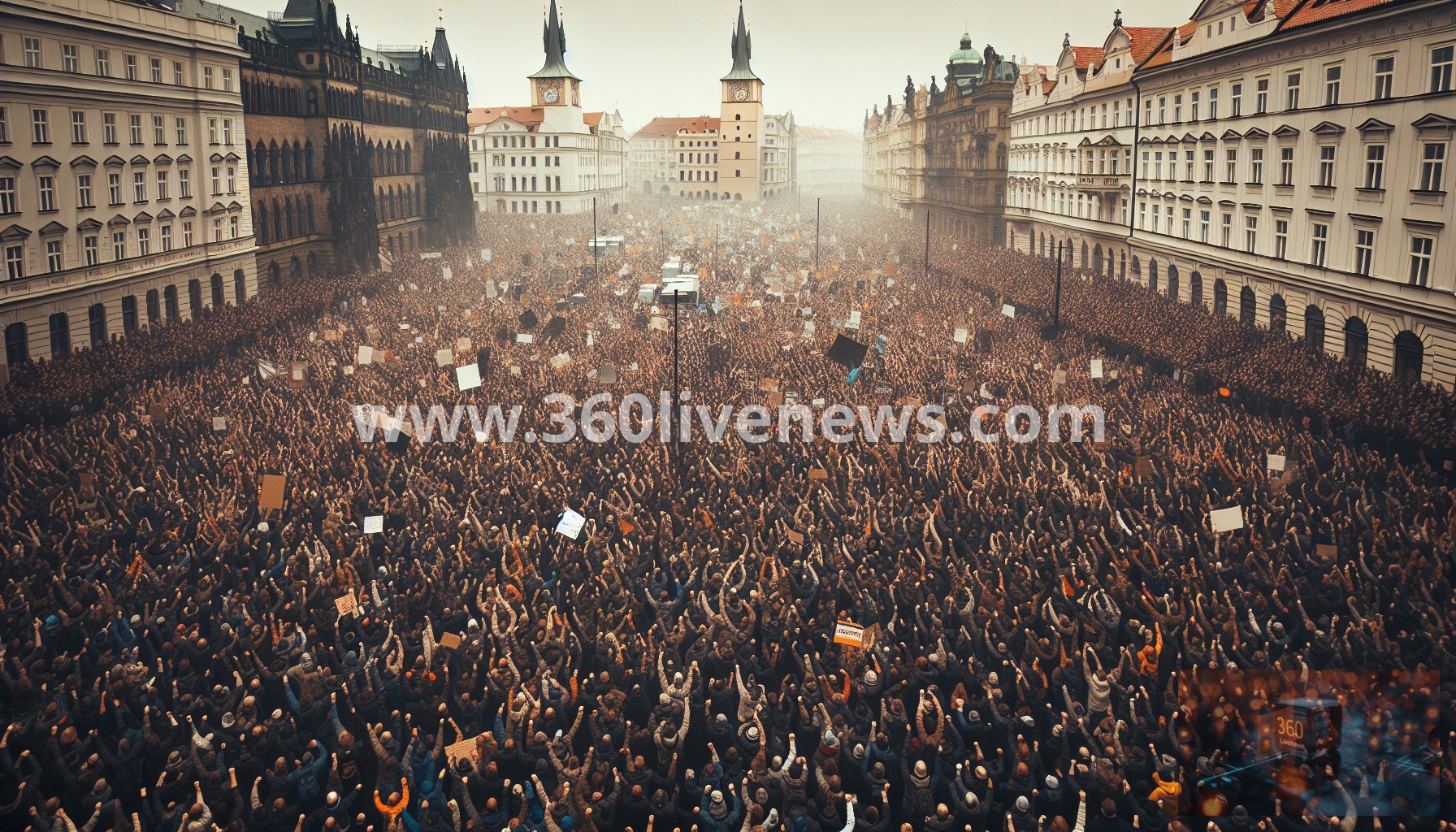
On Saturday, tens of thousands of individuals gathered in Prague to voice their opposition against the newly installed Prime Minister Andrej Babis and his government's proposed policies. The protest took place at Letná Park, a historic site that has previously served as a backdrop for significant political demonstrations, most notably during the events leading to the fall of communism in the late 1980s. With attendees coming from all corners of the Czech Republic, the atmosphere was charged with demands for accountability and change.
The demonstrators were united in their concerns regarding Babis's political approach and aspirations, expressed through banners and speeches that highlighted the perceived threats to democracy and governance. Although the rally remained peaceful, the scale of the gathering indicates a considerable dissatisfaction with Babis's leadership, reflecting broader anxieties within society about political direction and integrity.
Official estimates for the number of attendees varied, but organizers claimed that around 50,000 people participated in the demonstration. This turnout is significant, especially given the current political climate in the Czech Republic, where citizens are increasingly vocal about their government's direction. Babis, a populist figure with a controversial history, has faced criticism for his administration's policies, which some claim threaten democratic norms.
As the rally unfolded, various civic groups and opposition parties came together to articulate their grievances. Key among the demands was a call for transparency in governance and a reversal of policies that may further restrict civil liberties and public dissent. The event symbolized not only a reaction to Babis as an individual but also a broader challenge to the political status quo in the Czech Republic.
Babis took office recently, and his ascent has been marked by a turbulent political landscape. The former Prime Minister's track record includes previous support for populist policies that resonated with many voters but have also raised concerns among political observers about the erosion of institutional checks and balances. His administration's approach towards various domestic issues has drawn comparisons to the tactics employed by populist leaders across Europe, prompting fears about a potential shift towards authoritarian governance.
In response to the protests, Babis's government issued statements accusing demonstrators of being misled and highlighting the need for stability during a challenging global economic climate. Supporters of Babis have pointed to the government’s efforts to foster economic growth and protect national interests, despite the growing dissent among certain segments of the population. This dichotomy emphasizes deep divisions within the Czech Republic's political landscape.
The historical context of Letná Park adds significant weight to the current protests. This park witnessed pivotal moments during the Velvet Revolution, where citizens mobilized against the Communist regime in the late 20th century. The memories of those struggles resonate deeply within the Czech populace, serving as a reminder of the importance of civic engagement and the ongoing need to safeguard democracy. As such, the Saturday protests are seen as an echo of those earlier fights for freedom, emphasizing a generational continuity in the quest for governance that aligns with public interests.
The implications of these protests extend beyond the Czech Republic's borders, indicating a potential ripple effect in the region as populist movements continue to gain traction. Analysts are closely monitoring how the Babis administration responds to public dissent and whether it will pursue a path of compromise or further entrench its position. Experts suggest that how the government navigates this substantial public opposition could influence similar movements across Central and Eastern Europe, where several countries are grappling with the complexities of democratic governance amid rising populism.
Moving forward, it remains crucial for analysts and policymakers to observe not only the immediate reactions from the government but also the sustainability of public engagement and the potential for long-lasting change within Czech politics. The dynamics of this protest may serve as a valuable case study on the role of civic action in shaping government policies, especially in contexts where populist rhetoric challenges established democratic frameworks.
#CzechRepublic #Protests #AndrejBabis #Democracy #CivilLiberties #Populism #LetnaPark #PoliticalChange
