Freedom Movement party leads Slovenia's parliamentary elections with approximately 29.9 percent of votes, requiring coalition partners
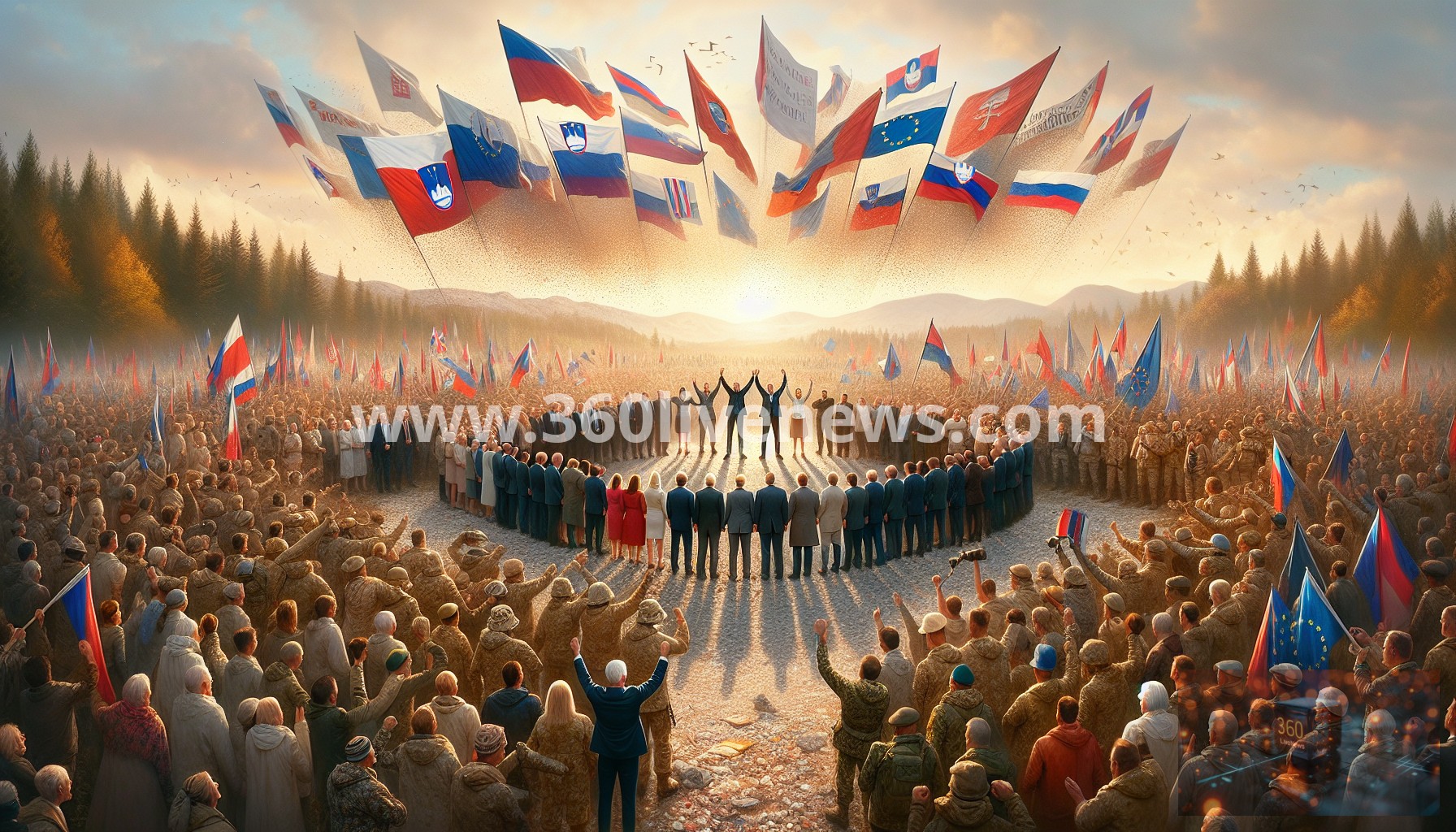
Slovenia’s parliamentary elections have produced a narrow lead for the governing Freedom Movement (GS) party, which is poised to secure approximately 29.9 percent of the votes. This translates to around 30 seats in the 90-seat National Assembly. However, the party will need to seek additional coalition partners, as this is a decrease from their previous total of 41 seats. The exit poll results were released by TV Slovenia and the Mediana polling agency.
In the close electoral race, the opposition Slovenian Democratic Party (SDS), led by former Prime Minister Janez Jansa, remains in contention, projected to gain 27 seats. Jansa, known for his populist style, has had a strong following within certain voter demographics, making the competition particularly fierce. The implications of this election are profound, given the need for coalition-building in a fragmented political landscape.
Current Prime Minister Robert Golob, 59, cast his vote earlier today and encouraged all citizens to participate in the democratic process. The voter turnout and public sentiments could become crucial factors in shaping the next government, underscoring the significance of public engagement amid evolving political dynamics.
Historically, Slovenia has undergone multiple shifts in governance since its independence from Yugoslavia in 1991. The political arena has been characterized by alternating between liberal and conservative leaderships. The Freedom Movement, which emerged prominently in the last election cycle, represents a significant shift towards a more progressive agenda focused on environmental issues and social reforms. This change reflects broader trends in Europe where left-leaning parties have been gaining ground against conservative forces.
The current election is not just a referendum on the policies of the outgoing government but also reflects growing public concern over key issues. These include economic recovery post-pandemic, climate change, and ongoing tensions within the European Union regarding migration and economic stability. For the Freedom Movement, navigating these challenges while forming a viable coalition will be paramount to their governance.
Looking ahead, the political scene in Slovenia is intricately linked to broader European dynamics. Issues such as migration policies and economic recovery from the COVID-19 pandemic are at the forefront of both public discourse and political strategy. Slovenia’s position within the EU, and the policies it adopts in coalition discussions, will significantly contribute to shaping regional stability and cooperation.
Additionally, public opinion polls indicate a divided electorate, with many voters expressing dissatisfaction toward established political parties. This sentiment has fueled the rise of alternative political groups such as the One Nation party, which is gaining traction by appealing to voters disillusioned with traditional politics. Their ability to secure substantial seats in various electorates highlights this shift in voter preferences.
As counting progresses, there remains uncertainty about several contested seats, particularly where One Nation is consolidating its support. The Electoral Commission’s ongoing verification processes and the unexpected complexity of vote counting could further influence the final outcomes in the remaining electorates, compelling parties to adapt their strategies swiftly.
In conclusion, the unfolding results of Slovenia’s parliamentary elections indicate a shift that could reshape the political landscape. With the Freedom Movement’s lead accompanied by its necessity for coalition partners, the future governance of Slovenia hinges on strategic dialogues ahead. The immediate aftermath will be scrutinized not only for local implications but also for its effects on regional political dynamics within Europe.
#Slovenia #Election #Coalition #FreedomMovement #SlovenianDemocraticParty #JanezJansa #RobertGolob #Democracy #PoliticalDynamics #PublicOpinion #OneNation #ElectionCommission
