Air Canada flight collides with fire truck at LaGuardia Airport, resulting in the deaths of two pilots
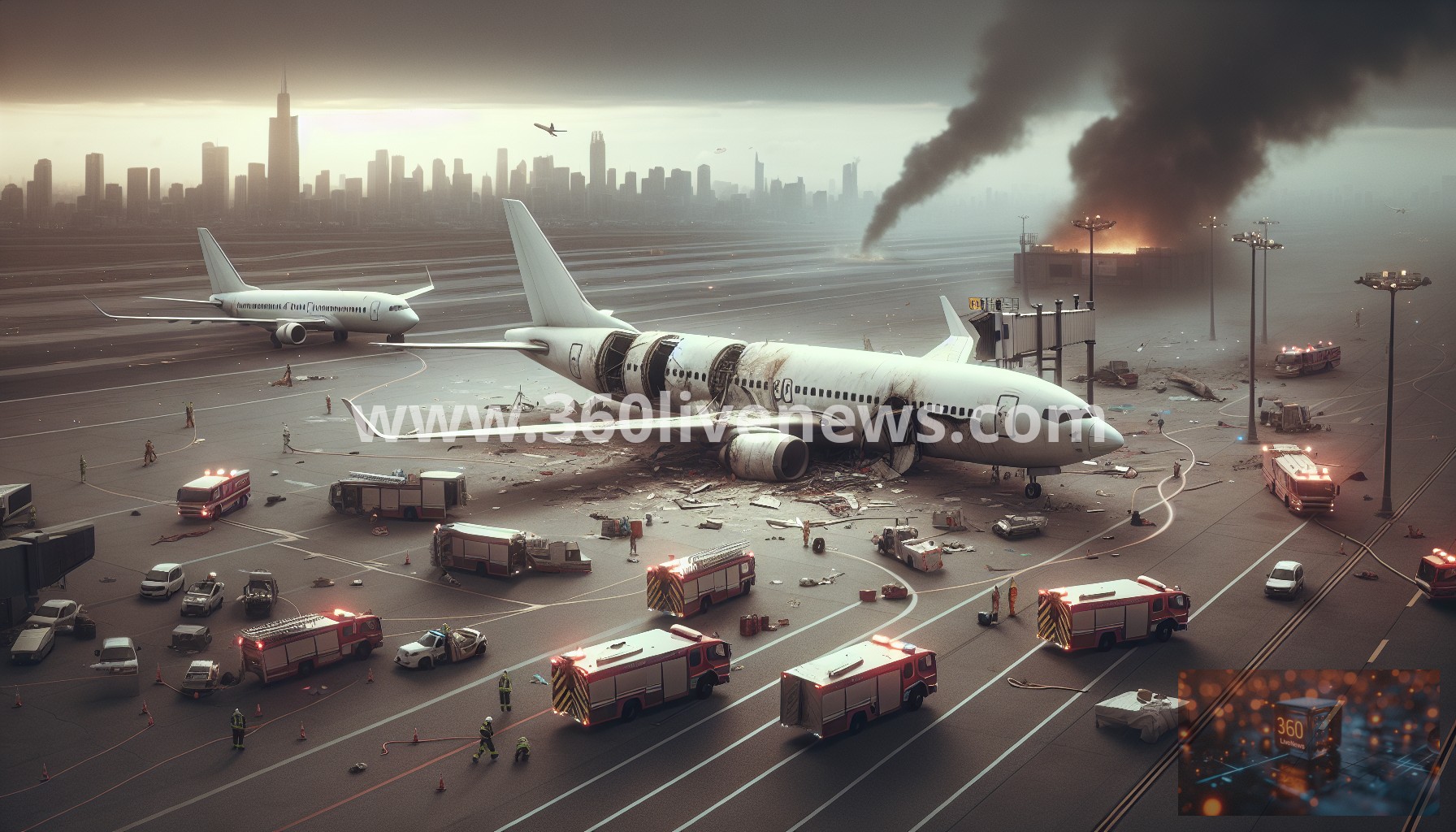
Tragedy unfolded at New York's LaGuardia Airport when an Air Canada flight, operated by Jazz Aviation, collided with a Port Authority fire truck late on 23 March, resulting in the deaths of the aircraft's two pilots. The fatal incident occurred shortly before 11:40 PM, as flight 8646 was landing. The aircraft struck the vehicle on the runway travelling approximately 30 mph, shearing off the nose of the airplane. This unfortunate event marks another serious incident in the realm of airport operations, highlighting ongoing concerns about safety protocols within air traffic management.
According to the New York Police Department, the collision was confirmed to have occurred at around 11:38 PM, just moments before the air traffic controller reportedly recognized and admitted making an error in instruction. The Air Traffic Control (ATC) personnel informed the public that they had earlier granted permission for 'Truck One' to cross the runway, which may have contributed to the miscommunication during the critical landing phase. Rescue operations swiftly commenced, with the New York City Fire Department responding to the scene shortly thereafter, as reports flooded in regarding a plane colliding with a vehicle.
Details emerging from the situation indicate that the Federal Aviation Administration (FAA) has temporarily shut down LaGuardia Airport in response to the crash. Disruptions to flights were immediately reported as investigators began their inquiry into the circumstances surrounding the collision. This incident raises critical questions about existing safety practices and the communication between air traffic control and ground personnel, a fundamental aspect of managing airport operations effectively.
The officials involved in managing airport operations, such as the Port Authority of New York and New Jersey, typically oversee safety protocol adherence across various operations, including fire and first-response vehicles. Each emergency vehicle, including firetrucks at major airports like LaGuardia, has specific pathways and protocols to follow, particularly during high traffic landing times, and the implications of this incident will likely lead to a thorough reevaluation of these practices. Given that LaGuardia plays a pivotal role in the air transportation network, this collision is poised to invoke discussions surrounding regulatory oversight.
In prior incidents at LaGuardia, safety has been a persistent concern, particularly regarding runway management and air traffic control. Earlier phases of the conflict surrounding runway incursions have prompted reviews of regulations governing how vehicles operate alongside landing and departing aircraft. The incident earlier this month at another major airport further emphasizes that systemic flaws remain at the intersection of air traffic management and ground safety procedures.
The operational pitfalls that led to this latest calamity were compounded by potentially high-stress environments where air traffic controllers balance myriad requests from aircraft while ensuring safety protocols are upheld. Recent public discussions have frequently focused on the burden placed upon controllers, who must efficiently manage the flow of air traffic while coordinating with ground crews such as those from the Port Authority. This collision, where the air traffic controller expressed regret over issuing a faulty command, fundamentally underscores the human aspect of air traffic management, where errors can have catastrophic outcomes.
Moving forward, it is anticipated that the National Transportation Safety Board (NTSB) will launch an investigation to assess the breakdowns in communication that occurred before the impact. Their findings may not only contextualize this incident, but also contribute to shaping future legislation focused on enhancing airport safety throughout New York and beyond. The repercussions of such evaluations likely extend across national policies that govern airport operations, air traffic control, and vehicle management on runways.
Potential implications of this tragedy may also spur changes within the air travel community regarding the alignment of safety measures, increasing scrutiny from both public and regulatory bodies. As air travel continues to recover from pandemic-related downturns, prioritizing safety has become increasingly critical. This tragic incident calls for all stakeholders involved,airlines, control towers, ground service teams, and regulatory agencies,to extend their commitment to ensuring comprehensive training and protocol adherence, particularly in those high-pressure environments.
The loss of two pilots in this manner resonates not just with the families and airlines involved but also serves to remind the broader aviation community of the stakes tied to safety in the air transport sector. As investigators delve into the facts and context surrounding this event, further reports and analyses will provide valuable insights that aim to enhance future operational safety across all airports.
#LaGuardia #crash #AirCanada #safety #airtrafficcontrol #investigation #aviation #newyork
