Iraq faces escalating tensions as US airstrikes target Iran-aligned forces following attacks on US facilities in Baghdad
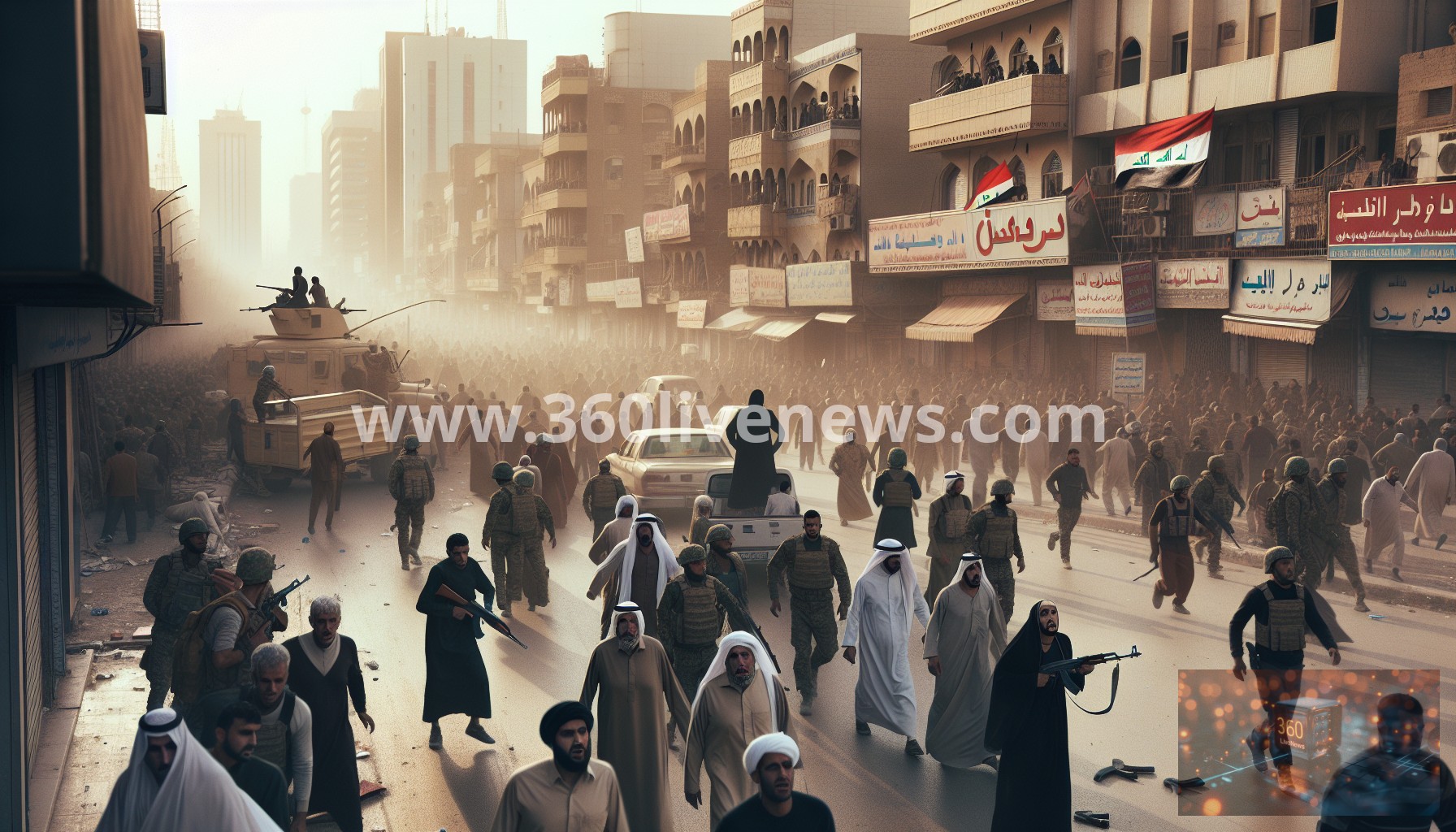
Iraq has increasingly found itself at the center of escalating tensions between the United States and Iran, with recent airstrikes targeting the Iran-aligned Popular Mobilisation Forces (PMF) in Baghdad. This development intensifies existing conflicts and highlights the complex dynamics at play in a region marked by historical rivalries and ongoing geopolitical struggles. The airstrikes occurred following attacks on a US logistics center and a diplomatic facility at Baghdad International Airport, signaling a troubling escalation in hostilities.
The US military's engagement was specifically directed at the PMF, also known locally as Hashed al-Shaabi, which comprises various Shia armed factions that are officially recognized by the Iraqi government. Reports indicate that late on Sunday, US forces executed multiple strikes, three in total, against PMF positions, although local emergency officials have stated that there were no casualties as the facilities were reportedly unoccupied at the time of the attacks. Iraqi security sources confirmed that explosions were heard in proximity to the US Camp Victory logistics center, an installation located at Baghdad International Airport, which has long served as a hub for American military operations in Iraq.
During this surge of violence, the PMF issued a statement condemning the US strikes, reiterating their role in fighting against ISIS and emphasizing their contributions to Iraqi sovereignty. The strikes are perceived as a part of the broader conflict between the US and Iran, with Iraq acting as a battleground for competing interests. Such developments add to the growing concerns among Iraqi citizens, who face significant economic and security challenges amid the ongoing power struggles.
In a related context, on the same day as the strikes, US President Donald Trump announced a temporary postponement of military actions planned against Iranian power plants and energy infrastructure. Trump described recent discussions with Iranian officials as "good and productive," indicating a willingness to engage diplomatically. The president's statement highlights the precarious balance of military action and diplomatic dialogue that is characteristic of US-Iran relations, especially in the aftermath of heightened tensions surrounding the Strait of Hormuz and its strategic significance for global oil shipping routes.
Previous incidents have set the stage for this escalating conflict. Since the withdrawal of US troops from Iraq in 2011, Iranian influence has significantly increased in the region. Iran supports various militia groups within Iraq, including the PMF, complicating the security landscape and fostering resentment towards US presence. The PMF's powerful role in Iraq has often put them at odds with US interests, culminating in a cycle of retaliation that exacerbates violence and instability.
The broader implications of these recent events are profound, extending beyond Iraq's borders. As Iraq becomes increasingly embroiled in the US-Iran conflict, regional actors and foreign powers are closely monitoring developments. The potential for escalation into a broader military confrontation raises alarms, particularly among neighboring states and within international institutions like the United Nations.
Experts note that this situation may hinder Iraq's fragile political landscape. The perception of Iraq as a pawn in a larger geopolitical conflict undermines the country's efforts to solidify its sovereignty and governance. Moreover, with the PMF's dual identity as both a state-sanctioned military force and a paramilitary group allied with Iran, the ongoing conflict could further polarize Iraqi society and diminish public trust in government institutions.
The US's strategic military actions against Iran-aligned forces in Iraq not only impact the immediate security landscape but also have the potential to disrupt trade routes and economic stability within the region. The electricity and energy sectors in Iraq are already stressed, and additional military actions could deter investments, further crippling the economy.
This situation necessitates a critical review of longstanding diplomatic strategies employed by US policymakers. An in-depth analysis of the complex interactions between military action and diplomatic overtures may provide valuable insights for future engagements with Tehran. The American response to provocations must be weighed carefully against the long-term implications for regional stability and the wellbeing of the Iraqi population.
#Iran #Iraq #USForeignPolicy #MiddleEastConflict #PMF #USMilitary #EconomicTensions #GeopoliticalTensions
