Greece accused of using Afghan paramilitary unit against asylum seekers at Evros River, raising concerns for Frontex
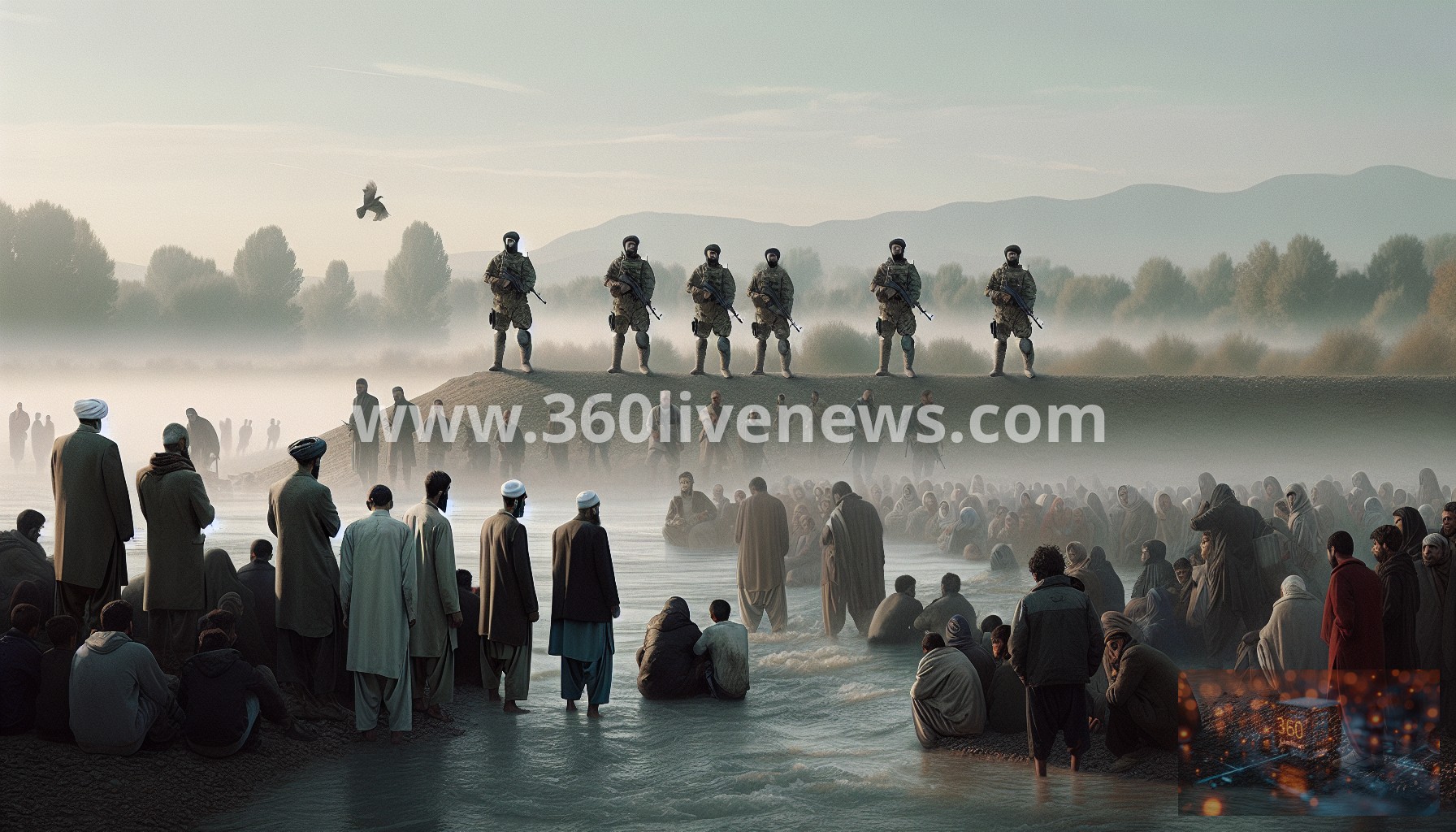
Allegations have emerged accusing Greece of deploying an armed Afghan paramilitary unit to violently attack a group of asylum seekers, raising significant concerns within the European Union's border agency, Frontex. The accusations stem from a report prepared by Frontex's fundamental rights officer, Jonas Grimheden, which details a harrowing incident involving 61 mostly-Turkish nationals seeking political asylum at the Evros River, which marks the border between Greece and Turkey. This event reportedly took place on June 22.
The report paints a dire picture of the treatment these individuals endured, stating that the Afghan unit, overseen by three Greek officers, engaged in robbery, physical violence, and intimidation. Accounts reveal that children in the group were subjected to sexualised body searches, a pregnant woman was violently attacked, while others were threatened with gunfire during the incident. Disturbingly, some small children were initially separated from their mothers, only to be reunited after their cries attracted attention, exposing the chaotic and alarming nature of the event.
In response to these allegations, a spokesperson for Frontex commented on the gravity of the report, stressing the necessity for a thorough investigation into these claims. "The report documents concerning allegations. We expect those allegations to be investigated thoroughly," the spokesperson stated in an email. This urgency underscores the EU agency's commitment to uphold fundamental human rights along its borders and the serious implications these accusations may have for Greece’s border enforcement practices.
The use of Afghan paramilitary units by Greece brings into focus a troubling trend regarding the treatment of asylum seekers at the borders of Europe. Reports of violence and mistreatment of migrants are not unprecedented, with numerous accounts over recent years detailing similar incidents amid strict border enforcement actions sparked by the refugee crisis. Greece's strategic position as a gateway for migrants seeking asylum in Europe has often placed it at the center of discussions on human rights, security, and immigration policy.
These allegations come at a time when the relationship between EU member states and their obligations toward asylum seekers is under intense scrutiny. Earlier phases of the migrant crisis led to the implementation of various border control initiatives, including cooperation with Frontex, aimed at addressing the influx of migrants, particularly during peak influx periods. However, these measures have frequently attracted criticism for potentially leading to rights abuses.
The geopolitical implications of Greece’s actions are significant, particularly in the context of its strained relationship with Turkey, which has been a key transit point for migrants heading toward Europe. The EU and Turkey have previously entered into agreements to control migration flows, with Turkey receiving financial aid and other support in exchange for managing its borders and preventing irregular crossings into Europe. Incidents like these could jeopardize this delicate balance and strain diplomatic relations further.
The backdrop of these events also invokes discussions around the broader implications of using non-state actors in border enforcement. The involvement of Afghan paramilitaries, as alleged, raises questions regarding the accountability and oversight of such armed units and whether they adhere to international law when dealing with vulnerable populations such as asylum seekers. This aspect invites scrutiny from international human rights organizations and could potentially lead to calls for diplomatic action against Greece.
This situation underscores the ongoing tensions surrounding migration policy within the EU and the challenges faced in balancing national security with humanitarian obligations. With allegations of such severe nature emerging, the international community, including human rights watchdogs, is poised for greater scrutiny and demands for accountability. The upcoming investigations will likely influence not only Greece’s immigration policy but also its reputation within the EU framework.
As the situation develops, the response from both the Greek government and the EU will be closely monitored. How Greece addresses these allegations and the subsequent findings from any investigations could have far-reaching effects on not only its immigration policy but also on its standing as a member of the EU committed to upholding human rights standards.
#Greece #Asylum #EU #Frontex #MigrantCrisis #HumanRights #Turkey #ImmigrationPolicy
