UN Declares Earth's Climate in State of Emergency Amidst WMO Report on Severe Climate Changes and Predictions for 2025
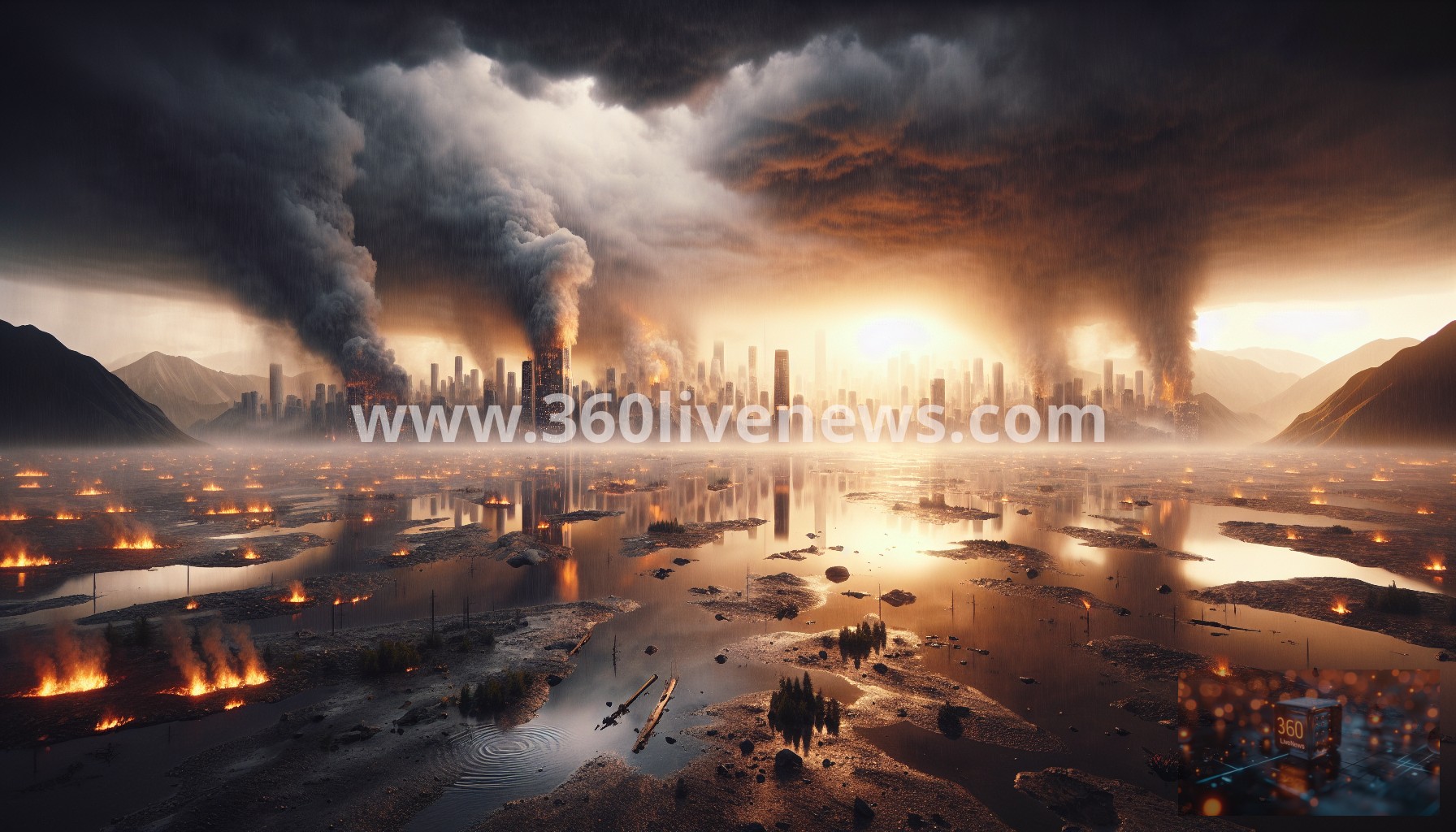
The United Nations has issued a stark warning regarding the state of the Earth's climate, declaring it to be in a "state of emergency." This declaration, stemming from a report published by the World Meteorological Organization (WMO), indicates that the planet's climate is more unbalanced than it has been at any point in recorded history and that humanity is perilously close to breaching the critical warming threshold of 1.5 degrees Celsius. This threshold, if exceeded, could trigger increasingly severe and compounding climate impacts.
The WMO's annual "state of the global climate" report released recently emphasizes the drastic changes that have occurred in the climate system, outlining predictions for 2025 that include intense heatwaves, heavy rainfall, and an increase in extreme weather events such as wildfires, droughts, and tropical storms. Such phenomena are expected to lead to widespread death and significant economic losses. Historical analysis from the report validates that the past decade has been the hottest on record, raising urgent calls for climate action aimed at reducing greenhouse gas emissions driven largely by the use of fossil fuels.
The implications of the WMO’s findings are severe, highlighting that rapid and large-scale climatic changes observed over recent decades are causing long-lasting repercussions that will affect generations to come. As the world grapples with these realities, the UN has underscored the necessity of immediate and concerted climate action to avert catastrophic impacts.
Among the notable findings in the WMO report is a prediction regarding significant weather-related events by 2025, indicating how extreme weather events contribute to human suffering and economic decline. This report arrives at a time when climate discussions are shifting towards urgent policy responses, particularly at international forums such as the COP climate conferences. These gatherings are increasingly tasked with formulating actionable measures to mitigate risks associated with climate imbalance.
Experts suggest that the increasing climate volatility is a direct result of rising greenhouse gas concentrations, largely attributed to industrial activities and the burning of fossil fuels, for which the demand needs to be curtailed. This call to action resonates with findings from various climate models which predict that without significant intervention, the world is likely to experience more frequent and severe environmental upheavals.
In the realm of policy, the findings not only reflect a pressing need for governments around the globe to implement stringent climate policies but also urge a recalibration of energy consumption patterns. International organizations, including the United Nations and the International Energy Agency (IEA), are now prioritizing a shift towards renewable energy sources. In addition to policy reform, discussions are increasingly highlighting the ethical necessity of supporting vulnerable populations that bear the brunt of climate-related disasters.
The relevance of these reports extends beyond environmental concerns, intertwining with broader geopolitical dynamics. Climate change is anticipated to provoke displacement and migration, particularly in regions increasingly susceptible to rising sea levels, droughts, and extreme weather patterns. The intersection of climate and security is now a focal point in international relations, compelling nations to rethink traditional defense and foreign policies.
In summary, the latest findings from the WMO reinforce the notion that urgent action is necessary to curb the progress of climate change, reflecting a consensus among scientists and policymakers. As the global community observes this evolving situation, the role of each nation in responding to this "climate emergency" will be critical in determining the planet's future.
#climate #UN #WMO #environment #climateaction #emergency #policies #globalwarming
