Denmark holds general election as Prime Minister Mette Frederiksen seeks third term for Social Democratic Party
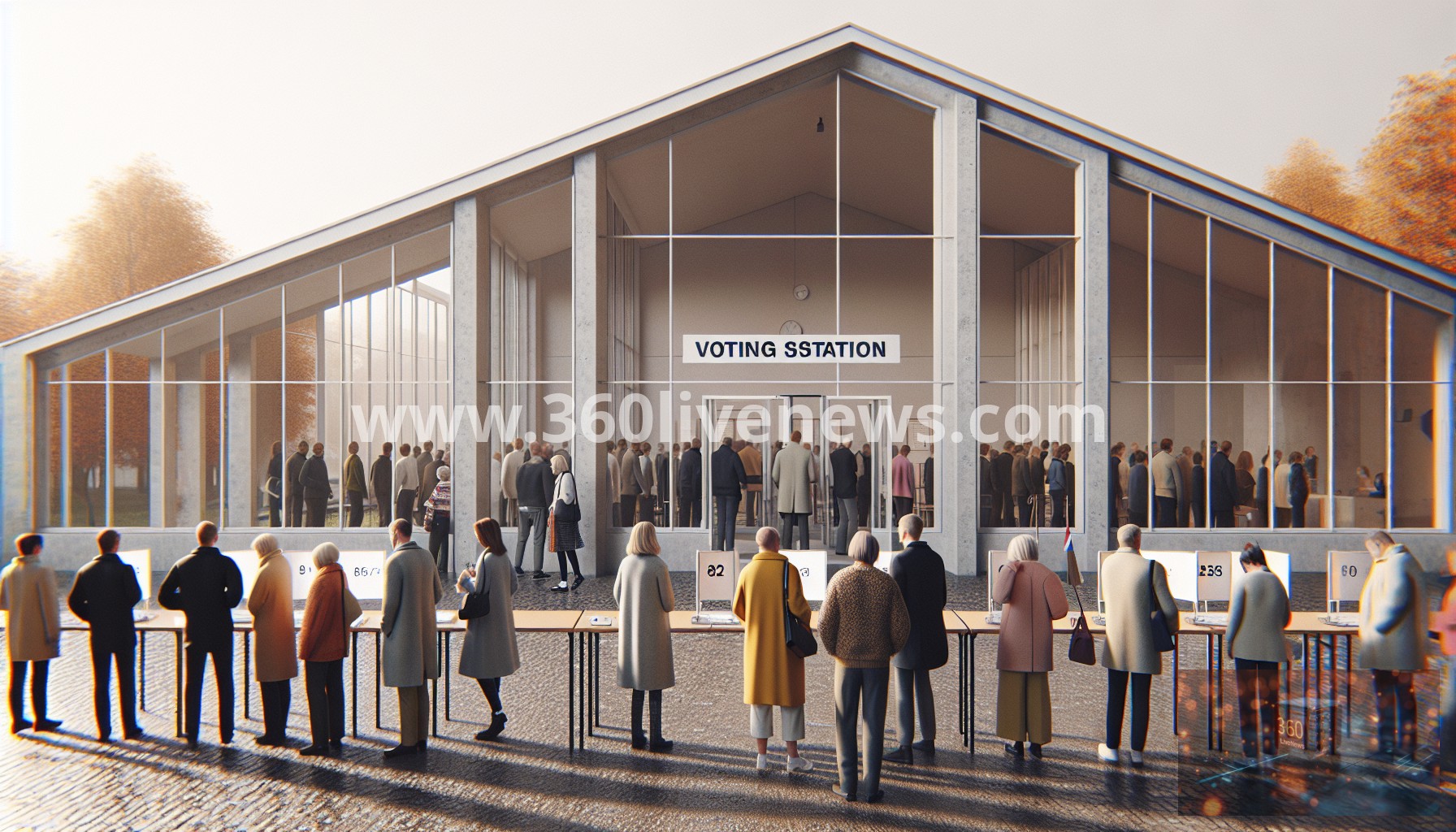
Denmark is currently in the midst of a general election, as citizens cast their votes today for their next government. This early election was called by Prime Minister Mette Frederiksen, who is seeking to secure a third term for her Social Democratic Party. The decision to hold the election ahead of schedule reflects a strategic move to utilize public support following her firm stance against US President Trump regarding the controversial ownership of Greenland, the semi-autonomous territory within the Kingdom of Denmark.
Frederiksen, who is 48 years old, has seen her popularity wane during her current term, yet it experienced a resurgence after resisting US pressure regarding the status of Greenland. Trump had previously attempted to purchase Greenland, a move that resulted in significant backlash and became a contentious issue in Danish politics. The election, therefore, is not just about domestic policies but also highlights the international dynamics affecting Danish governance.
The upcoming election pits Frederiksen against two main challengers from the centre-right political spectrum. One of these is Troels Lund Poulsen, who currently serves as Denmark's Minister of Defence. This internal conflict within the Danish political scene signals the ongoing struggle to navigate both national interests and international pressures, especially those stemming from interactions with the United States.
In light of these events, the upcoming results are crucial, not only for the Social Democrats but also for shaping Denmark's future political direction concerning Arctic sovereignty and regional security. The Greenland issue represents a slice of a larger narrative regarding natural resources, strategic territories, and international relationships within the Arctic region.
Additionally, the election comes amid broader discussions in global energy markets, particularly the reliance on fossil fuels. In the UK, as seen with ongoing debates about North Sea oil drilling, the conversation around energy sovereignty and national vulnerability is becoming increasingly important. Danish emotional ties to Greenland, coupled with the geopolitical implications of potential resource ownership, place this election in a nuanced context.
The political landscape that Frederiksen finds herself in is shaped by ongoing public discourse over the future of Greenland, especially concerning its vast natural resources and strategic location. In previous incidents, public opinion had been swayed by perceived threats to sovereignty, and the current election is a testament to how these sentiments can quickly evolve into political capital for candidates.
Furthermore, the election's timing coincides with a backdrop of increasing calls in the UK to expand oil and gas drilling, raising questions of environmental sustainability and energy independence. The statements made by key figures, such as Michael Shanks, the UK's Energy Minister, underline the urgency of finding viable solutions that do not compromise national interests while fostering sustainable energy practices. Such dialogues are echoed across Denmark's political dialogue as Frederiksen navigates her path forward.
The outcome of this election could significantly affect future negotiations regarding Greenland's status and the potential for enhanced cooperation within the Arctic Council, where issues of maritime security and environmental stewardship are paramount. The intersection of local electoral sentiments with international geopolitics cannot be understated in this pivotal moment in Danish history.
Overall, the Danish election serves as a reflection of existing tensions both within the kingdom and on the global stage, particularly concerning resources, territory, and national security. As votes are counted and results emerge, the implications may reverberate far beyond the borders of Denmark, resonating within international relations and energy policy discussions at large.
#Denmark #Election #Greenland #MetteFrederiksen #TroelsLundPoulsen #ArcticPolitics #FossilFuels #InternationalRelations
