2,000 Troops from 82nd Airborne Division Deployed to Middle East Amid US-Iran Tensions
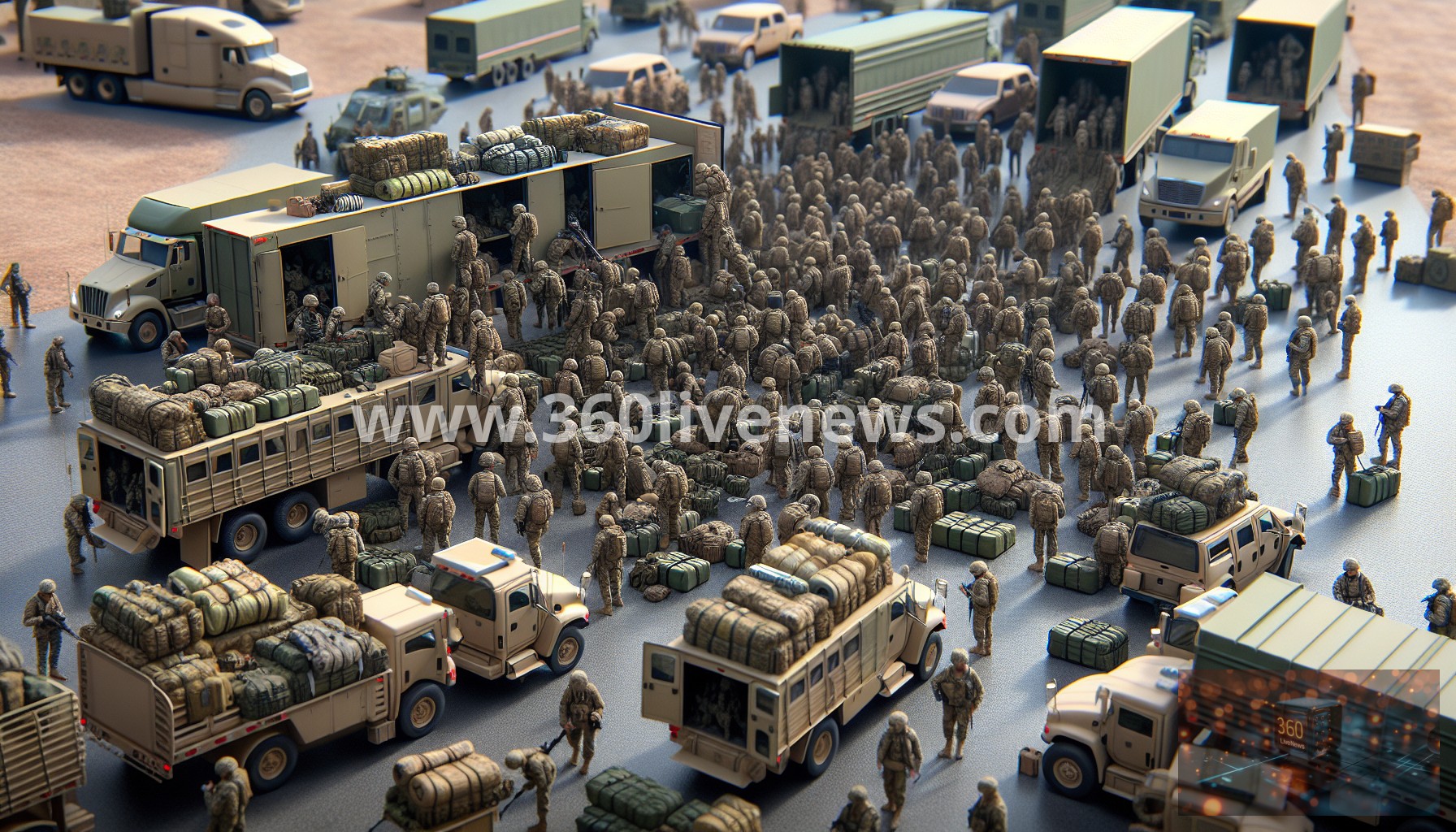
In a significant military escalation, approximately 2,000 troops from the 82nd Airborne Division are being deployed to the Middle East. This move comes amidst ongoing tensions between the United States and Iran, as President Trump seeks to expand military options in the region. The exact locations for the deployment have not yet been disclosed, raising concerns about the potential for increased conflict in an already volatile area.
The deployment aligns with the U.S. administration's strategy to apply pressure on Iran through military readiness. President Trump has signaled a willingness to engage in diplomacy with Iran, but the presence of additional troops may complicate those efforts, as military maneuvers often provoke responses from regional powers. The impending troop movements are also indicative of the heightened alert status for U.S. military forces following incidents that have escalated U.S.-Iran tensions.
In related developments, Senate Republicans have blocked a significant attempt by Senate Democrats to pass a resolution aimed at halting U.S. military involvement in Iran. This marks the third consecutive failure for the Democrats to advance a legislative measure that would require Congressional approval for any offensive military actions against Iran. The political divide in the Senate highlights the contentious nature of U.S. foreign policy regarding Iran, reinforcing the complexities of legislative oversight on military actions.
Historically, the relationship between the United States and Iran has been marked by conflict and distrust. Following the Iranian Revolution in 1979, diplomatic ties were severed, leading to decades of tensions characterized by proxy conflicts, mutual sanctions, and military engagements. In recent years, these tensions have been exacerbated by events such as the U.S. withdrawal from the Joint Comprehensive Plan of Action (JCPOA) in 2018 and subsequent Iranian military provocations.
The deployment of troops and the halted legislative attempts come at a critical time for U.S. foreign policy. The Trump administration's military posture towards Iran represents a broader strategy of deterrence, wherein increased military presence is aimed at preventing further Iranian aggression. Experts have pointed out that while military readiness can act as a deterrent, it can equally lead to miscalculations, heightening the risk of unintended confrontations.
This situation not only poses challenges for U.S. military and diplomatic efforts but also impacts the geopolitical landscape in the region. Countries like Iraq, Saudi Arabia, and Israel are closely monitoring these developments, considering their implications for regional security and power dynamics. Additionally, local populations in areas affected by potential military actions often face exacerbated risks, including displacement and collateral damage as responses to U.S. military movements unfold.
Furthermore, the implications of troop deployments extend beyond immediate military concerns. Economic sanctions, introduced as part of U.S. policy toward Iran, have significantly affected Iranian civilians, leading to wider humanitarian issues. The intersection of military strategy and humanitarian considerations makes the deployment of troops a complex issue, raising debates about the ethics of military intervention without public consensus or authorization.
As the situation evolves, it remains to be seen how the Iran-U.S. dynamics will influence broader international relations and whether diplomatic resolutions may arise alongside military actions. Presently, the tension reflects a precarious balance of power and the ongoing implications of military readiness in foreign policy.
#Iran #military #troops #US #Tensions #Trump #Senate #Diplomacy
