Three additional arrests made in investigation of arson attack at Peacehaven Mosque in East Sussex
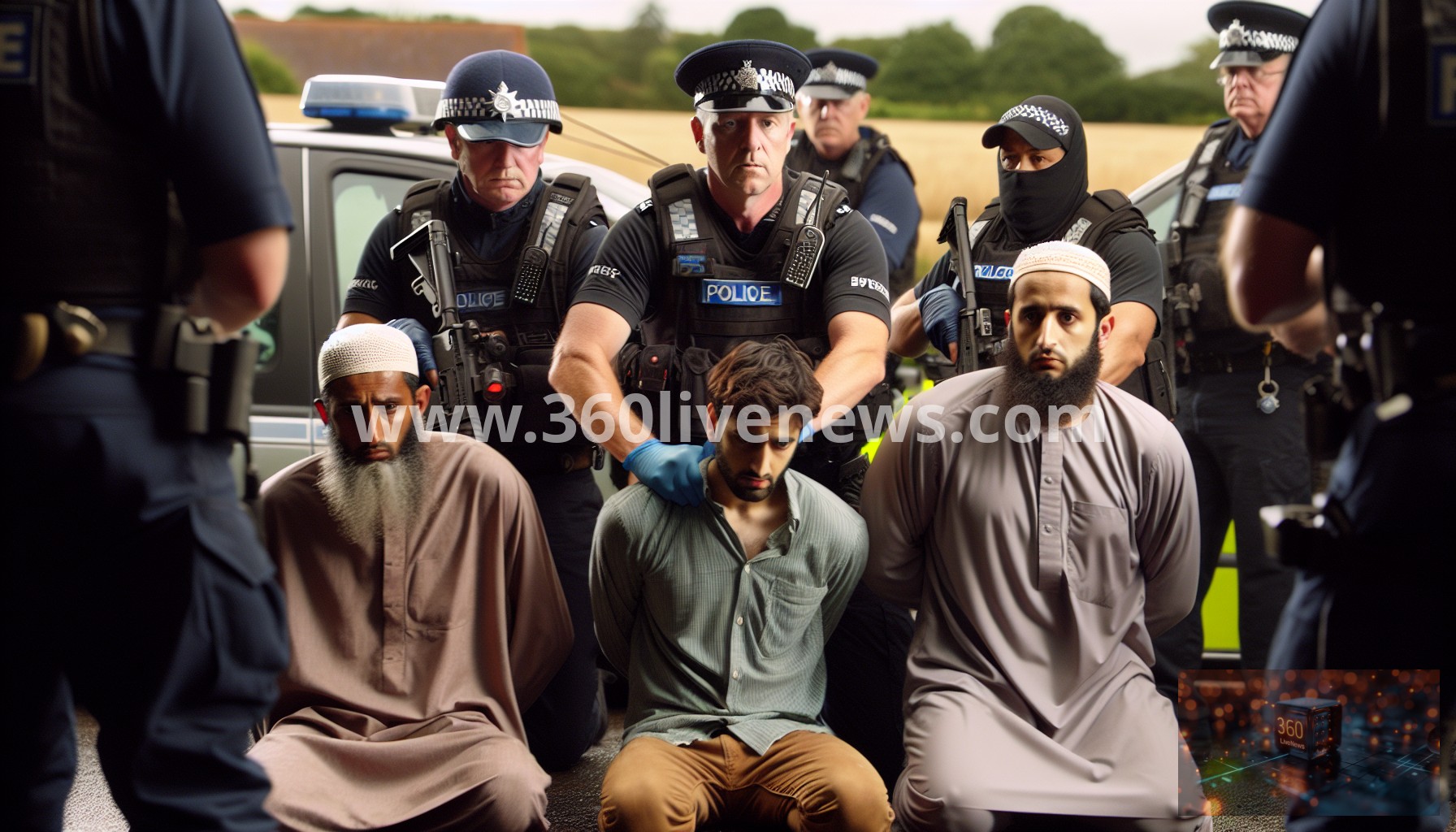
In a significant development regarding the investigation into an arson attack at the Peacehaven Mosque in East Sussex, three additional arrests have been made. A 36-year-old man from Eastbourne was taken into custody on Tuesday on suspicion of conspiracy to commit arson, related to the incident that occurred in October. In addition, a 38-year-old man from Brighton and a 42-year-old man from Saltdean were also arrested the same day, with the former suspected of malicious communications and the latter suspected of encouraging or assisting a crime.
This latest round of arrests is part of an ongoing investigation by counter-terrorism officers, reflecting the serious nature of the incident that saw significant damage to the mosque. Earlier in the case, Sussex Police charged two men, Ricky Ryder, aged 38 from Seaford, and Jack Slowey, 34, from Peacehaven, with arson with intent to endanger life. Their arrests highlight the multifaceted issues surrounding hate crimes and the targeting of places of worship in the UK.
Peacehaven Mosque has been a focal point for the local community, providing not only religious services but also a hub for community cohesion. The arson attack in question raised concerns about the safety and security of minority communities, emphasizing the need for vigilance against hate-driven acts. The mosque and its congregation have since been impacted by the fear and uncertainty stemming from the event, prompting public discourse on community safety and anti-extremism measures.
The decision to categorize this incident under counter-terrorism illustrates the UK's proactive approach to dealing with potential threats posed by hate crimes. This classification is critical in mobilizing resources and spotlighting severe incidents that may otherwise blend into a larger pattern of violence against minority communities. Such legal frameworks have been established to ensure comprehensive responses to violence motivated by prejudice, as seen in previous terrorist investigations.
Historically, the UK has witnessed various incidents targeting mosques and Muslim communities. These attacks not only create immediate danger but also contribute to a pervasive atmosphere of fear and division within society. Police and community leaders have repeatedly called for greater solidarity against hate crimes, underscoring the necessity for collective action to foster understanding and harmony among different groups.
Statements from the Sussex Police highlight their ongoing commitment to addressing these critical issues and ensuring that all community members feel secure in their places of worship. The police have called for any witnesses or individuals with information to come forward, reiterating the importance of community cooperation in such investigations. This cooperation is vital for building a cohesive community that bridges divides and counters extremist narratives.
The arrests have ignited discussions about the broader implications of intolerance in society, prompting government agencies and community organizations to re-evaluate existing strategies for radicalization prevention. Various programs aim to mitigate the conditions that allow such behaviours to flourish, focusing on education, dialogue, and community engagement. This collective effort is essential for dismantling the ideological underpinnings that contribute to such violent acts.
This incident’s unfolding narrative serves as a reminder for local authorities and regional institutions to reinforce their response protocols on hate crimes, promoting comprehensive support systems for impacted communities. The potential legal ramifications for those charged with arson also bring attention to how the judiciary can respond decisively in the face of hate-fueled violence. The legal framework surrounding these acts remains crucial in sending messages of deterrence to potential offenders.
As the investigation continues to gather momentum, the community remains on alert, reflecting on the intersection of safety, identity, and freedom of expression in contemporary society. The Peacehaven Mosque stands not only as a site of faith but as a symbol of resilience against intolerance. The unfolding events highlight the importance of community solidarity, united against hate, and the pursuit of justice for victims of such violent acts.
#EastSussex #PeacehavenMosque #HateCrimes #CounterTerrorism #England Islamophobia">#Islamophobia #Police #CommunitySafety
