UK government to invest £100 million to reopen Ensus CO2 plant in Teesside amid supply concerns from Iran conflict
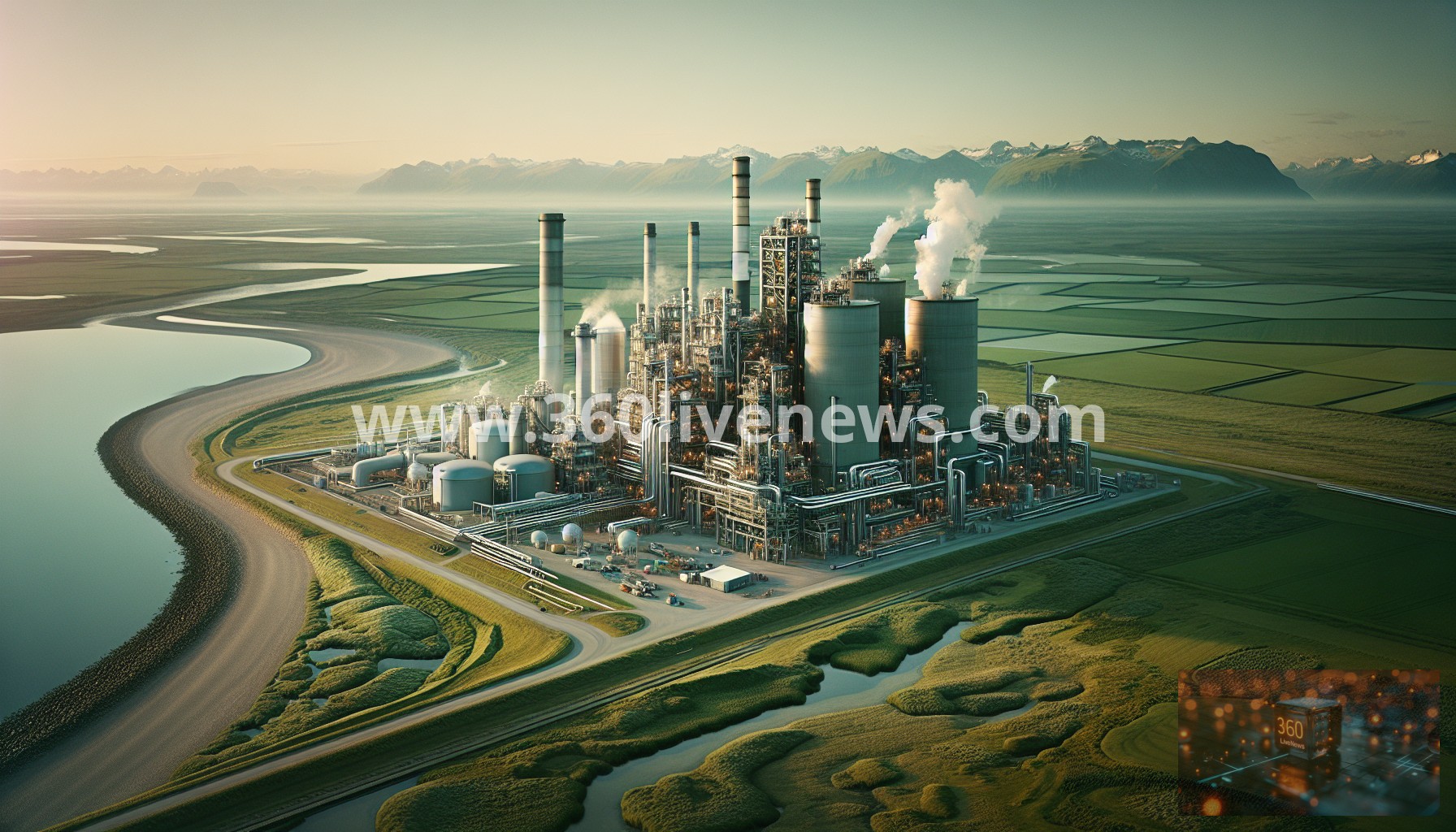
In a significant move, the UK government is set to invest £100 million to reopen a carbon dioxide (CO2) plant in Teesside, operated by Ensus, as part of a contingency plan aimed at addressing potential supply disruptions caused by the ongoing conflict in Iran. The reopening is expected to be announced by the Department for Business, heralding a new phase in the UK’s strategy to secure essential supplies amid geopolitical tensions that are impacting various industries.
The Ensus plant, which had previously been mothballed last year, plays a crucial role in the production of CO2, which is vital for the food and drink sector. The gas is used for several critical purposes, including stunning livestock during slaughter, packaging to ensure food freshness, and carbonation in soft drinks. Concerns have surged over rising energy costs impacting fertilizer companies in Europe, which also produce CO2 as a byproduct. As such, stakeholders have urged the government to act decisively in ensuring a steady supply of this essential gas.
The imminent announcement comes on the heels of previous discussions regarding international trade dynamics. The plant had ceased operations following a trade deal struck between the UK and the United States that eliminated tariffs on US ethanol imports, making American products more economically viable compared to domestic production. This trade shift had significant implications for the UK's bioethanol sector and CO2 supply chain.
As the situation in the Middle East evolves, its ramifications for global supply chains are becoming increasingly apparent. The conflict has had a pronounced impact, resulting in disruptions not only in the energy sector but also in numerous industries reliant on stable markets for essential goods. The UK’s commitment to restart the Teesside plant underscores a broader strategic shift focusing on energy security and self-sufficiency amid soaring costs and instability.
Further, the financial markets are reflecting these tensions. The ASX 200 recently showed slight fluctuations as investors reacted to news regarding potential negotiations for a ceasefire, although Iran's foreign minister indicated that the country would not engage in dialogue with the United States. The ongoing conflict has raised investor concerns, leading to volatility in markets globally.
The Middle East conflict is not only a regional issue but has global repercussions, including on aviation. Reports indicate that air traffic across some of the world’s busiest airspaces has been heavily disrupted due to military actions and heightened tensions. Airports in Dubai, Abu Dhabi, and Doha, crucial transit points for international flights, have seen cancellations and delays that echo the broader systemic shock the industry faces as geopolitical relations sour.
This precarious aviation environment also impacts related policy actions, such as Singapore’s green fuel levy, which has been delayed due to the fallout from the Iran conflict. The Civil Aviation Authority of Singapore (CAAS) announced that a planned tax on air travel would be postponed, citing the conflict's impact on airlines and passenger experience. This reflects a growing understanding among nations that global conflicts can disrupt not just immediate safety and logistics, but also longer-term environmental commitments.
Strategically, the UK's move to reopen the Teesside plant presents a dual opportunity to bolster domestic production and demonstrate resilience against outside pressures. With energy costs spiralling upwards, domestic production could provide a buffer to mitigate these increases, protecting multiple sectors of the UK economy from the full brunt of potential supply shocks. The initiative may find support among various stakeholders, looking for ways to navigate the volatile global marketplace.
As the situation continues to unfold, experts underscore the importance of strategic foresight. The government's decision to act in light of the ongoing conflict illustrates a responsive governance structure focused on mitigating risks in energy and food supply chains. The reopening of the Teesside plant is emblematic of a growing recognition that geopolitical factors have tangible impacts on domestic industry and the economy. With stakeholders from various sectors looking on, this developing story will play a crucial role in shaping the country's immediate future.
#UK #Iran #CO2Plant #Geopolitics #Aviation #Trade #EnergySecurity #GlobalMarkets
