UK government launches inquiry into 1984 Orgreave clash between police and striking miners
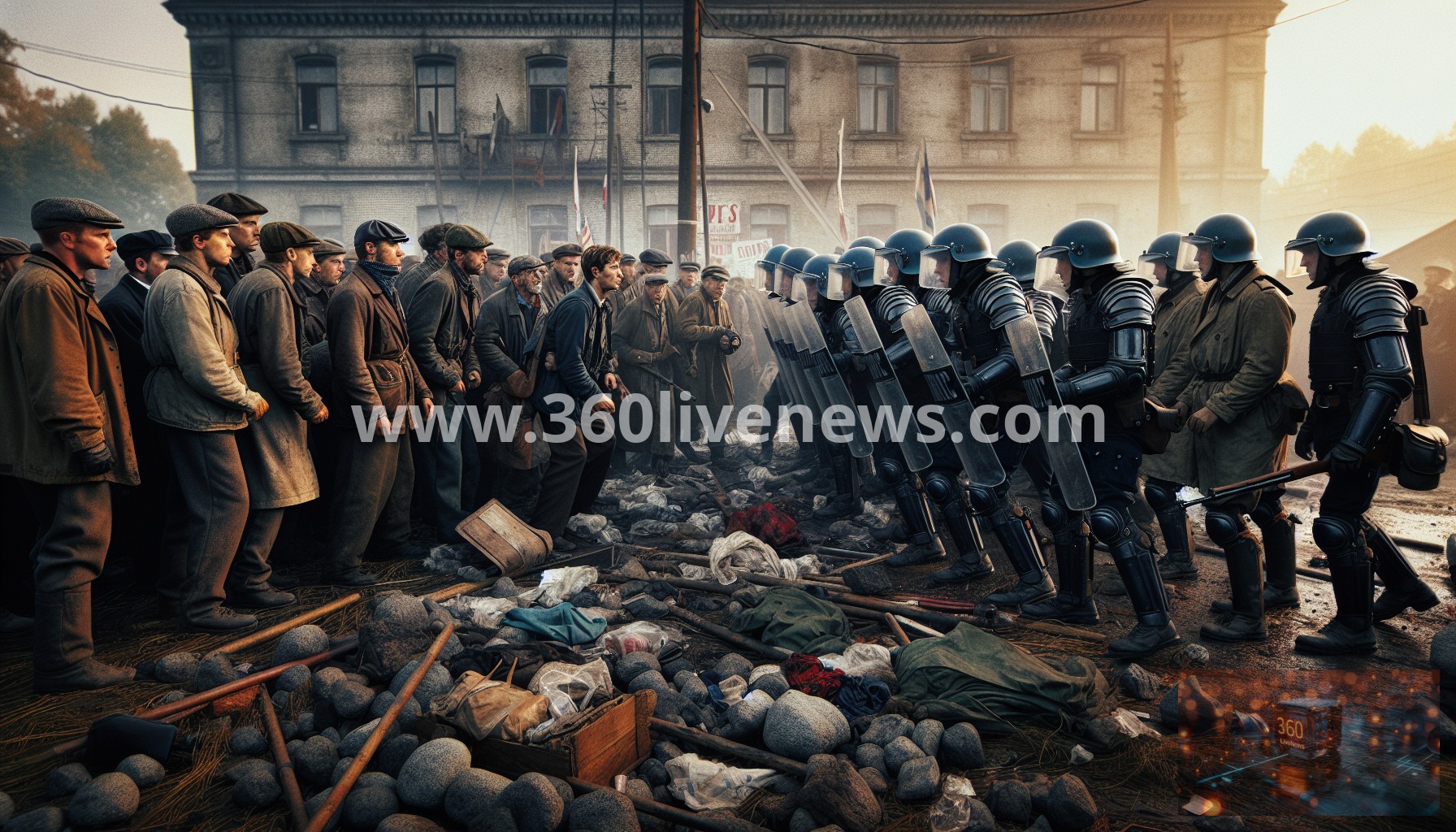
On March 26, the UK government announced a formal inquiry into the violent clash that took place on June 18, 1984, at the Orgreave Coking Plant. This incident involved a confrontation between police forces and striking miners, resulting in 95 arrests and numerous injuries. The clashes were significant during the broader context of the UK miners’ strike, which marked a critical period in industrial relations in the UK. Following the events at Orgreave, many individuals arrested faced serious charges, including riot and unlawful assembly, although all were later dismissed due to the questionable reliability of police evidence.
The inquiry, which will be chaired by Rt Revd Dr Pete Wilcox, the Bishop of Sheffield, aims to deliver long-awaited answers for miners and their families regarding the police's actions during the strike. Dr Wilcox has engaged with campaigners, policing bodies, and local officials to establish terms of reference for the inquiry, which will focus on uncovering historical documents and promoting transparency in the investigation.
This investigation is particularly significant for the community of former miners and their families, who have long sought justice and accountability regarding the conduct of police during strikes. The events at Orgreave are emblematic of the societal divisions experienced during the economic and social upheaval of the miners' strike, which raised serious questions about police misconduct and the relationship between law enforcement and communities in the UK. The inquiry hopes to provide clarity on these issues, which continue to resonate within public discourse.
By utilizing statutory powers, the inquiry intends to access pertinent evidence, which is essential in delivering closure to affected families and restoring trust in public institutions. The implications of the findings could influence how future public protests are policed, an aspect that remains a pressing concern in contemporary UK law enforcement practices. As the inquiry unfolds, it may also shed light on wider patterns of policing that have emerged in relation to labor disputes and public demonstrations.
The events in 1984 at Orgreave not only reflect the tumultuous nature of the miners' strike but also the socio-political landscape of the UK at the time. The strike aimed to confront various economic policies that affected mining communities, and it culminated in significant national and local conflict. The inquiry, therefore, is not just about uncovering the past; it also serves as a lens through which to view ongoing dialogues about workers' rights, police accountability, and the handling of public dissent in the UK.
This inquiry comes amidst a backdrop of increasing scrutiny over police conduct in various protest actions, as well as an ongoing societal reevaluation of policing practices. The current UK government’s commitment to conduct this inquiry reflects an understanding of the need for accountability and the importance of addressing historical grievances that continue to affect community relations today.
While the inquiry focuses on the historical aspects of Orgreave, it fosters a broader conversation on how labor disputes are managed in today's context. The relationship between law enforcement, government institutions, and the communities they serve is crucial for fostering trust and ensuring social stability. As the inquiry progresses, insights gained may not only help mend the fractures left from the miners’ strike but also shape future policing and public employment policies.
Therefore, the launch of this inquiry is an essential step towards reconciling community relations and establishing a more transparent framework for future engagements between police and citizens. As the inquiry develops, the public will be keenly interested in its outcomes and the implications it holds for both historical and contemporary issues related to law enforcement and social justice.
#OrgreaveStrike #minersstrike1984 #policeinquiry #PeteWilcox #laborrelations #policeconduct #UKgovernment #industrialrelations
