Mexican Navy launches search for two missing boats carrying humanitarian aid to Cuba with nine crew members on board
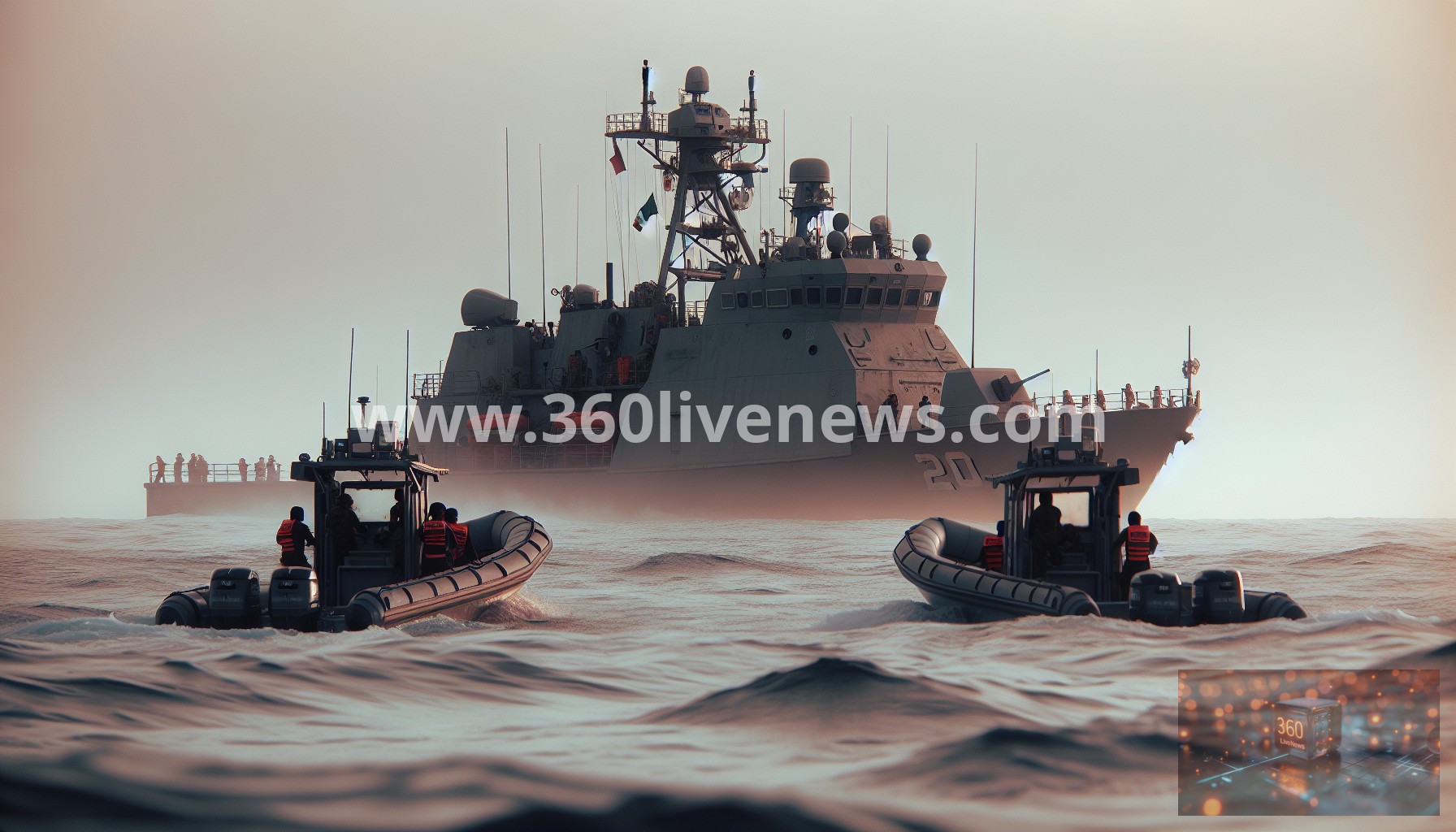
The Mexican Navy has initiated a search-and-rescue operation after two boats carrying humanitarian aid to Cuba went missing. The boats departed from Isla Mujeres in Quintana Roo, Mexico, carrying nine crew members of different nationalities. They lost contact upon departing and failed to arrive in Havana on the expected dates of 24-25 March.
According to a statement issued by the Mexican Navy, there has been no communication from the vessels since they left Isla Mujeres, raising concerns for the safety of the crew. The navy has mobilized search teams and alerted regional naval commanders and search-and-rescue stations across the area. The coordinated effort emphasizes Mexico's commitment to aiding Cuba amidst its ongoing humanitarian challenges.
The two missing boats are part of a broader grassroots initiative aimed at delivering critical supplies to Cuba, which has been grappling with a severe energy crisis and protracted economic difficulties. As a result of the U.S. embargo on oil and other goods, the island nation has faced significant complications in maintaining essential services, leading to widespread power outages and a humanitarian crisis.
Activists from various countries have joined forces to aid Cuba, with multiple vessels departed from Mexican ports loaded with food and medical supplies. Despite the missing vessels, reports indicate that at least one other aid boat successfully reached Havana earlier this week, indicating a complex and ongoing effort to provide assistance to the island.
As part of this search-and-rescue operation, the Mexican Navy has taken proactive measures to coordinate with other authorities in the Caribbean, showcasing the urgency of the situation and the commitment of the Mexican government to ensuring the safety of lives at sea. The navy's efforts underscore the increasing need for humanitarian support to Cuba amid the relentless pressure from the U.S. trade restrictions.
Historical context indicates that Cuba's economic stability has been increasingly jeopardized by external pressures, particularly the long-standing U.S. embargo, which has limited the availability of essential goods and services. The recent tightening of these restrictions has further exacerbated existing economic challenges, prompting international aid organizations and grassroots movements to mobilize resources to support the Cuban population.
Cubans are currently facing a myriad of issues, from shortages of food and medicine to challenges in accessing adequate energy supplies. The grassroots aid initiatives reflect a solidarity among activists and humanitarian workers who are increasingly recognizing the dire circumstances facing the Cuban people as a result of these punitive economic policies.
The international community has been closely monitoring the humanitarian situation in Cuba, as well as the implications of continued U.S. sanctions. The actions of the Mexican Navy and the grassroots efforts to provide aid reflect both a regional commitment to humanitarian assistance and a broader acknowledgment of the need for a reevaluation of how international policies affect vulnerable populations.
This search for the missing boats underscores the complexities of providing humanitarian aid within the geographical and political landscape of the Caribbean. It also highlights the essential need for collaborative efforts between governments and non-governmental organizations to effectively address humanitarian crises, especially in regions beset by economic challenges and political volatility.
As the search operation continues, further developments regarding the fate of the missing boats and their crew members will be closely monitored. These unfolding events serve as a reminder of the ongoing humanitarian needs facing Cuba and the collective responsibility of nations to support those in distress.
#Cuba #Mexico #HumanitarianAid #Maritime #SearchAndRescue #HumanitarianCrisis #USEmbargo #QuintanaRoo
