Australia and Sri Lanka face fuel supply disruptions amid escalating conflict in Iran, prompting government reassurances on fuel security
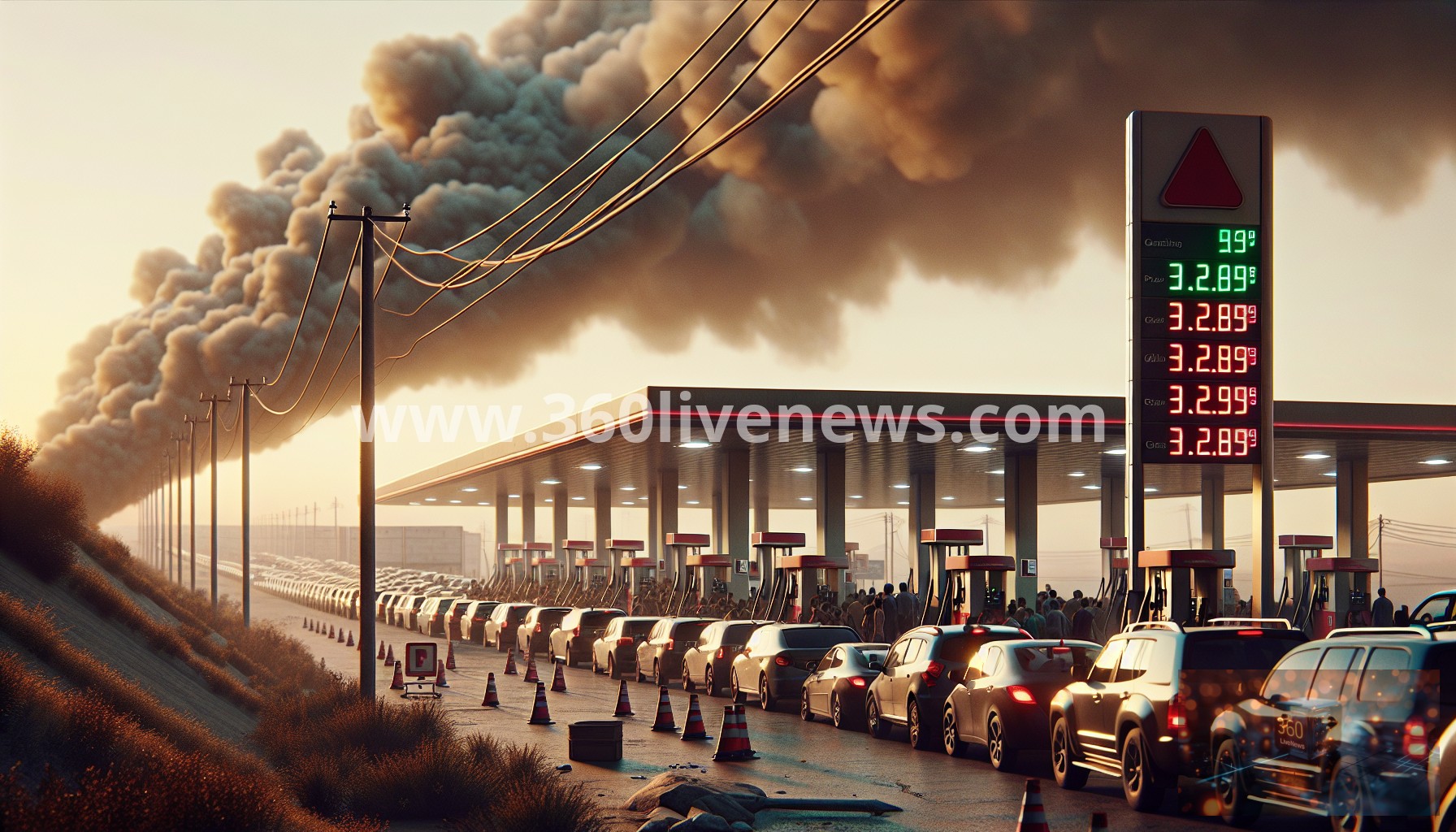
As the war on Iran escalates, fuel supply chains across the world are experiencing significant disruptions, particularly in Australia and Sri Lanka. Prime Minister Anthony Albanese has issued a statement to reassure the Australian public regarding the security of the nation's fuel supply, juxtaposed against mounting reports of panic buying and depleting petrol stations. Albanese emphasized the government's commitment to shielding Australians from the crisis, which has been exacerbated since the onset of hostilities on February 28. While government officials assert that supply levels remain consistent with pre-war conditions, the reality on the ground tells a different story.
In Australia, the rising cost of fuel has raised alarm bells among consumers and businesses alike. As reports indicated that some motorists and truck drivers found themselves stranded due to shortages, the government attributed the crisis to demand and distribution issues rather than a lack of supply. Energy Minister Chris Bowen echoed Albanese's sentiments, assuring citizens that Australian fuel supplies of petrol, diesel, and oil will either maintain or exceed typical levels for the coming weeks. Despite this assurance, the pressure on fuel stocks continues, with crisis management strategies urgently needed to avert escalating panic.
Meanwhile, in Sri Lanka, the situation is markedly dire as the war on Iran has reignited memories of the economic crisis that plagued the nation in 2022. Sri Lankans are grappling with a fuel shortage that mirrors previous hardships, as demonstrated by Kandy resident Keerthi Rathna, who now faces strict fuel rations of 20 litres per week,a stark contrast to the pre-war norm. This shortage stems from Iran's decision to halt traffic via the Strait of Hormuz, a vital shipping route accounting for 20% of the world's oil and gas transit. The measures taken by the Sri Lankan government reflect a QR-based fuel rationing system similar to prior economic crises, underscoring the urgent need for strategic reforms in energy management.
According to Minister for Energy Chris Bowen, the Australian government is doing its utmost to prepare for and mitigate the impact of the ongoing conflict on fuel prices and availability. However, misalignment between government assurances and public sentiment continues to fuel anxiety among consumers. Various petrol stations have reported running dry, a situation that raises questions about the efficacy of current distribution frameworks and supply chain resilience. Reports from Australia’s Department of Energy emphasize that while ordinary practices show no disruption in fuel supplies, the average Australians' experiences on the ground tell a contrasting story.
Adding to the urgency of the situation, Sri Lanka's energy import reliance is highlighted by the statistic that approximately 60% of the country's energy needs are imported, predominantly through maritime routes like the Strait of Hormuz. This dependency amplifies the impact of regional geopolitical conflicts on the island nation, which lacks storage capacity beyond one month's consumption. The closure of critical maritime avenues as a result of regional hostilities poses a significant risk to the nation's energy security, raising concerns in the international community.
Officials from both nations have been urged to consider alternative routes and reserves, especially as tensions persist. The rising fuel prices are not merely a concern for individual consumers; they threaten the broader economic viability of businesses, which have started experiencing increased operational costs. In Australia, small businesses have expressed fear over the prospect of prolonged shortages due to panic buying, with many already facing untenable circumstances exacerbated by inflation and supply disruptions.
In a broader context, the geopolitical stakes are high not only for Australia and Sri Lanka but also for other nations reliant on oil imports from the region. The conflict has prompted multilateral discussions on energy security and supply chain integrity, especially among nations like the United Kingdom and the United States that also have economic ties to both Iran and the oil markets affected by the crisis.
The conflict's repercussions underline the interconnectedness of global energy markets and the swift shifts required in national energy policies. Experts stress the necessity for a more multi-faceted approach to energy sustainability that goes beyond mere reliance on traditional oil sources, especially in light of the urgent framework set by ongoing conflicts. It requires robust bilateral and multilateral partnerships focused on developing renewable energy sources and roadmaps for energy independence.
As the war on Iran continues to rattle global markets, the ongoing fuel supply crisis becomes increasingly symbolic of larger systemic vulnerabilities in energy security. The immediate questioning of governmental measures regarding fuel management and resource allocation indicates a pressing need for coherent policy frameworks that can withstand such global shocks. The lessons learned from these circumstances may reshape energy discourse long after the war's conclusion.
#Iran #Australia #SriLanka #FuelShortage #EnergySecurity #Geopolitics #FuelPrices #CrisisManagement
