IAEA Calls for Restraint Amid Military Strikes Near Iran's Bushehr Nuclear Power Station
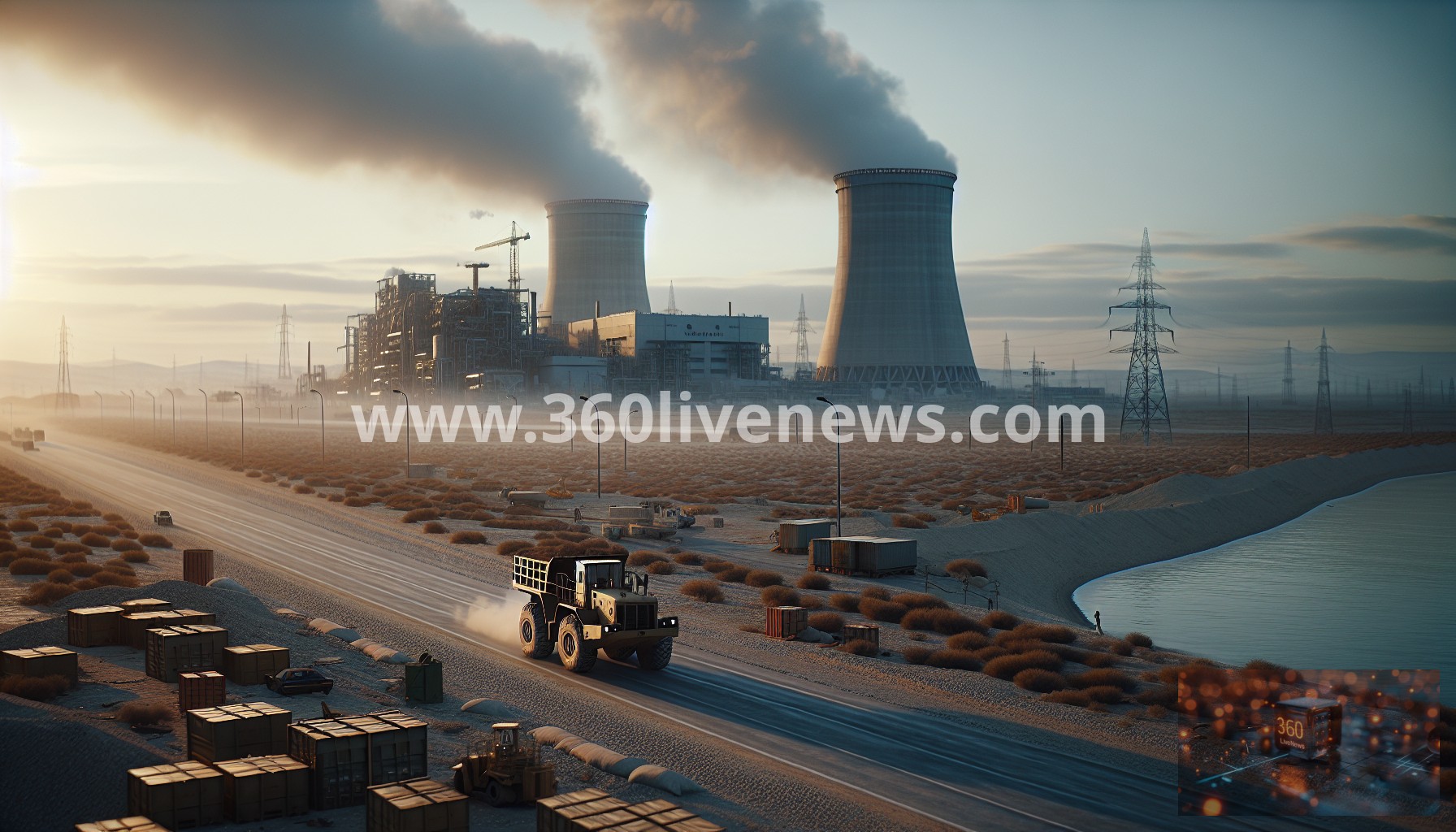
The International Atomic Energy Agency (IAEA) has urged all parties to exercise maximum restraint following alarming reports of military strikes near Iran's Bushehr nuclear power station. This facility, which contains substantial amounts of nuclear material, poses significant risks; any damage could trigger severe radiological contamination, with ramifications for extensive areas in Iran and beyond. The IAEA's Director General, Rafael Grossi, expressed profound concern over the potential consequences of military actions in such proximity to the functional nuclear site.
According to Grossi, the dangers posed by military operations near the Bushehr plant are both serious and far-reaching. The IAEA's authoritative statement reflects concerns that a catastrophic incident could emerge from continued hostilities, stressing the urgent need for all involved parties to adhere strictly to nuclear safety protocols. This warning serves as a critical reminder about the precarious state of Iran's nuclear infrastructure amid escalating regional tensions.
This situation follows heightened military activity in the region, raising fears of a possible large-scale radiological disaster. The potential for an event that could endanger millions highlights the need for immediate international attention to maintain stability around Iran's nuclear facilities. The IAEA's advocacy for compliance with nuclear safety norms illustrates the organization's pivotal role in mitigating risks to public safety and environment in times of increased military conflict.
The ongoing conflict in Iran’s vicinity is not an isolated incident; it is part of a broader, historically complex geopolitical landscape. In previous phases of the conflict, military strikes and regional tensions have frequently escalated. The Bushehr power plant, vital for Iran's energy needs, has always been a focal point in discussions surrounding nuclear power and international safety standards. The IAEA has consistently advocated for the strict adherence to safety standards, especially in regions susceptible to military engagement.
In related developments, the broader conflict in the Persian Gulf has already resulted in significant disruptions to global commodity flows. The IAEA's warnings coincide with the UN Food and Agriculture Organization (FAO) reporting a drastic drop in tanker traffic through the crucial Strait of Hormuz, which typically accounts for a substantial portion of the world’s crude oil and liquefied natural gas shipments. Approximately 35% of global crude oil flows through this waterway, and a decline by over 90% illustrates the severe ramifications of geopolitical tensions in the region.
The UN FAO's Chief Economist, Máximo Torero, emphasized that such disruptions not only jeopardize energy supplies but also threaten global food security. The fertilizer shortages resulting from weakened agricultural production directly impact many farmers and millions of migrant workers reliant on a stable agricultural economy. As tensions persist, the potential for prices to spike along with shortages in food and energy further threaten not only national but also global stability around food supplies.
As military actions near the Bushehr plant continue, concerns are mounting over the combination of disruptions to essential supplies and the risks of an environmental catastrophe. The potential long-term consequences hinge significantly on prompt diplomatic resolutions. High-ranking officials and key organizations are calling for peace and stability as each passing day increases the urgency of the situation.
The IAEA’s assessment underscores critical concerns that must not only be contained within diplomatic dialogues but should also prompt international action focused on de-escalation. The ongoing military engagement could set a precedent of intensified conflict, thereby worsening the humanitarian impacts already observed. The ripple effects of this situation could be felt internationally, especially in sectors reliant on stable energy resources and agricultural products, further straining economies in a multitude of regions.
This ongoing crisis encapsulates the intricate interdependencies of energy security, agricultural sustainability, and nuclear safety. With global supply chains already affected, any escalation in military activities around the Bushehr nuclear facility highlights the precarious balance of peace and safety in the region. The necessity for diplomatic engagement and adherence to international norms in both military and nuclear contexts remains ever-urgent as the international community watches closely.
#Iran #IAEA #BushehrNuclearPlant #RafaelGrossi #NuclearSafety #PersianGulf #GlobalSecurity #FoodSecurity
